AI-powered pest management — smarter detection, precision treatment, zero guesswork.
Most treatments include a 6-month warranty, while General Pest Control includes a 12-month warranty. If the same pest returns during the warranty period, we'll return and treat it again at no additional treatment charge, subject to our warranty terms.
Intelligence Grid
Service Catalog
Each biological anomaly requires a calibrated response. Our protocols are designed for maximum efficacy with minimum ecological disruption.
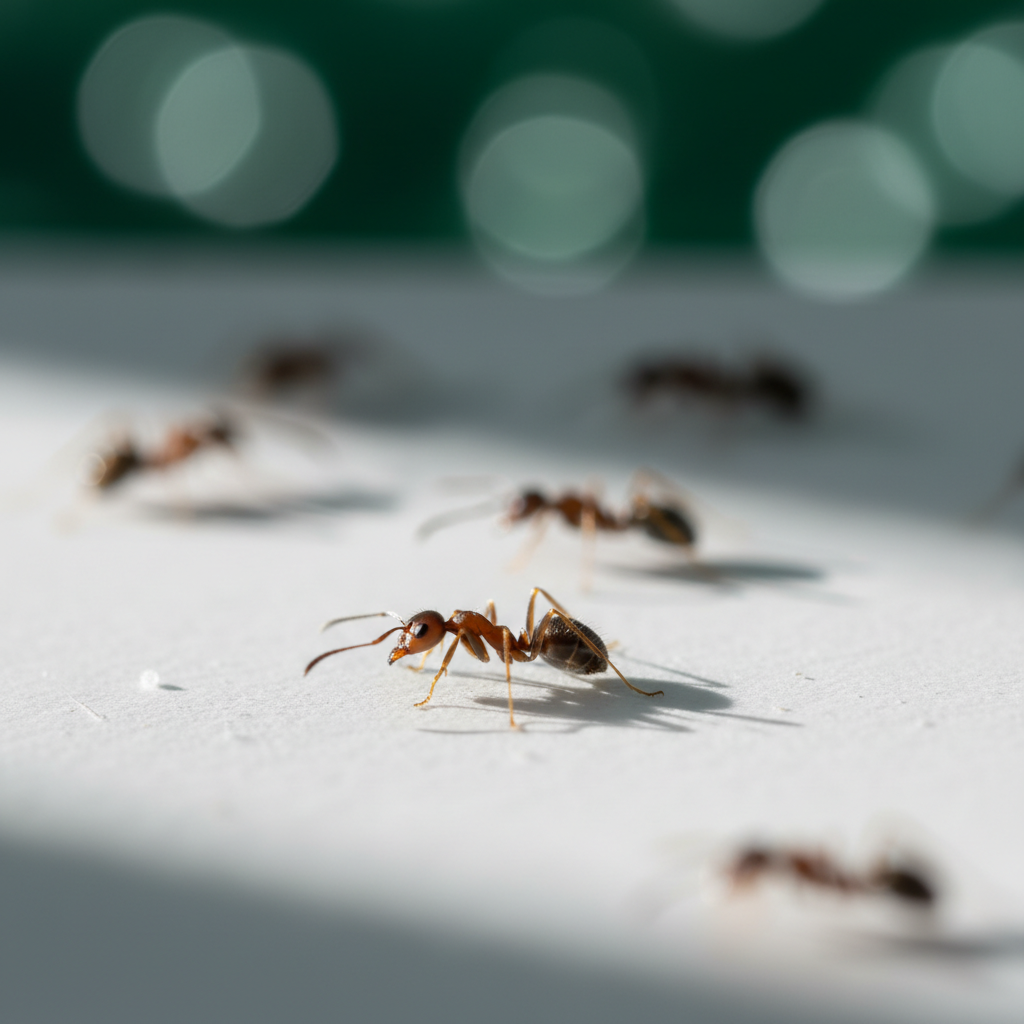
Ants
Ants are highly social eusocial insects forming structured colonies with a queen, workers, and soldiers. In Western Cape, common species include Argentine ants (Linepithema humile), fire ants, and carpenter ants. Argentine ants are an invasive species that forms supercolonies, displacing native ant populations and disrupting local ecosystems.
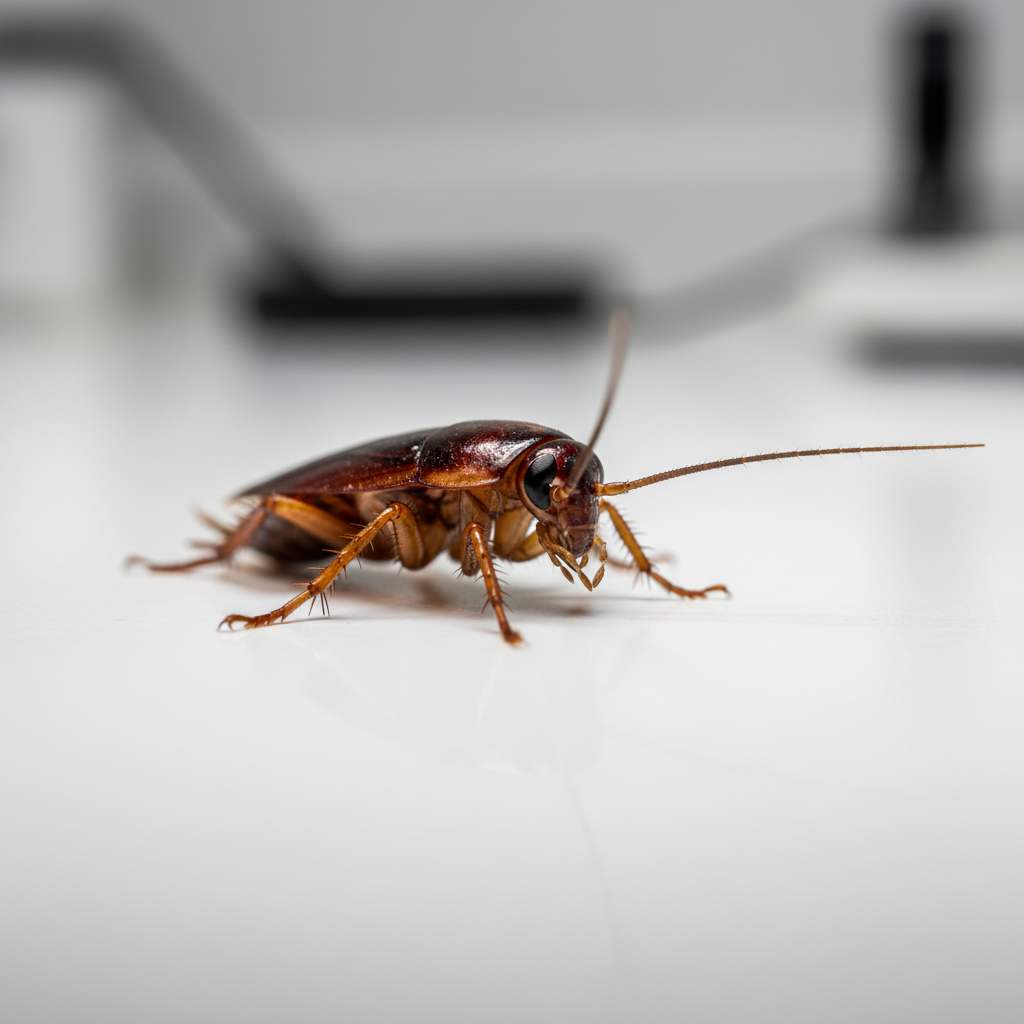
American Cockroaches
Despite their name, American cockroaches originated in Africa and were transported globally via trade routes. In the Western Cape, they thrive in warm, moist environments — sewers, subfloors, and commercial kitchens. At 35–40mm, they are the largest common pest cockroach and can fly when temperatures exceed 29°C.
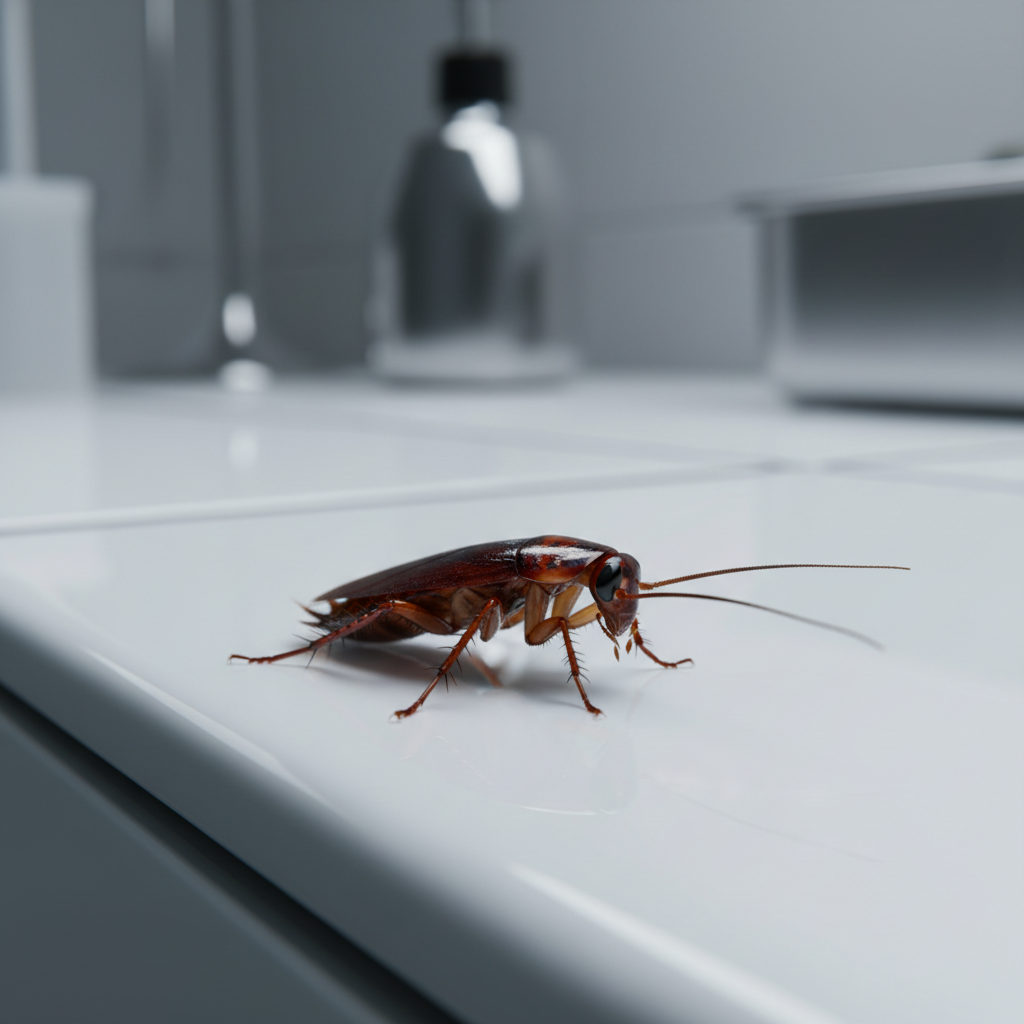
German Cockroaches
German cockroaches are considered the most problematic pest species globally. A single female and her offspring can produce over 30,000 cockroaches in one year. Native to Southeast Asia, they are now ubiquitous in the Western Cape in food establishments, residential kitchens, and healthcare facilities. They have developed significant resistance to many conventional pesticides.
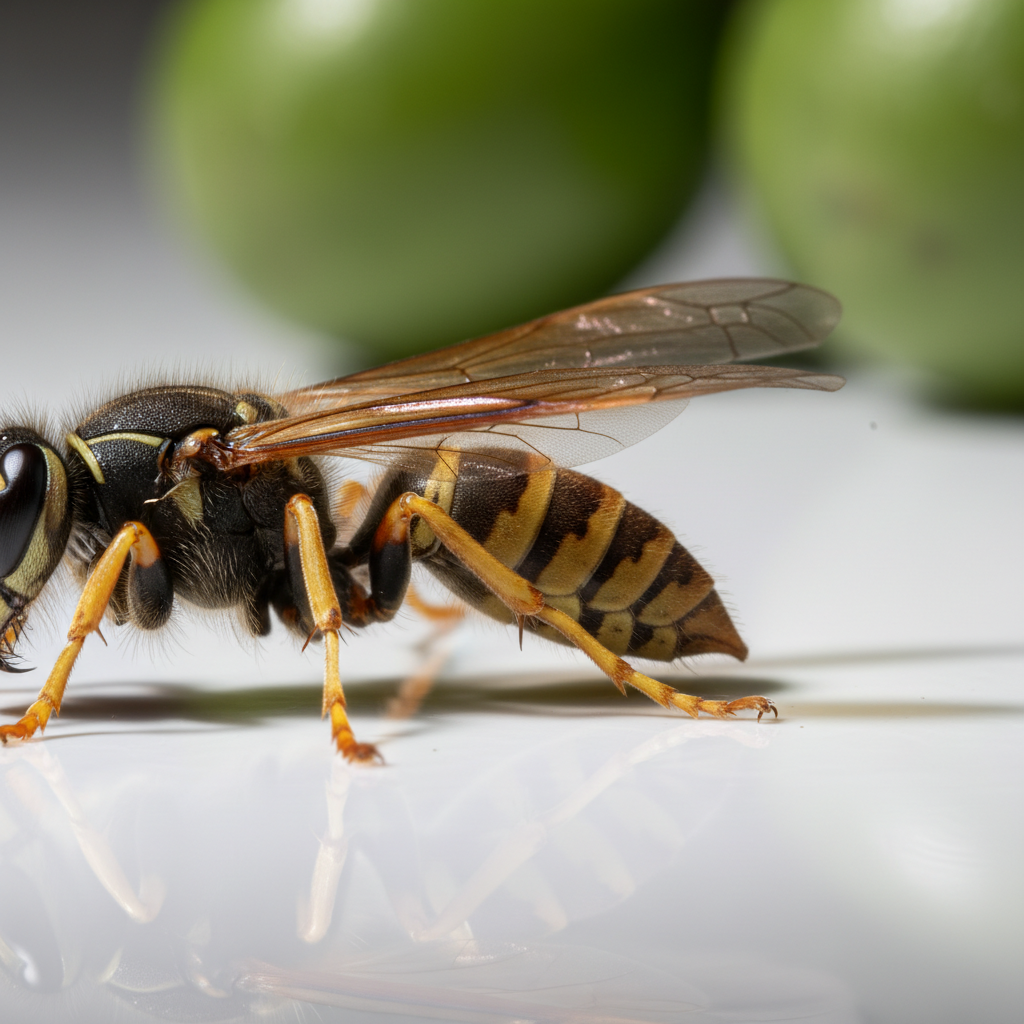
Wasps
In the Western Cape, the most common species are the European paper wasp (Polistes dominula) and the common wasp (Vespula vulgaris). Paper wasps construct open-celled nests under eaves, in loft spaces and garden structures. Unlike bees, wasps can sting repeatedly and release alarm pheromones that trigger coordinated colony attacks when threatened.
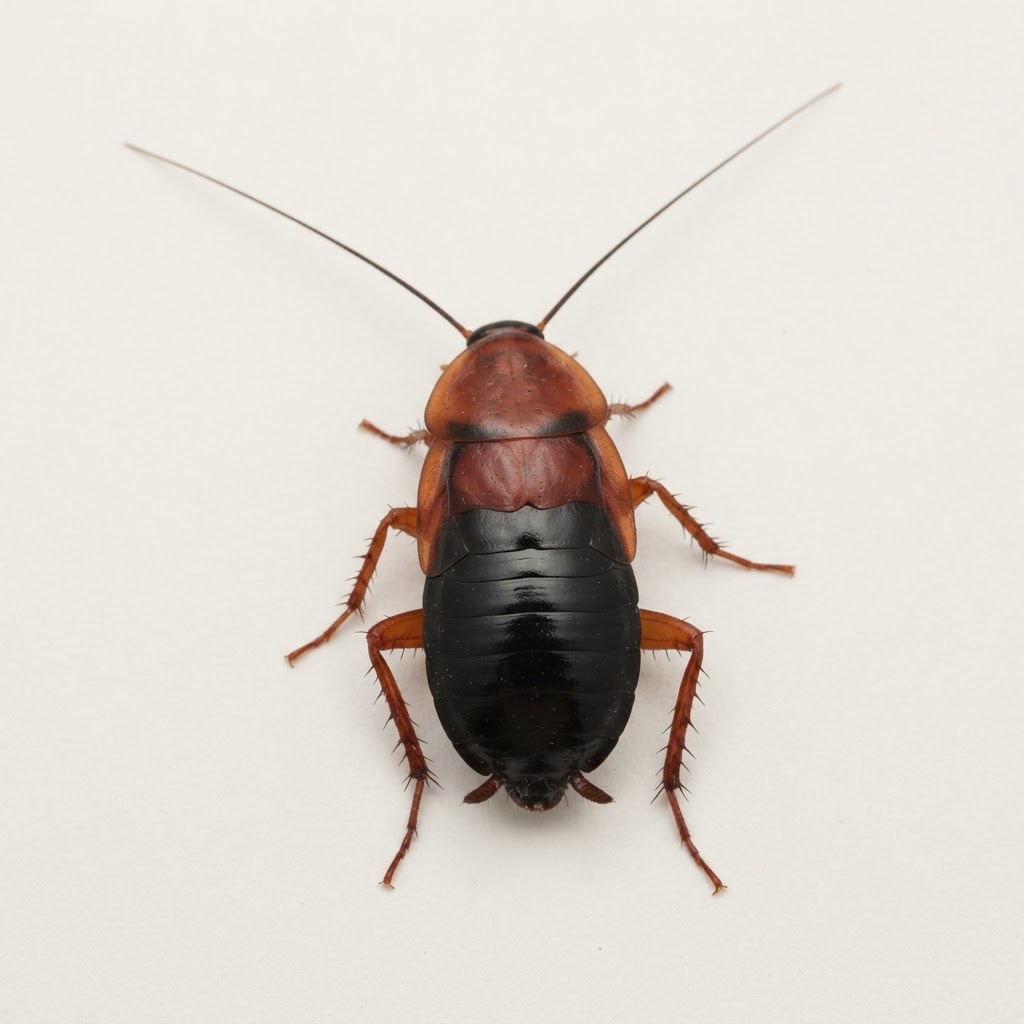
Red-headed Cockroaches
Red-headed cockroaches (Deropeltis erythrocephala), also known as bush cockroaches, are large, distinctive cockroaches native to South Africa. Males reach up to 60mm and females up to 50mm. They are easily recognised by their glossy black bodies and reddish-brown head and legs. Unlike household pest cockroaches, they are primarily outdoor insects attracted to lights at night and are considered harmless to humans.
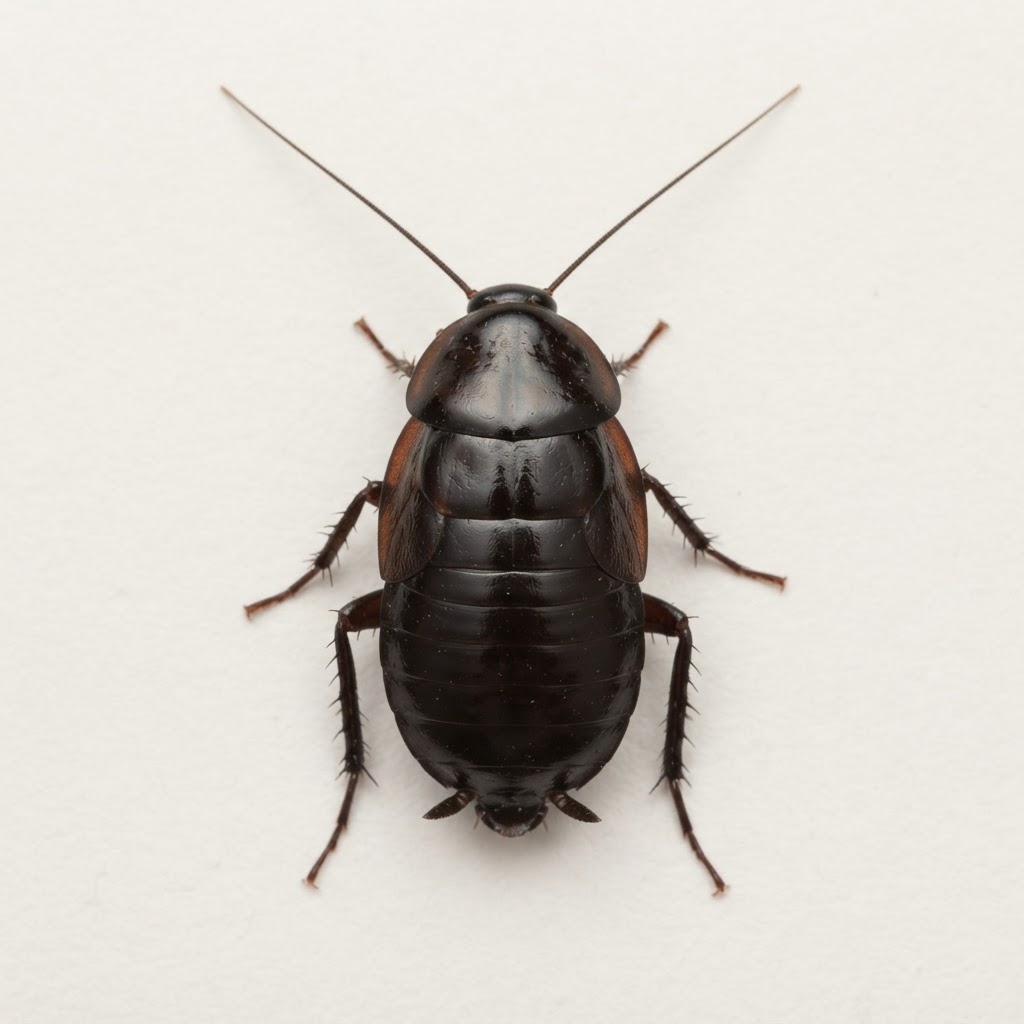
Oriental Cockroaches
Oriental cockroaches (Blatta orientalis), known colloquially as "water bugs" or "black beetles," prefer cool, moist environments. In the Western Cape, they are most active in winter months, commonly found in basements, under sinks, in drains, and among leaf litter. They are considered highly unsanitary as they feed on decaying organic matter and sewage.
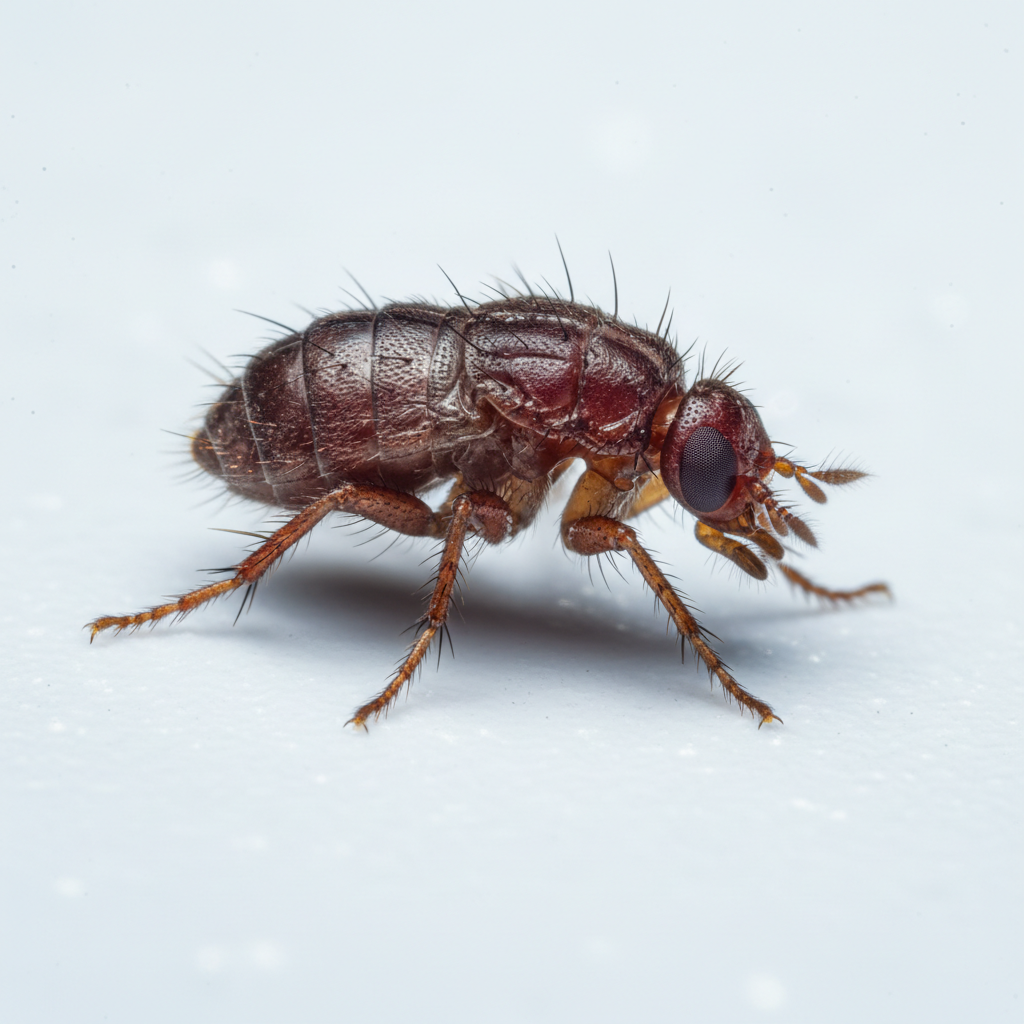
Fleas & Bed Bugs
Fleas (Ctenocephalides felis) and bed bugs (Cimex lectularius) are blood-feeding ectoparasites that represent two of the most distressing domestic infestations. Fleas are vectors for tapeworm and historically transmitted plague; a single female lays up to 50 eggs per day and the lifecycle persists in carpets for up to a year. Bed bugs are wingless, nocturnal insects that feed exclusively on human blood, hiding in mattress seams, bed frames and wall voids during daylight hours. Both species require a comprehensive, multi-stage treatment approach for eradication.
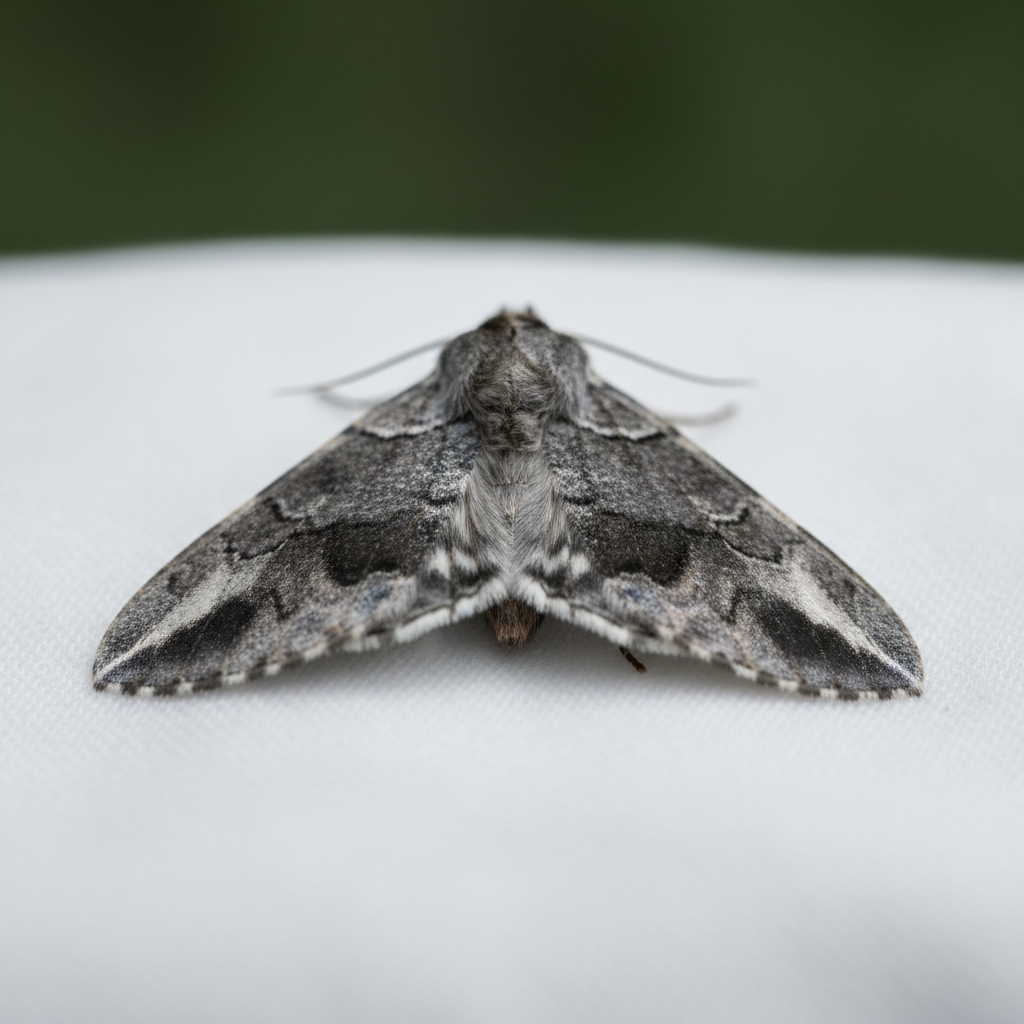
All Moths
In the Western Cape, two primary moth species cause domestic damage: the common clothes moth (Tineola bisselliella) and the Indian meal moth / pantry moth (Plodia interpunctella). Clothes moths target keratin-rich natural fibres — wool, silk, cashmere and feathers. Pantry moths infest dry goods including grains, cereals, spices and dried fruit.
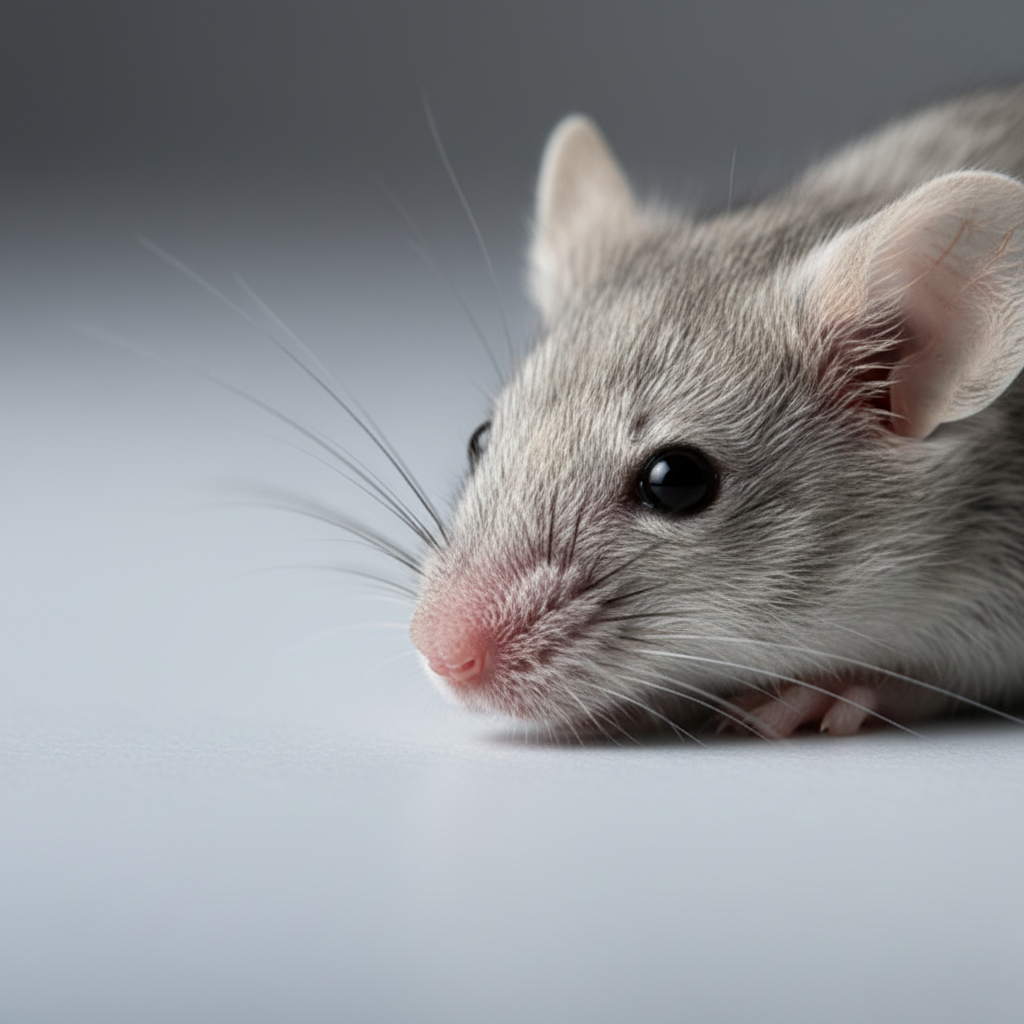
Rodents
The Western Cape hosts three primary pest rodent species: the Norway rat (Rattus norvegicus), the roof rat (Rattus rattus), and the house mouse (Mus musculus). Each species occupies different ecological niches — Norway rats burrow, roof rats colonise elevated spaces, and house mice exploit any available void. All three pose significant health risks, responsible for the transmission of Leptospirosis, Hantavirus, and Salmonella.
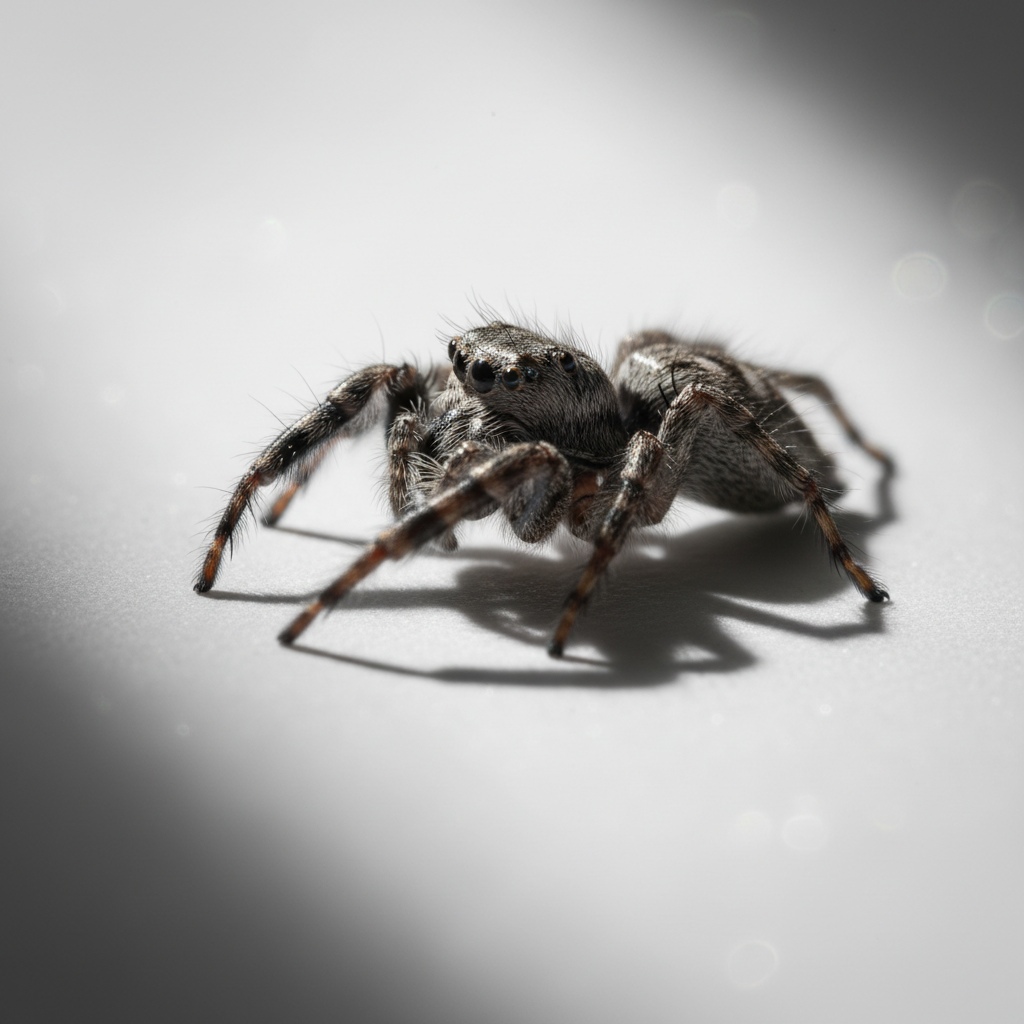
Spiders
The Western Cape is home to several medically significant spider species. The brown button spider (Latrodectus geometricus) and the black button spider (Latrodectus indistinctus) are neurotoxic and considered medically important. The sac spider (Cheiracanthium species) is responsible for the majority of spider bites in South Africa. The baboon spider (Harpactirinae) is large but generally non-lethal.
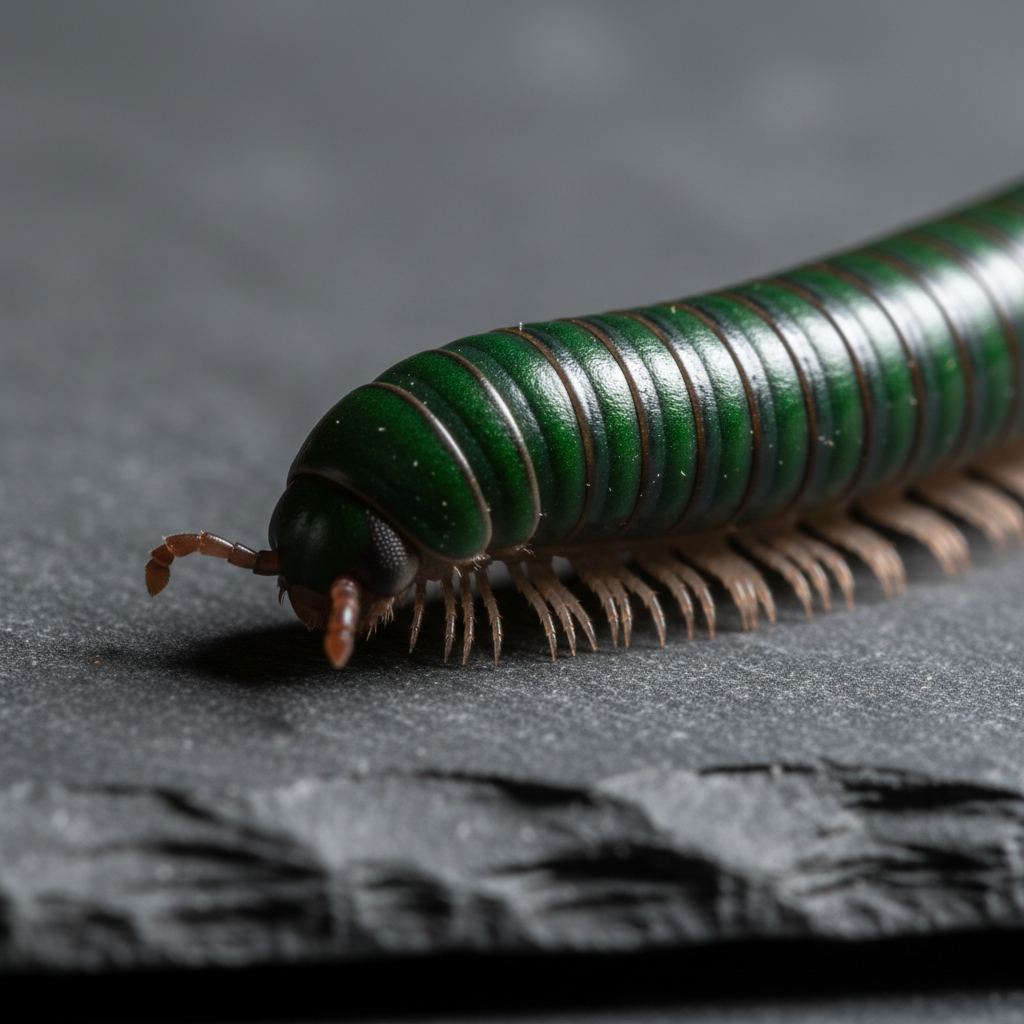
Millipedes & Centipedes
Millipedes and centipedes are myriapods that play important ecological roles but become significant nuisance pests in the Western Cape — particularly during autumn migrations and rainfall events. The Portuguese millipede (Ommatoiulus moreletii) is an introduced species in the Cape that invades homes in massive numbers. Centipedes, while predatory and beneficial, can deliver painful bites and are distressing in domestic settings.
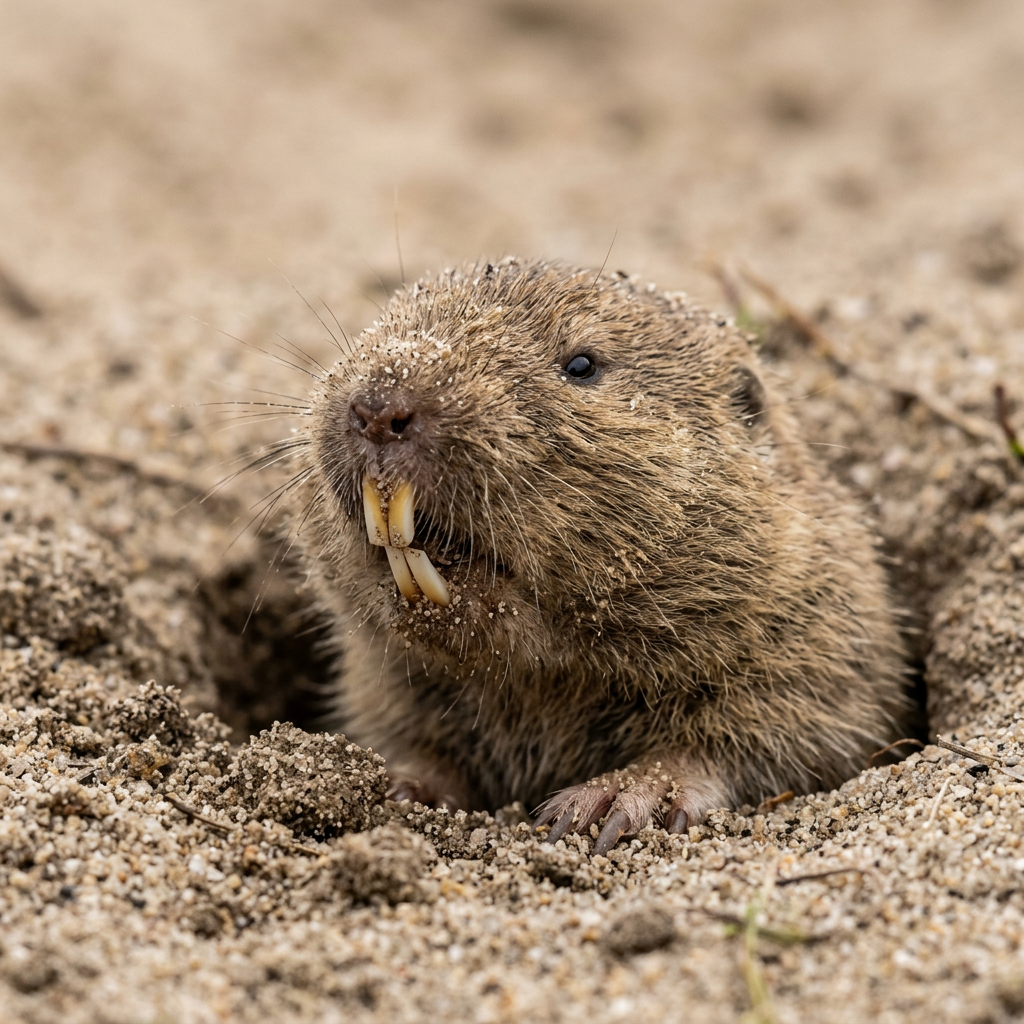
Dune Moles
The Cape dune mole-rat (Bathyergus suillus) is the largest member of the African mole-rat family and is endemic to the Western Cape coastal regions. Unlike pest rodents, dune moles are subterranean herbivores that cause significant damage to gardens, lawns, sports fields and agricultural land through their extensive tunnelling systems and feeding on root systems, bulbs and tubers.
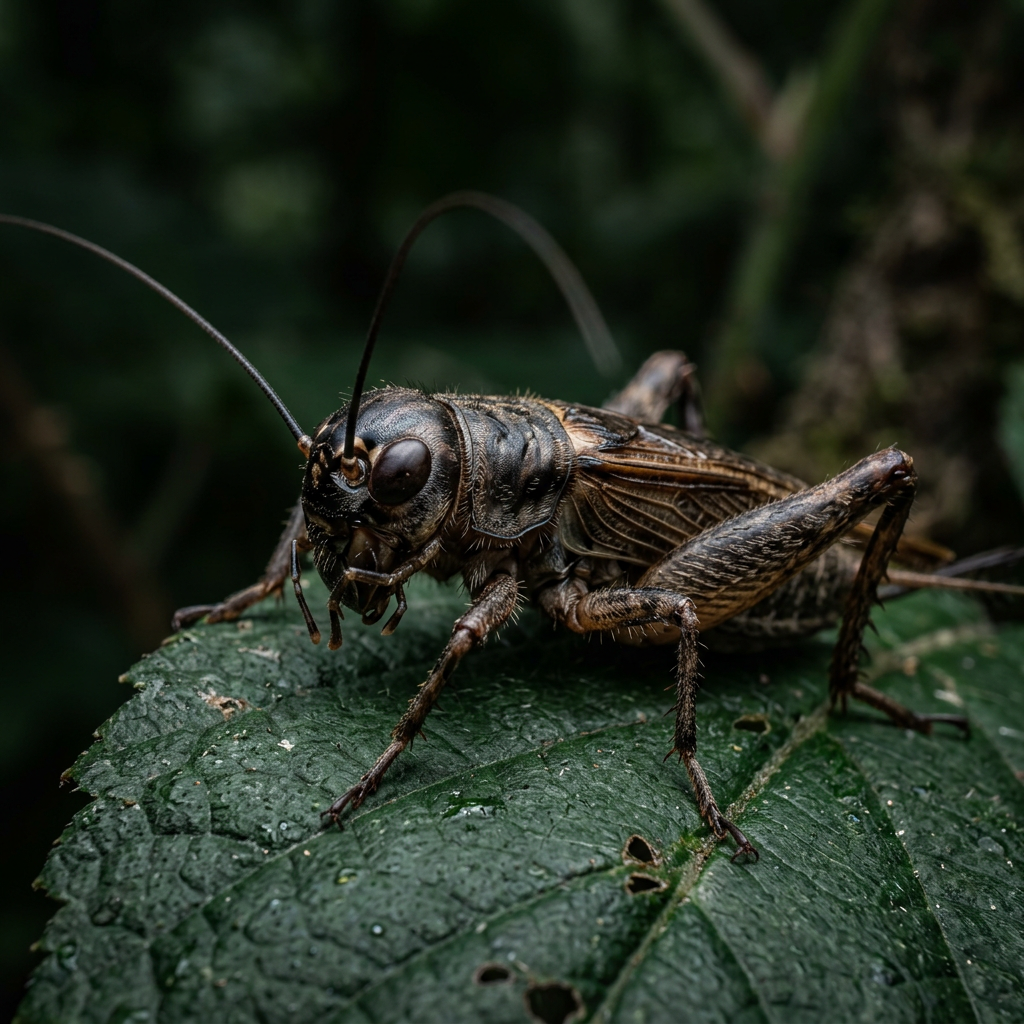
Crickets
Crickets are common nocturnal insects in the Western Cape that become a nuisance pest when they enter structures in large numbers. Field crickets and house crickets are the most prevalent species. While not dangerous, their persistent chirping at night causes significant sleep disturbance, and large infestations can damage fabrics, paper and soft furnishings.
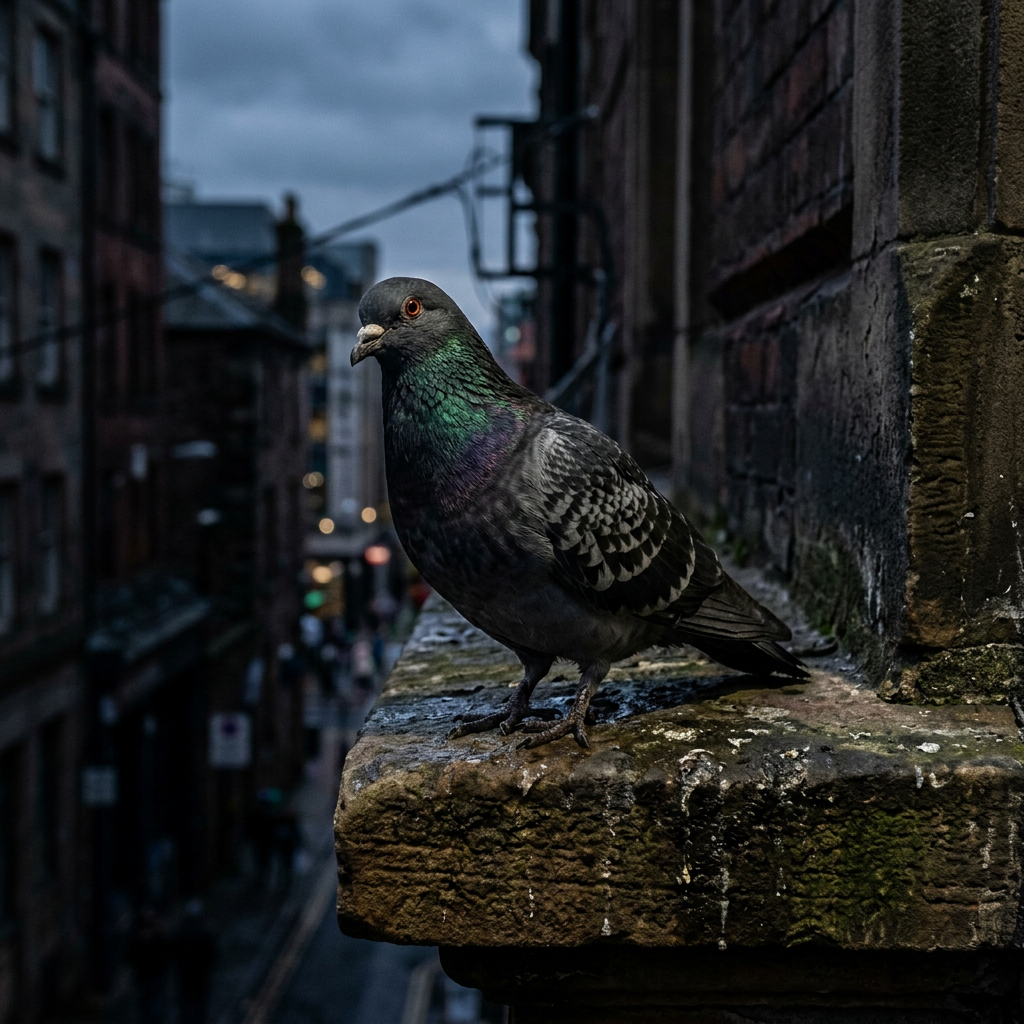
Bird Removal
Feral pigeons (Columba livia) and common starlings (Sturnus vulgaris) are the primary pest bird species in Western Cape urban areas. Pest birds cause significant property damage through acidic droppings that corrode building materials, block gutters and drainage systems, and create serious health hazards through the transmission of Histoplasmosis, Cryptococcosis and Psittacosis.

Snails & Slugs
Snails and slugs are common garden pests in the Western Cape, particularly during wet winter and spring months. The garden snail (Helix aspersa) and the grey field slug (Deroceras reticulatum) are the most prevalent species. They cause significant damage to vegetable beds, flowerbeds and ornamental plants by rasping irregular holes in leaves, stems, and fruit.
Grain & Flour Beetles
The confused flour beetle (Tribolium confusum) and the sawtoothed grain beetle (Oryzaephilus surinamensis) are two of the most common stored-product pests globally. In the Western Cape, they infest pantries, commercial food stores and bakeries, contaminating flour, cereals, dried fruit, spices and processed grain products.

Weevils
Grain weevils (Sitophilus granarius) and rice weevils (Sitophilus oryzae) are among the most destructive stored-product pests worldwide. In the Western Cape, they infest whole grains, rice, maize, pasta and seeds — rendering entire stocks inedible. Their distinctive snout (rostrum) is used to bore into grain kernels where females deposit eggs internally, making early detection extremely difficult.
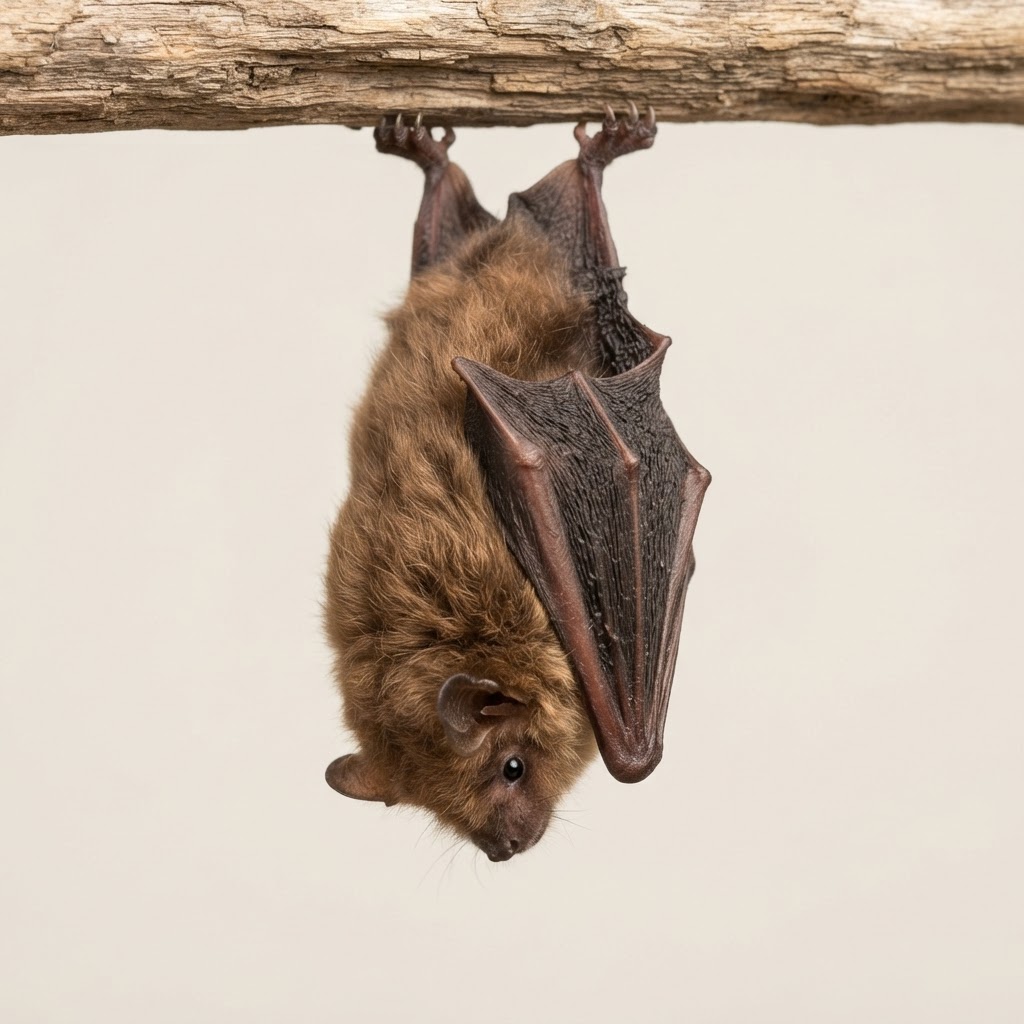
Bat Proofing
Bats are protected by law in South Africa under the National Environmental Management: Biodiversity Act. Several species roost in roof voids, attics and eaves of homes in the Western Cape, including the Egyptian fruit bat and various insectivorous species. While ecologically vital, bats in roof spaces create significant hygiene issues through accumulations of guano, noise disturbance, and potential disease transmission including histoplasmosis and rabies.
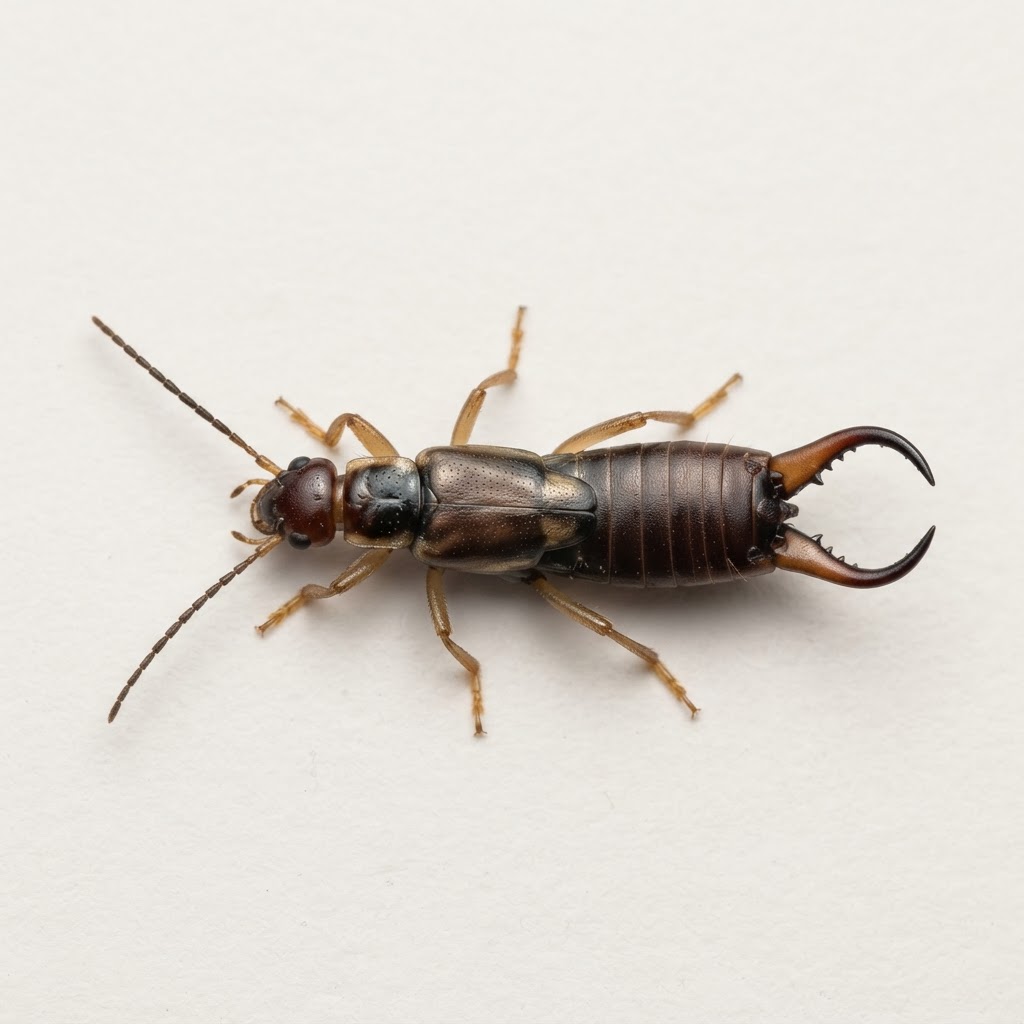
Earwigs
Earwigs are common garden insects in the Western Cape that occasionally enter homes in search of shelter and moisture. The European earwig (Forficula auricularia) is the most prevalent species. Despite their fearsome pincers, they are harmless to humans. They feed on decaying plant matter, fungi and occasionally live plants, making them a minor garden pest but a significant household nuisance when present in large numbers.
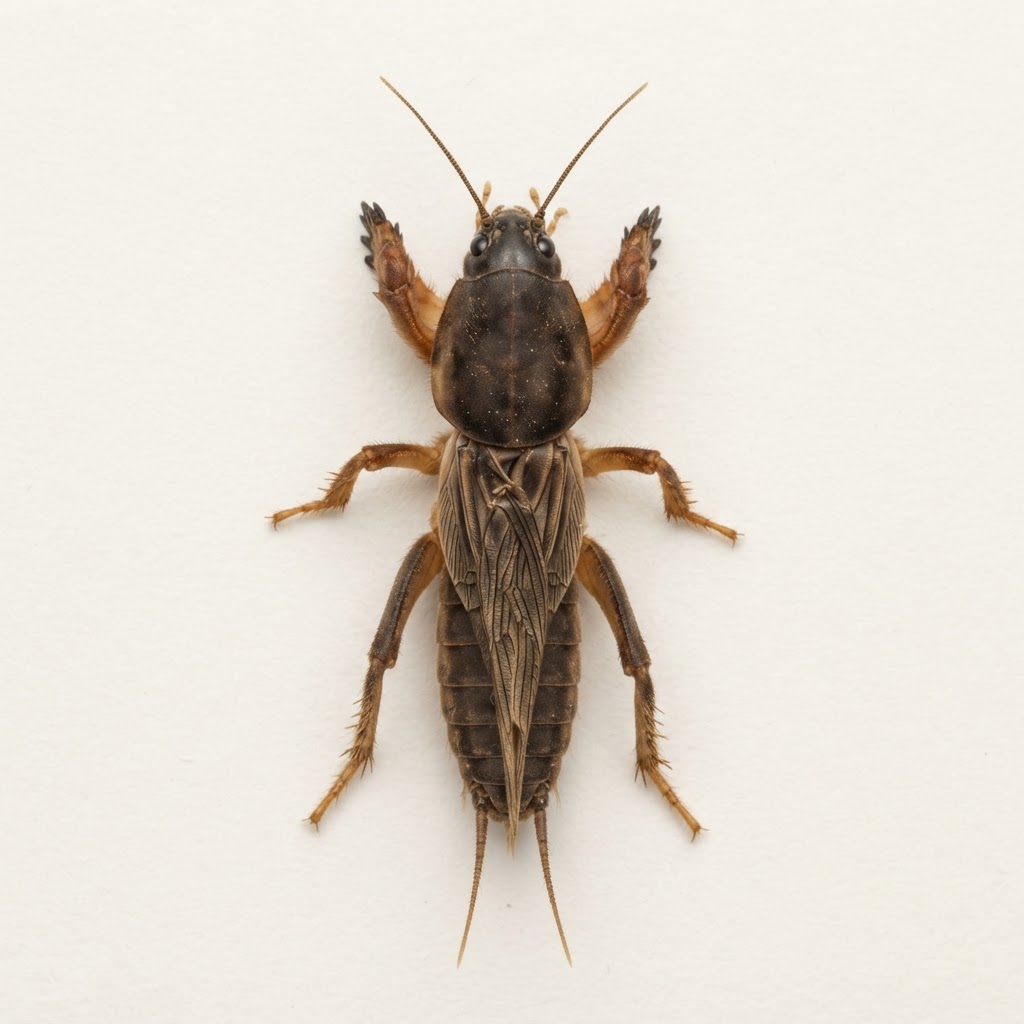
Mole Crickets
Mole crickets (Gryllotalpa africana) are subterranean insects that cause significant damage to lawns, sports turf and gardens in the Western Cape. Their large, mole-like front legs are adapted for tunnelling through soil, where they feed on grassroots, root systems and organic matter. They are particularly destructive to golf courses, bowling greens and irrigated lawns, creating raised tunnels and bare patches.
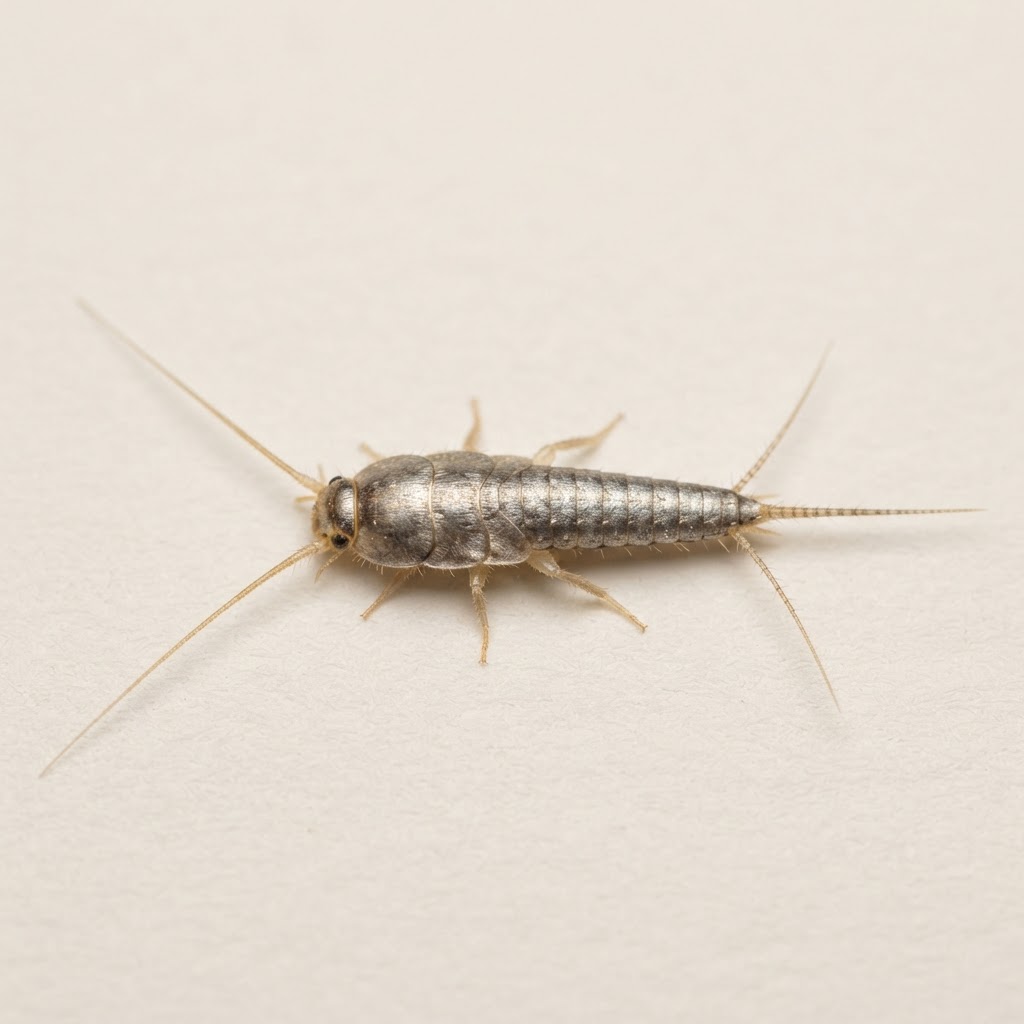
Silverfish
Silverfish (Lepisma saccharina) are ancient, wingless insects that thrive in humid, dark environments. In Western Cape homes, they are commonly found in bathrooms, roof voids, stored book collections and damp cupboards. They feed on starchy and sugary materials including paper, book bindings, wallpaper paste, photos, textiles and pantry goods. While not dangerous, they cause irreversible damage to books, documents and natural-fibre clothing over time.
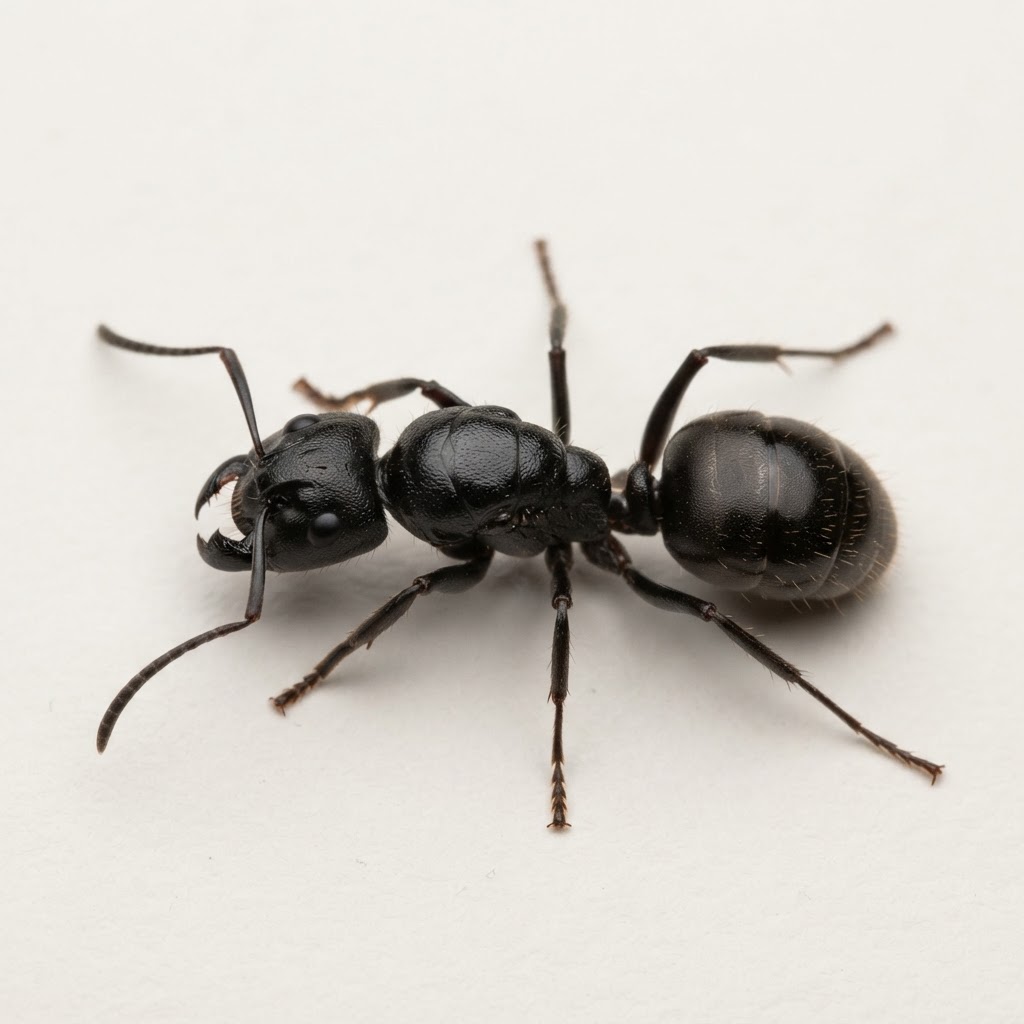
Carpenter Ants
Carpenter ants (Camponotus species) are large, destructive ants that excavate galleries in wooden structures for nesting. Unlike termites, they do not eat wood — they tunnel through it to create nests, causing structural damage that can rival termite infestations over time. In the Western Cape, they commonly nest in damp or decaying timber, roof timbers, door frames and wooden decks. Their presence often indicates an underlying moisture problem.
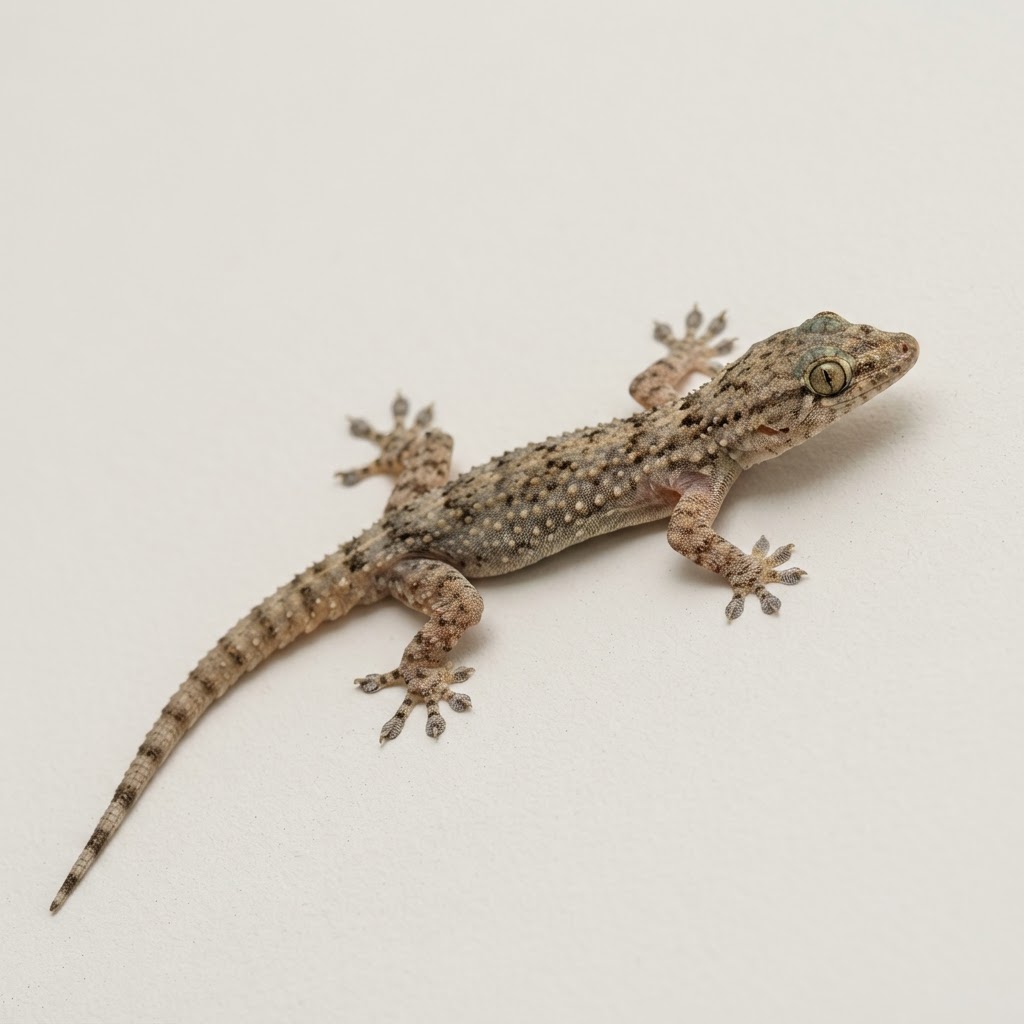
Gecko Control
House geckos (Hemidactylus species) are common in Western Cape homes, attracted by insects and warm sheltered roosting sites. While geckos are beneficial insect predators, their droppings can create hygiene and staining issues on walls, ceilings and surfaces. They are particularly problematic in food preparation areas, restaurants and commercial kitchens where their presence creates compliance issues.
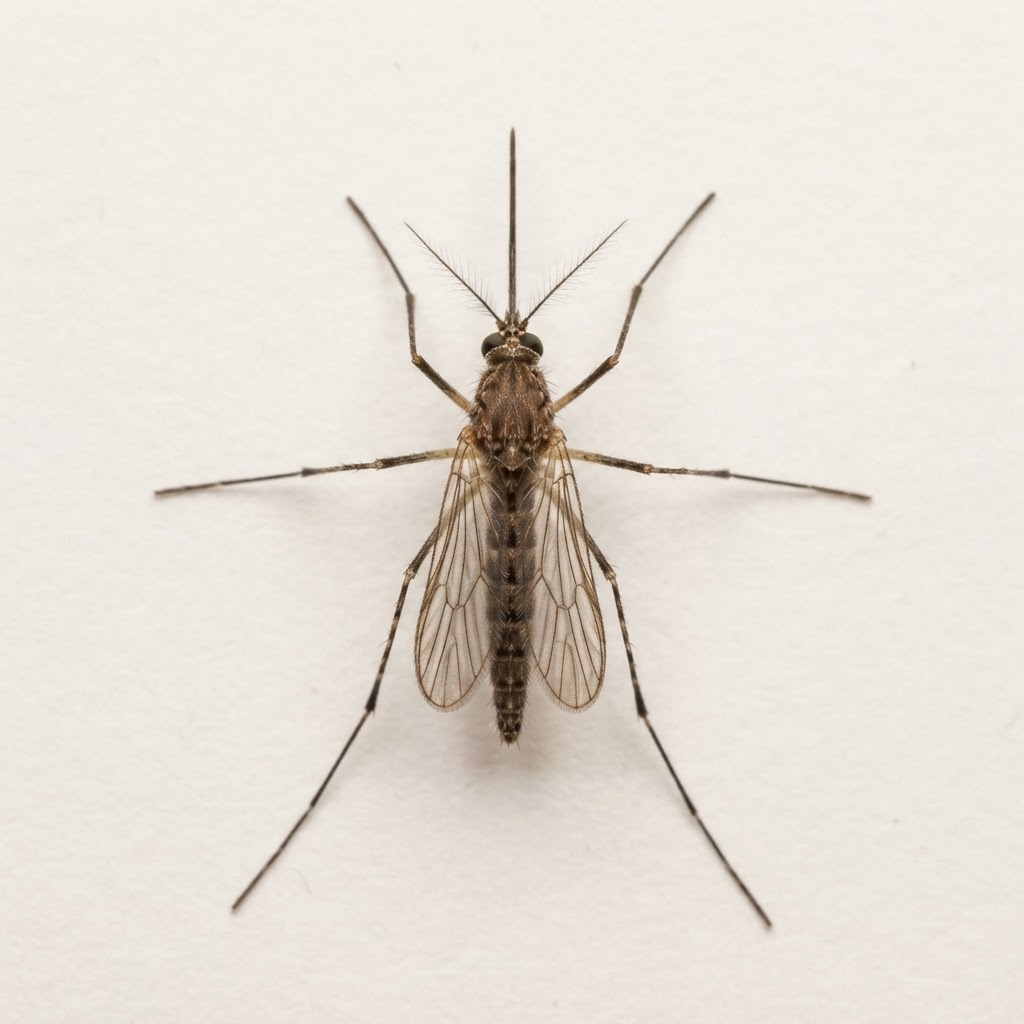
Mosquitoes
Mosquitoes are among the most significant pest species in the Western Cape, particularly during warm, wet months. Common species include Culex mosquitoes (night-biting) and Aedes mosquitoes (day-biting). They breed in standing water and can transmit diseases including West Nile virus and Rift Valley fever. Beyond disease risk, their persistent biting causes significant discomfort and outdoor activity disruption.
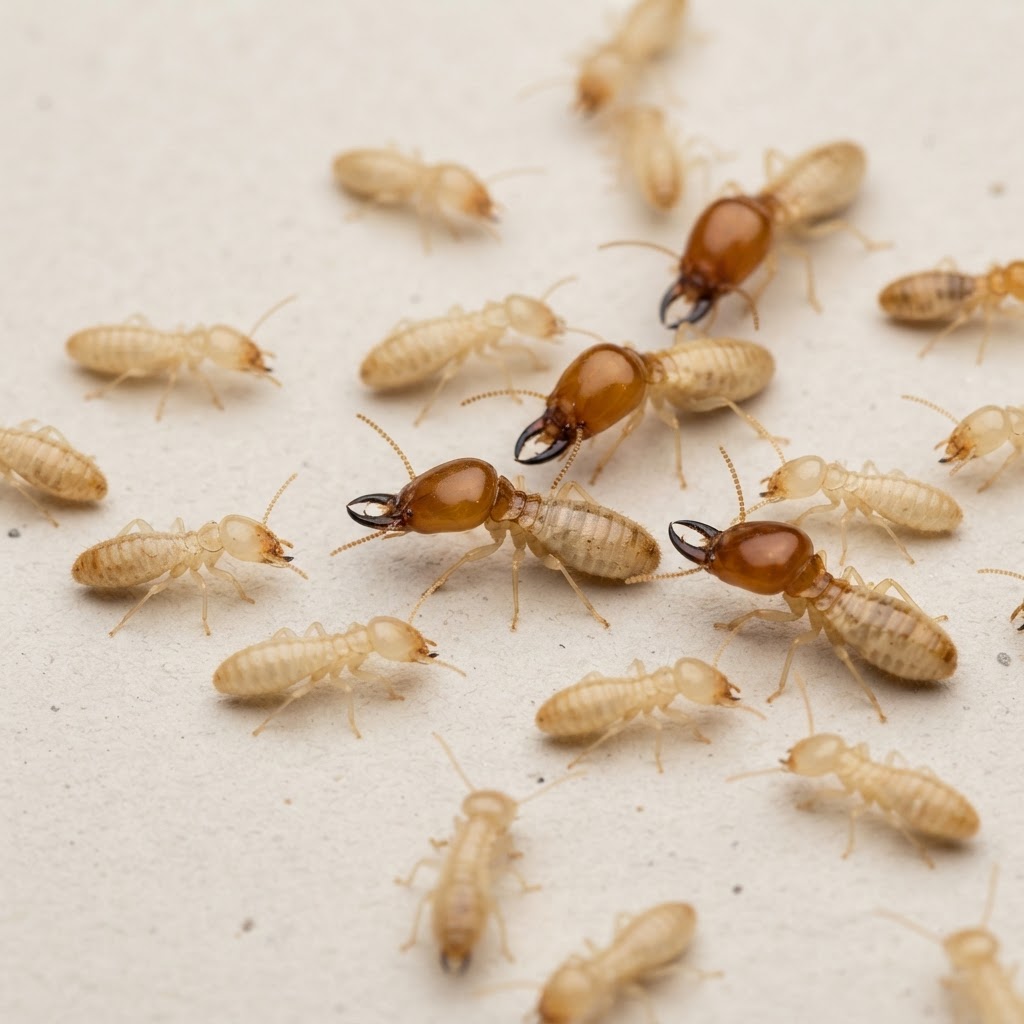
Harvester Termites
Harvester termites (Hodotermes mossambicus) are subterranean termites common in the Western Cape that forage above ground, collecting grass and plant material to feed their underground colonies. Unlike structural termite species, they do not eat building timber — but they can cause extensive damage to lawns, gardens, sports fields and agricultural land by stripping vegetation bare around their nest entrances. Large colonies can denude significant areas of turf and grassland.
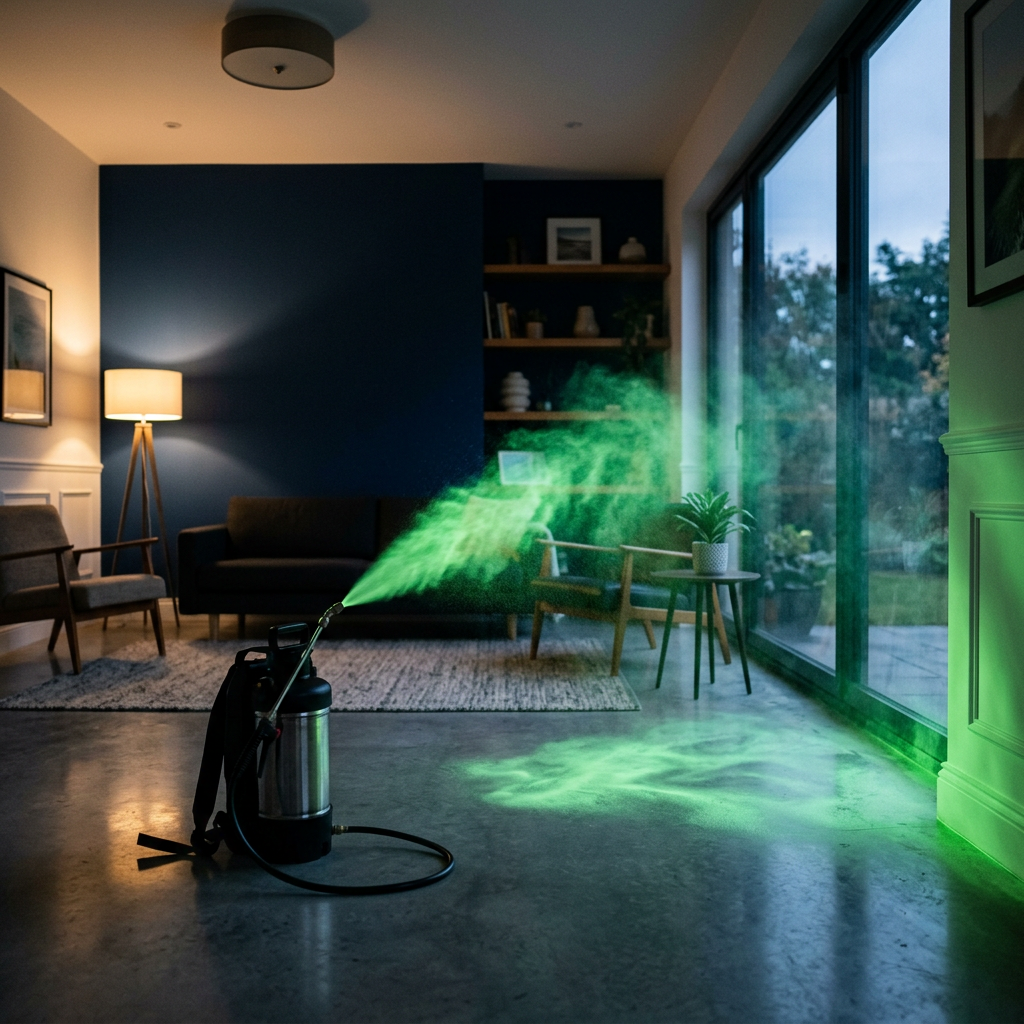
General Spray
A comprehensive general spray treatment provides broad-spectrum protection against the full range of common crawling and flying insects. This service covers both interior and exterior environments in a single scheduled visit, creating a residual chemical barrier that provides ongoing protection for 3–6 months. Ideal as a preventive maintenance treatment or as a reset following a multi-species infestation.