Species Profile
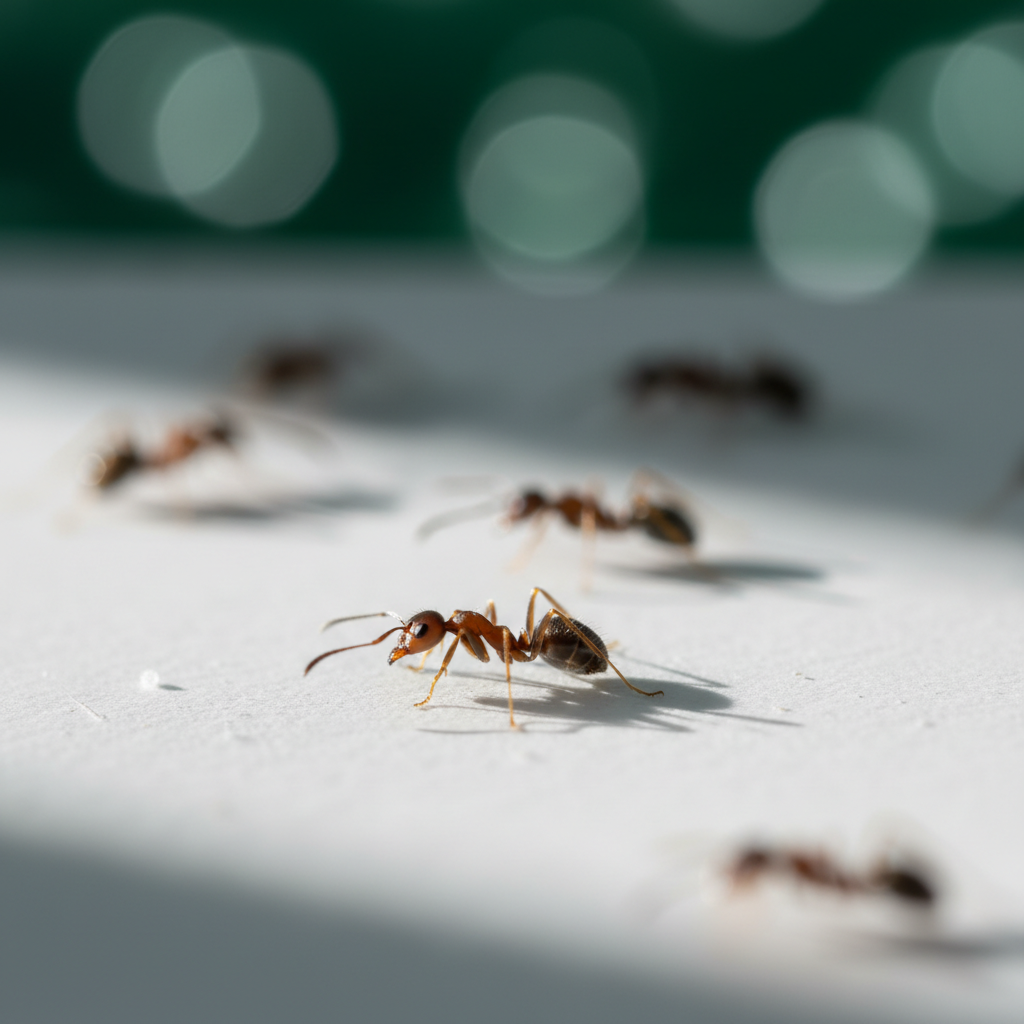
Ants
Formicidae spp.
Ants are highly social eusocial insects forming structured colonies with a queen, workers, and soldiers. In Western Cape, common species include Argentine ants (Linepithema humile), fire ants, and carpenter ants. Argentine ants are an invasive species that forms supercolonies, displacing native ant populations and disrupting local ecosystems.
Biology & Behaviour
Ants communicate via pheromone trails and can navigate complex environments to locate food sources. Colonies reproduce through "nuptial flights" where winged reproductives leave to establish new colonies. Their social structure makes surface-level treatments largely ineffective — killing workers does not eliminate the colony.
Signs of Infestation
Infestation Indicators
Visible ant trails along walls, countertops or floors
Small soil mounds near foundations or in garden beds
Sawdust-like frass indicating carpenter ant activity in wood
Clustering near food or moisture sources
Winged ants (alates) indoors — indicates colony near or inside structure
Clinical Organicism Protocol
Remediation Protocol
The Eco Pestelence 4-phase intervention methodology, calibrated specifically for ants.
Detection
Comprehensive trail mapping and entry point identification using non-toxic tracking powder. Species identification via morphology to determine colony size and nesting behaviour.
Isolation
Sealing of all identified entry points with bio-compatible sealants. Removal of food and moisture attractants through environmental modification advisory.
Neutralization
Targeted slow-acting gel bait matrices placed on active trails. Workers carry bait back to colony, achieving queen elimination through trophallaxis (food sharing). Zero spray contamination.
10-Day Elimination Programme
The initial treatment eliminates active pests while eggs continue hatching over the following days — newly hatched pests contact the residual treatment, progressively clearing the infestation within ~10 days.
Shielding
Perimeter granular barrier application using botanical repellents. Ongoing monitoring stations placed at key entry vectors for early re-infestation detection.
Eco Commitment
Eco Pestelence uses slow-acting baits exclusively — no broadcast spraying. This eliminates the colony without harming non-target insects including beneficial native ant species.
Other Species
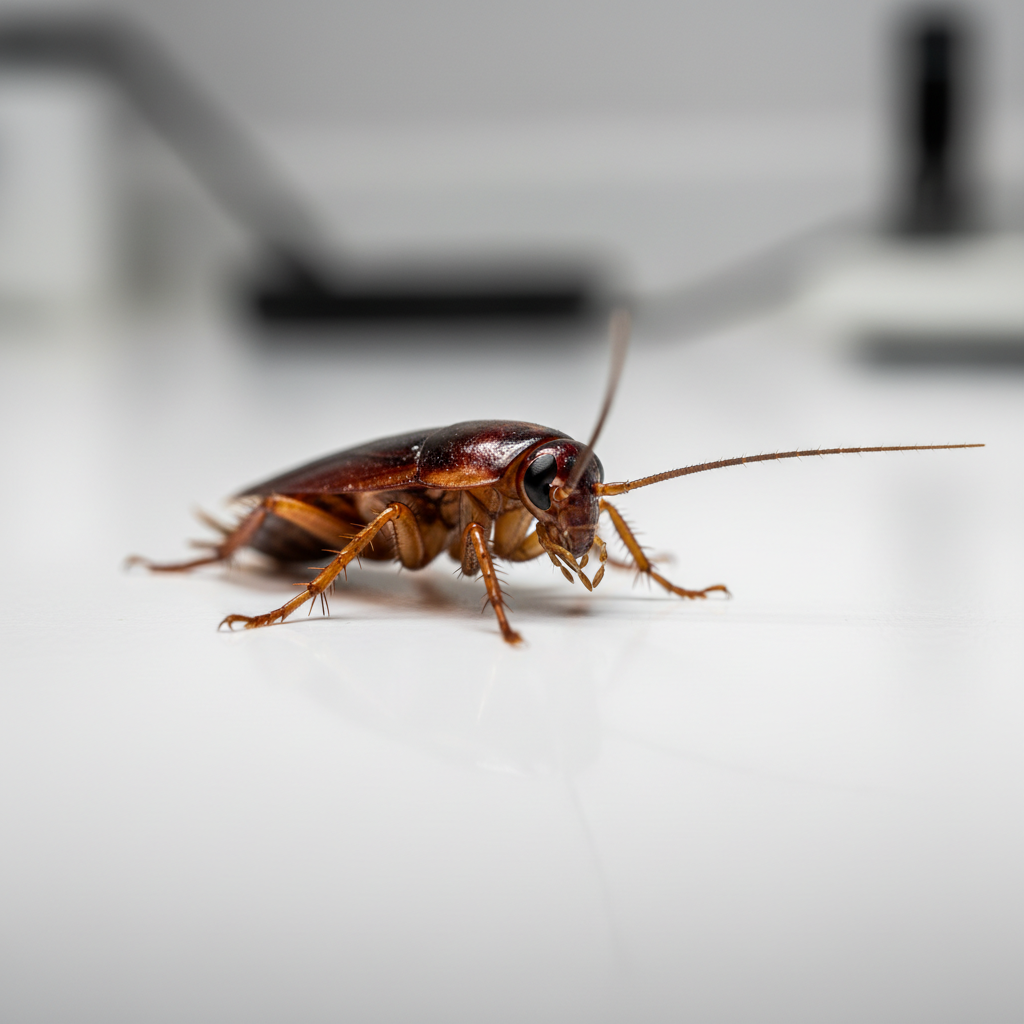 American Cockroaches
 German Cockroaches
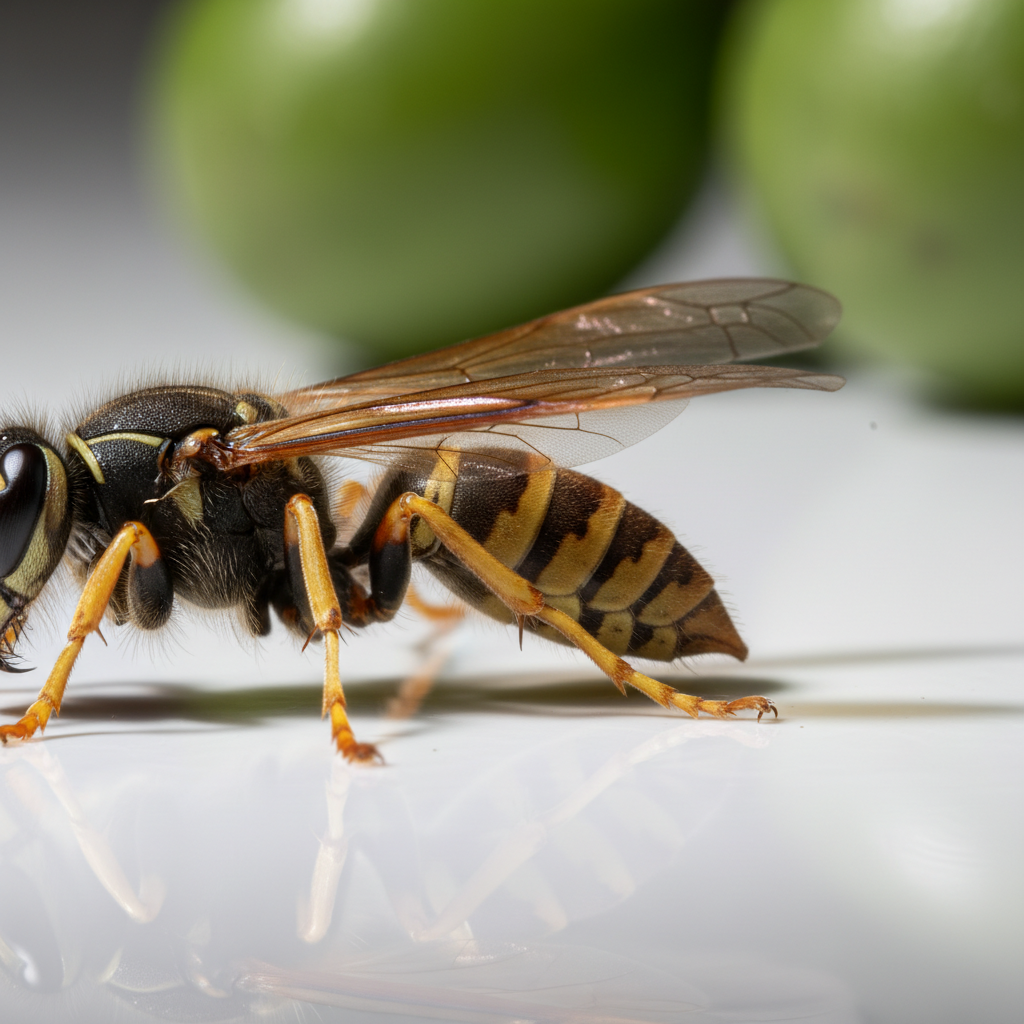 Wasps
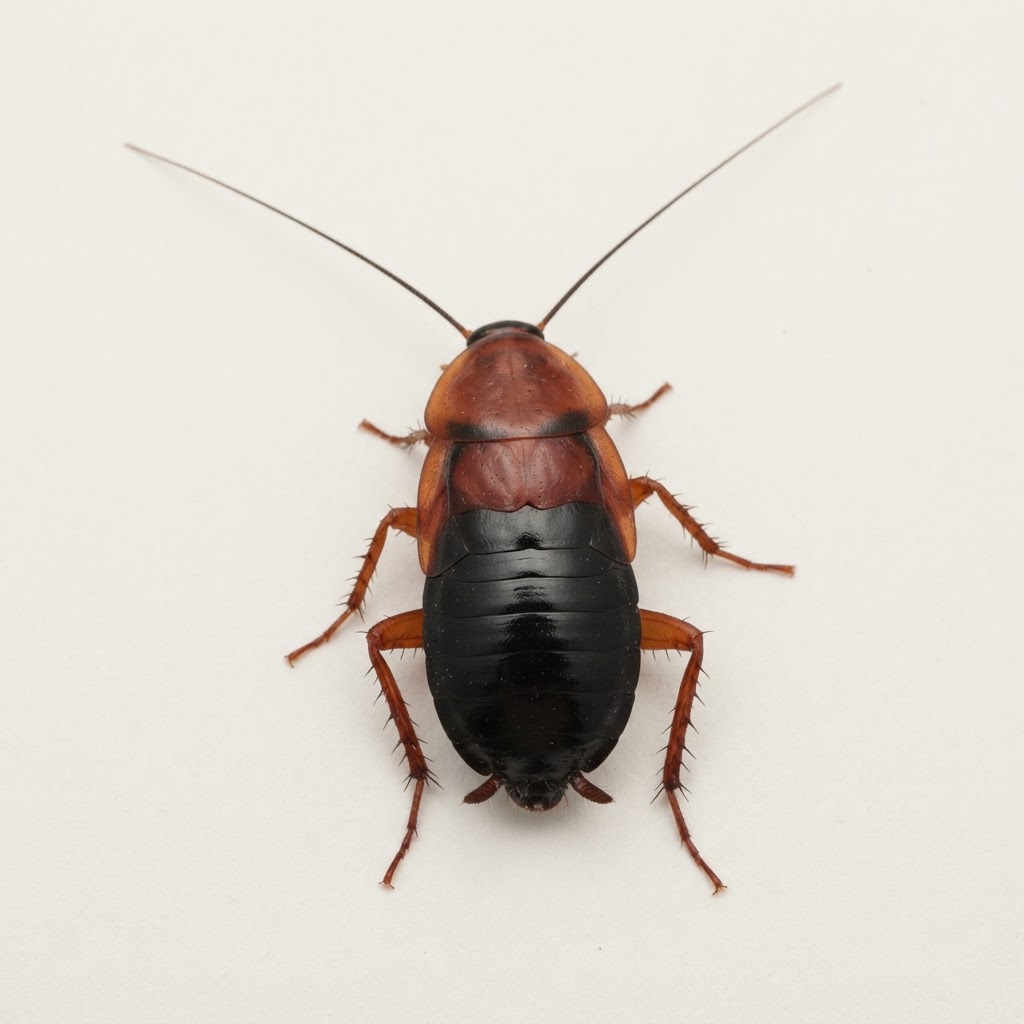 Red-headed Cockroaches
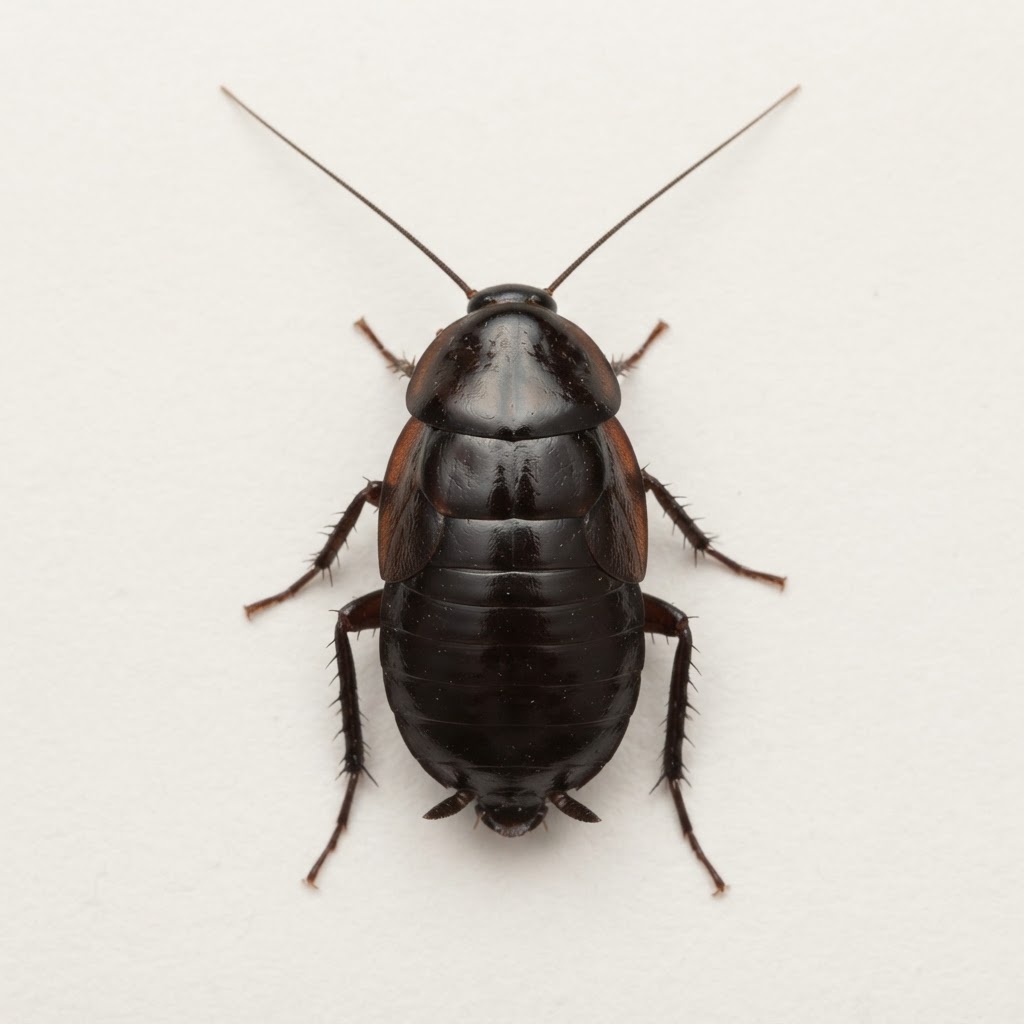 Oriental Cockroaches
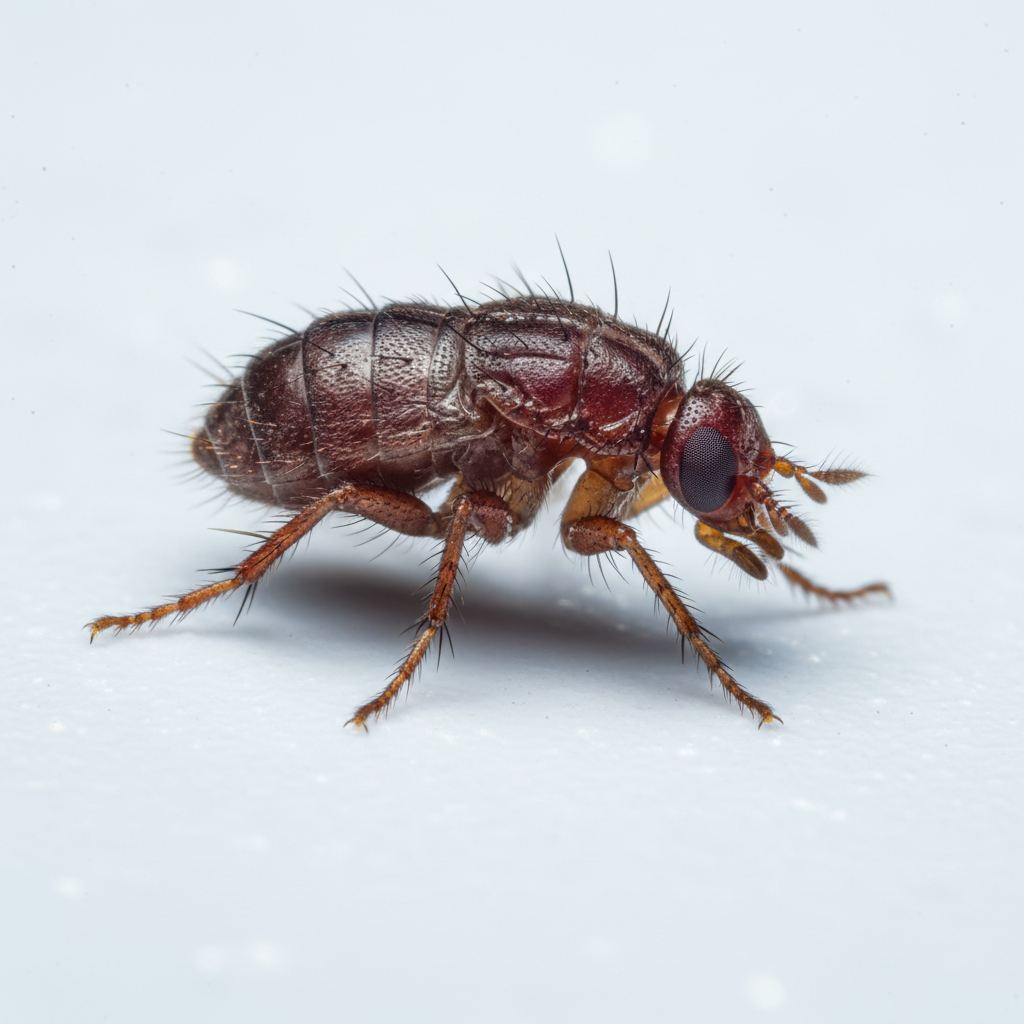 Fleas & Bed Bugs
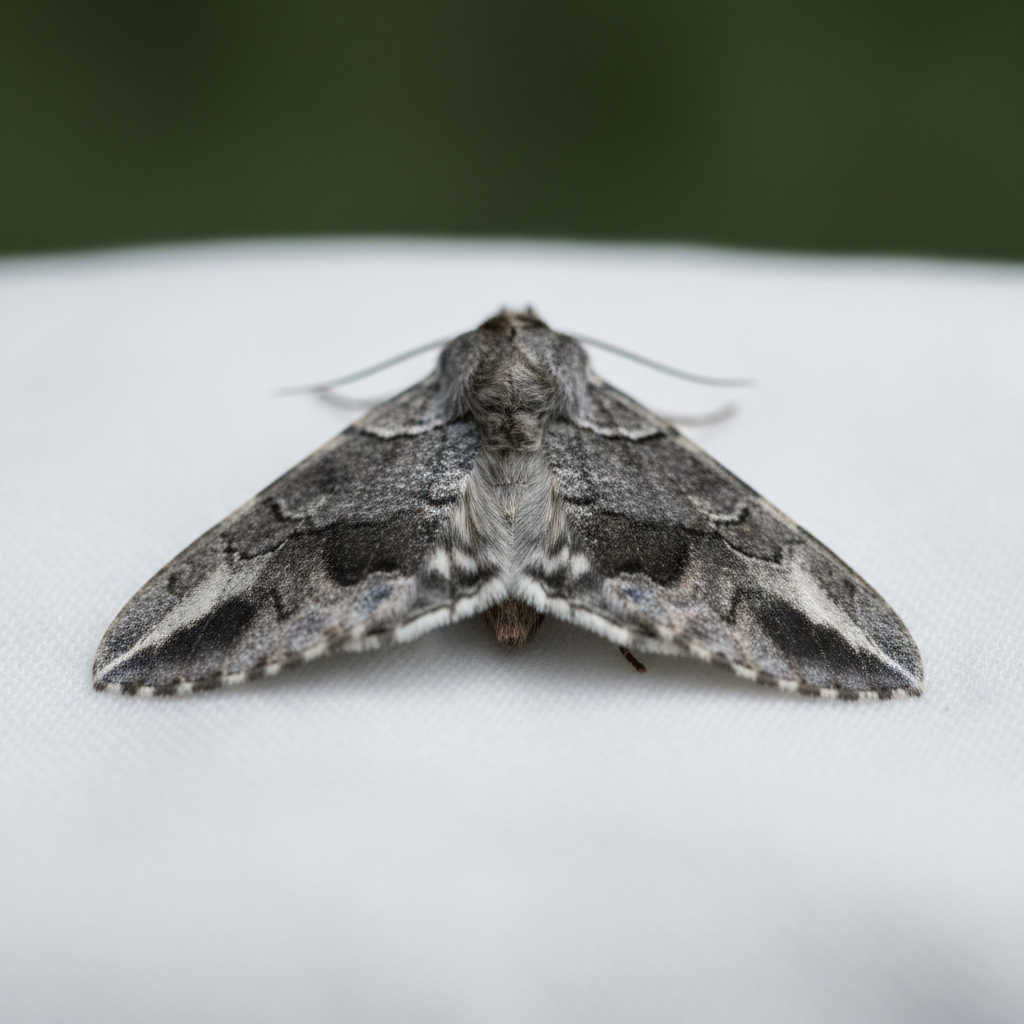 All Moths
 Rodents
 Spiders
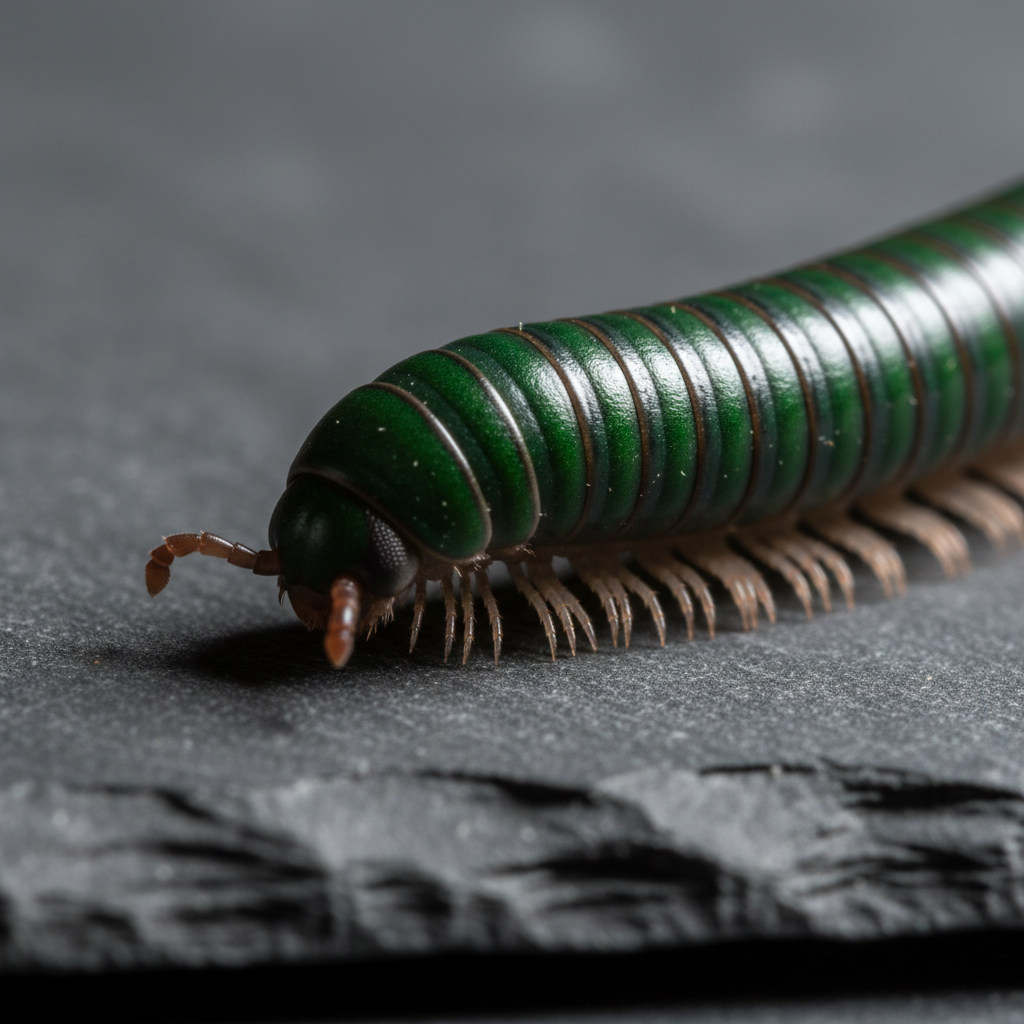 Millipedes & Centipedes
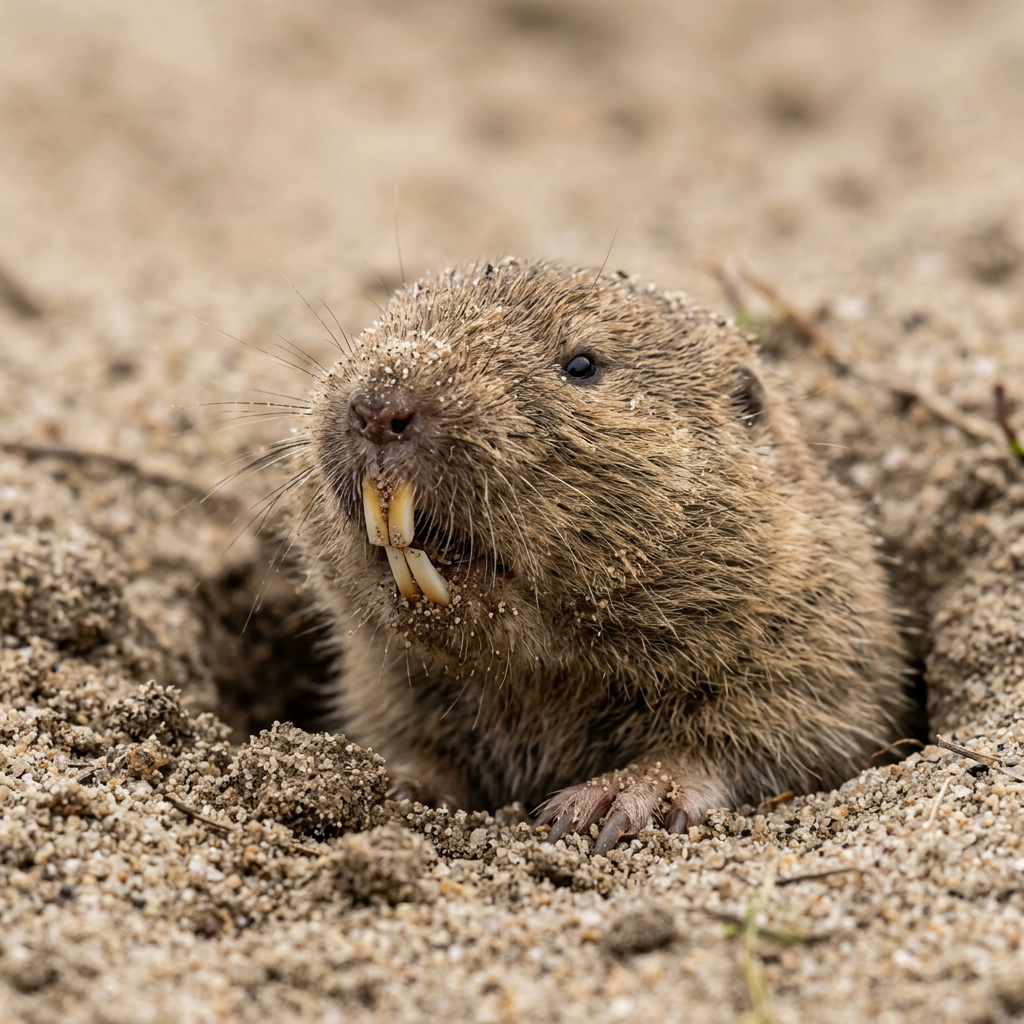 Dune Moles
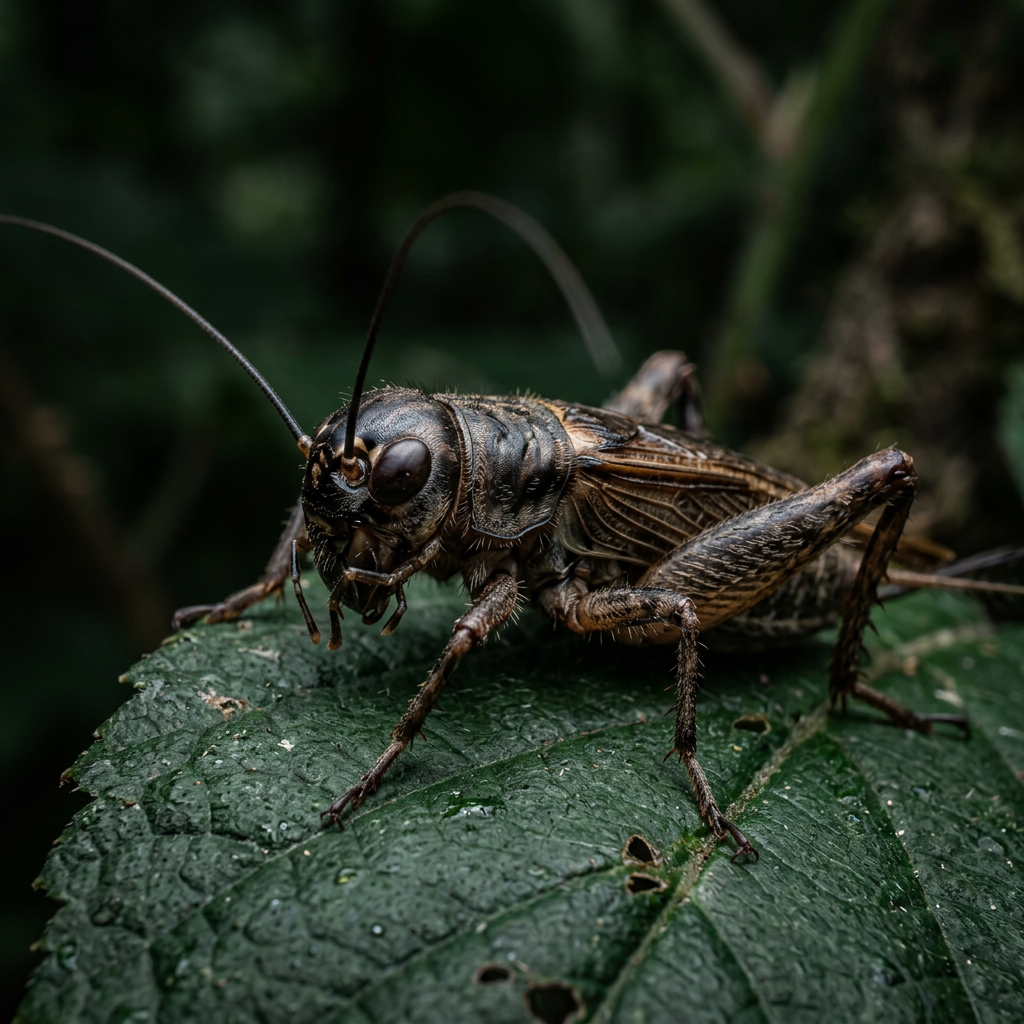 Crickets
 Bird Removal
 Snails & Slugs
 Grain & Flour Beetles
 Weevils
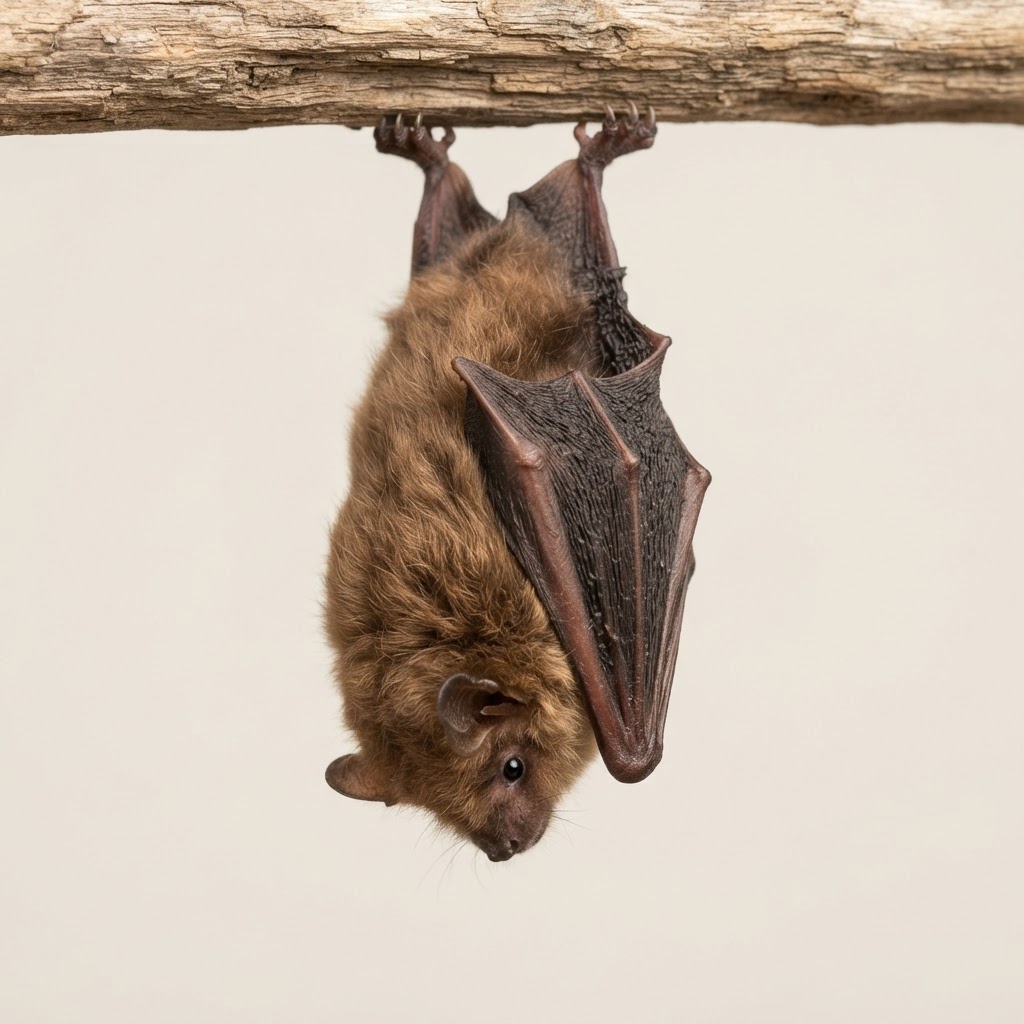 Bat Proofing
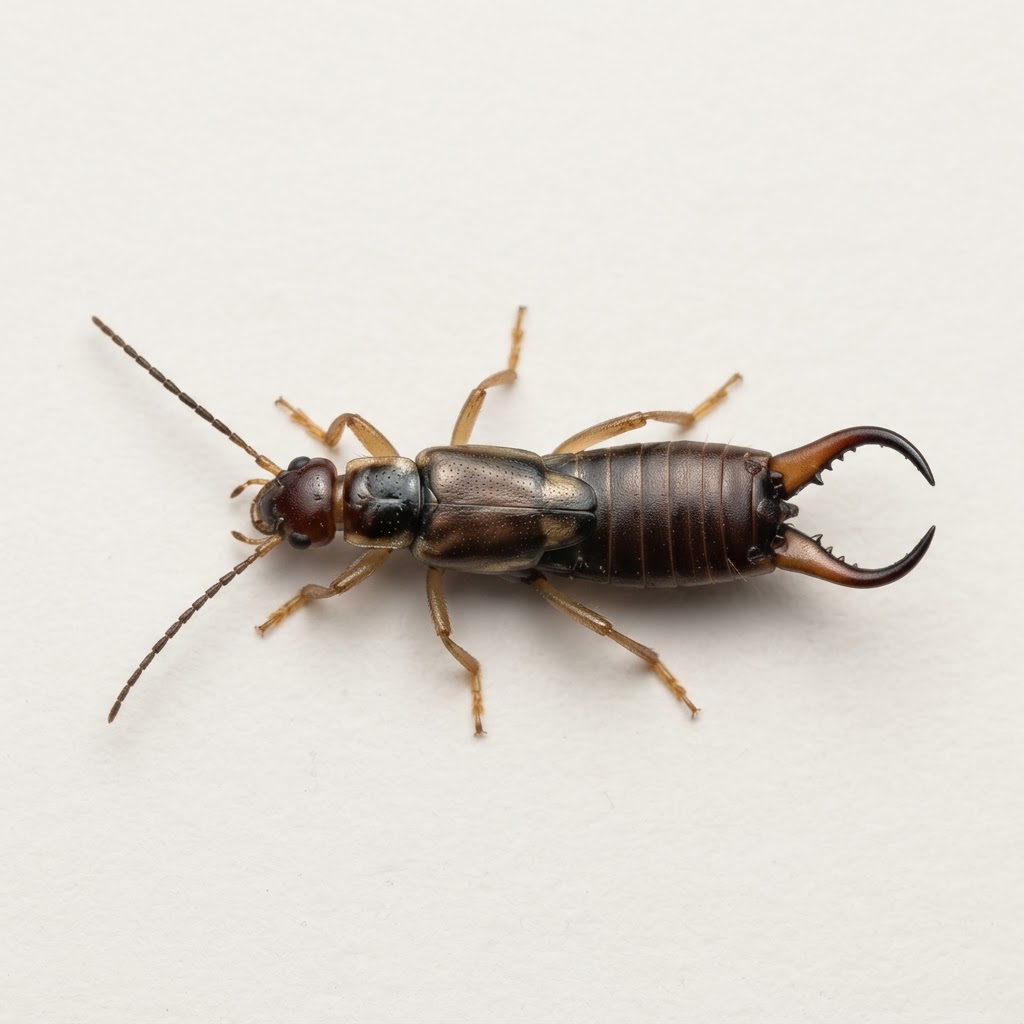 Earwigs
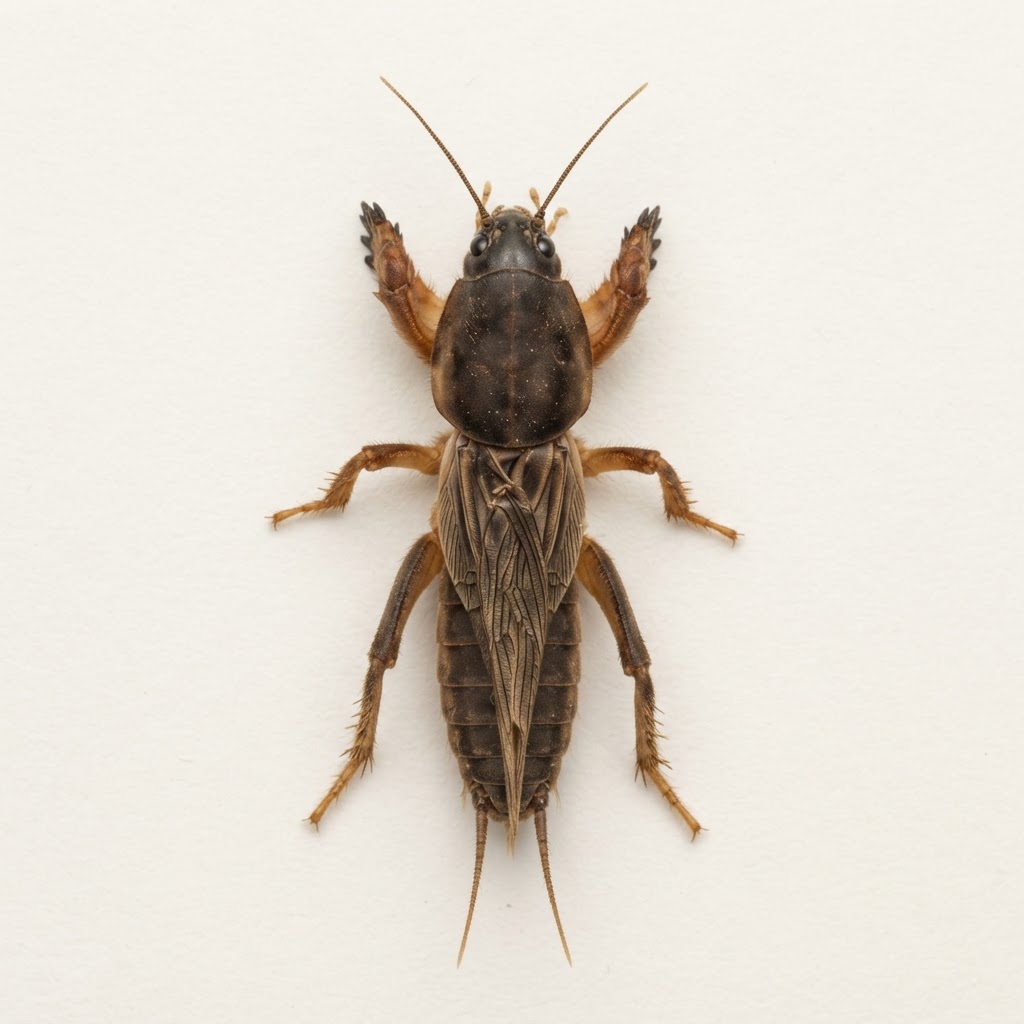 Mole Crickets
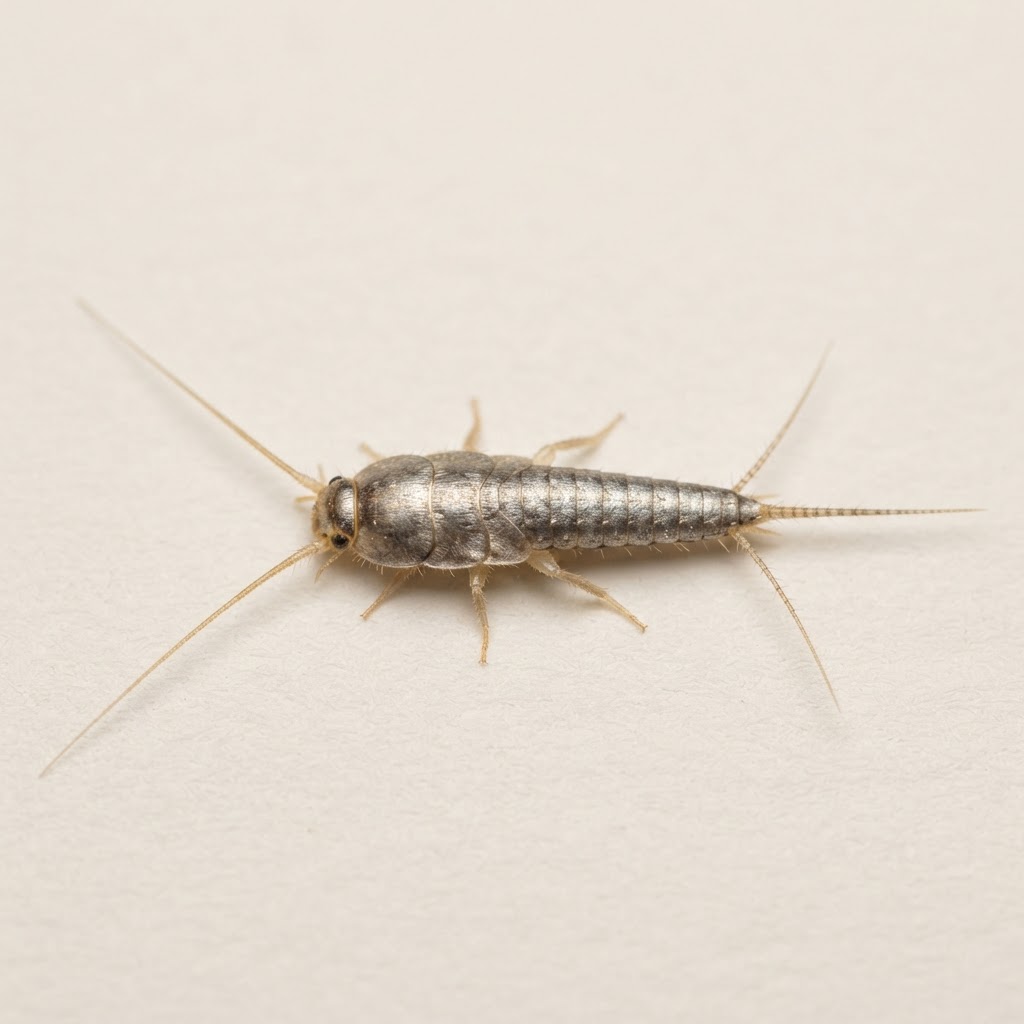 Silverfish
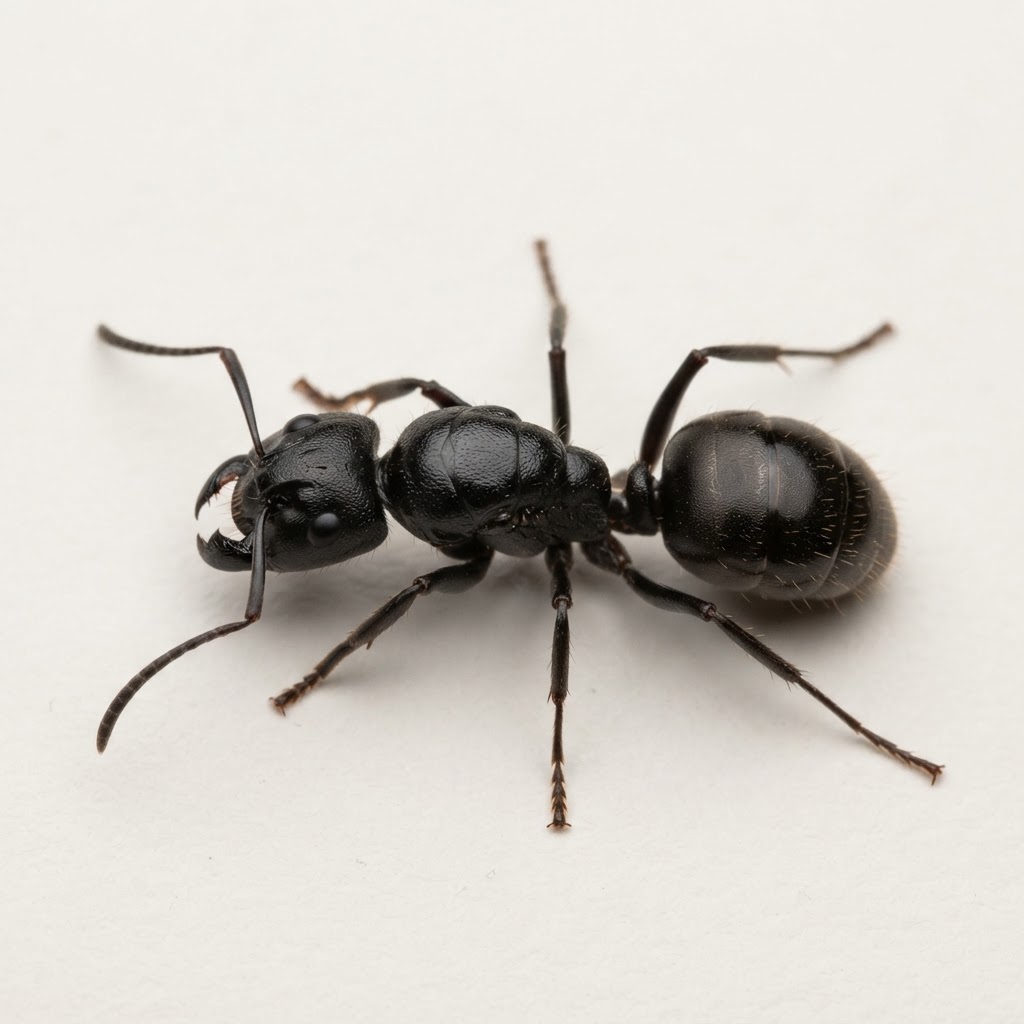 Carpenter Ants
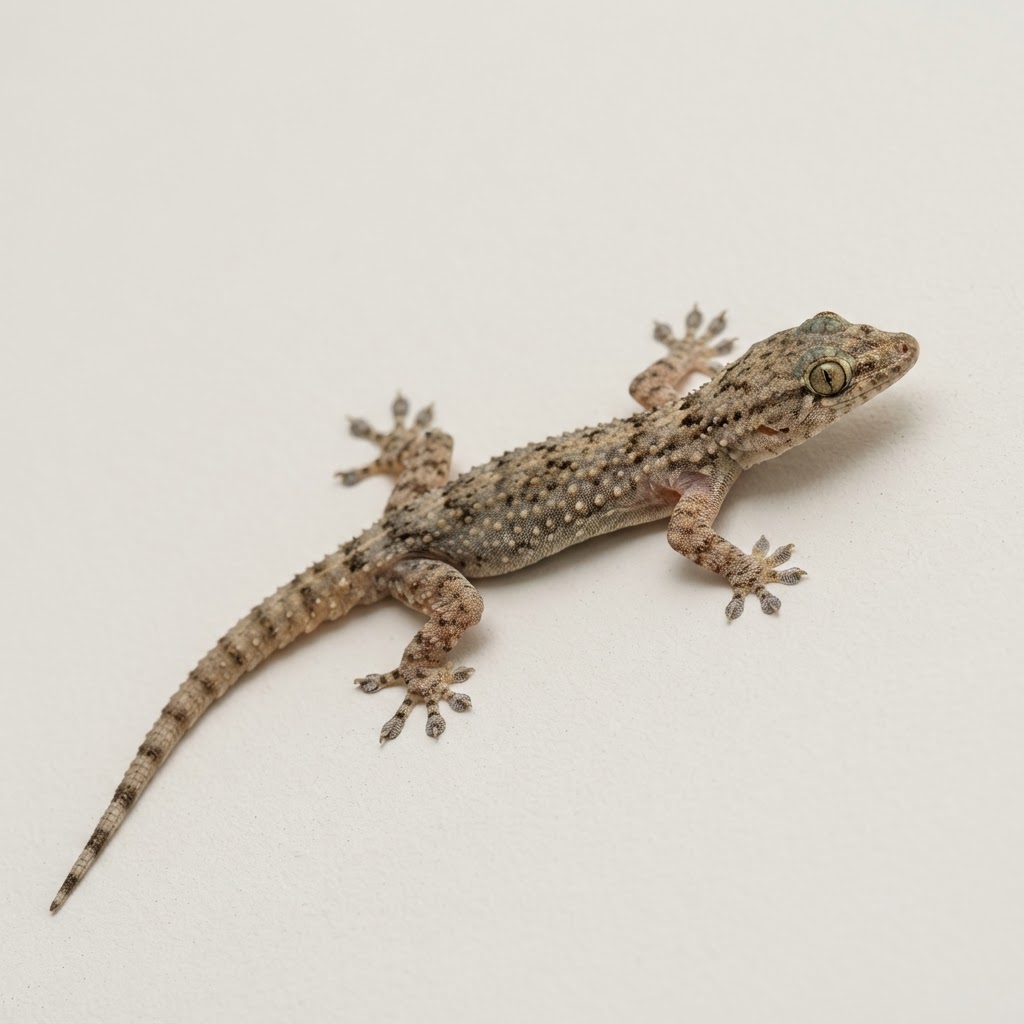 Gecko Control
 Mosquitoes
 Harvester Termites
 General Spray