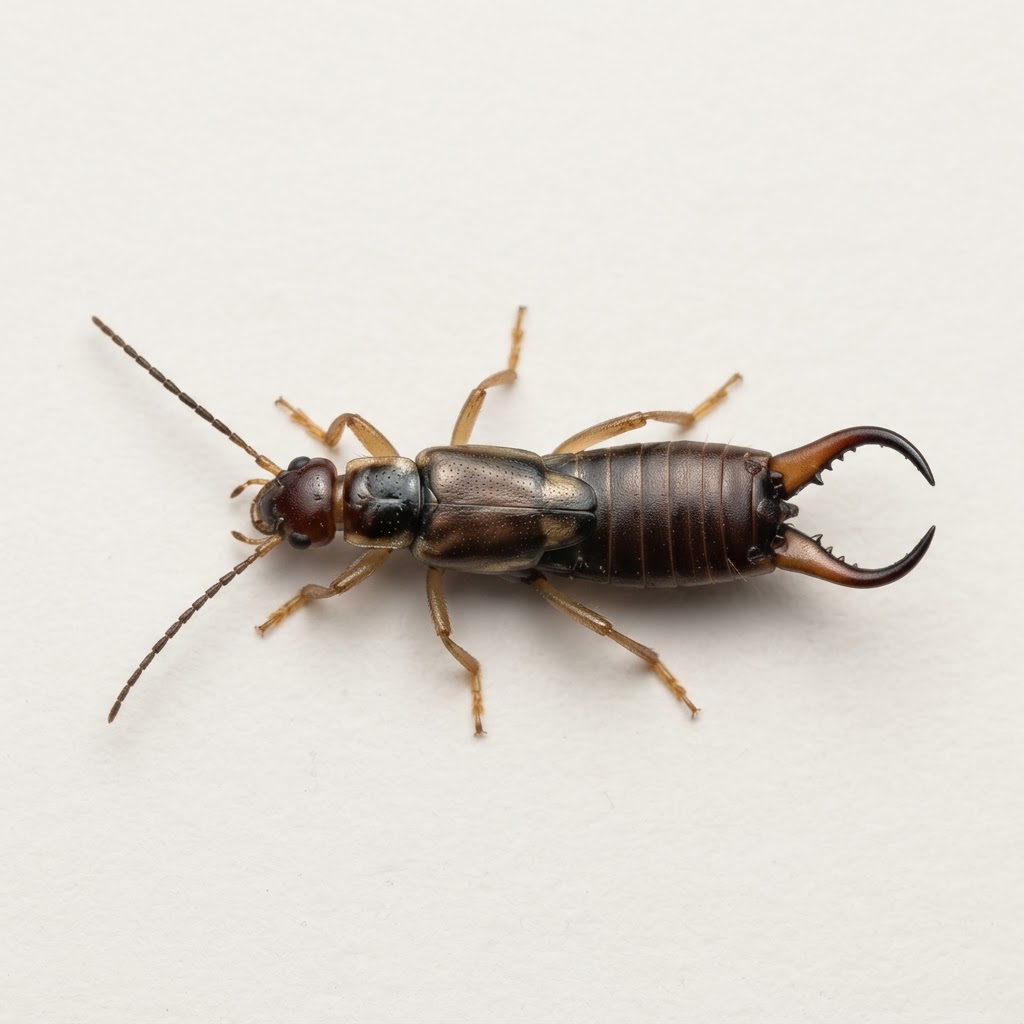
Species Profile
Earwigs
Forficula auricularia
Earwigs are common garden insects in the Western Cape that occasionally enter homes in search of shelter and moisture. The European earwig (Forficula auricularia) is the most prevalent species. Despite their fearsome pincers, they are harmless to humans. They feed on decaying plant matter, fungi and occasionally live plants, making them a minor garden pest but a significant household nuisance when present in large numbers.
Biology & Behaviour
Earwigs are nocturnal, hiding in crevices, under stones and in leaf litter during the day. Females exhibit rare maternal care — guarding eggs and nurturing nymphs through their first moult. They are attracted to light and moisture, entering homes through gaps under doors and around windows. Their pincers (cerci) are used for defence, prey capture and mating displays, not for biting humans.
Signs of Infestation
Infestation Indicators
Flat, brown insects 10–14mm with distinctive tail pincers, found in damp areas
Aggregations under pot plants, stones, mulch and debris near the home
Chewed, ragged holes in soft plant leaves and petals near ground level
Earwigs found indoors in bathrooms, laundry rooms and under damp items
Activity peaks during wet, humid weather in autumn and winter
Clinical Organicism Protocol
Remediation Protocol
The Eco Pestelence 4-phase intervention methodology, calibrated specifically for earwigs.
Detection
Nocturnal inspection of garden perimeter and interior damp zones. Identification of primary harborage areas under debris, mulch and pot plants near entry points.
Isolation
Removal of garden debris and leaf litter within 1m of the building. Door sweep installation on exterior doors. Gap sealing around window frames and utility penetrations.
Neutralization
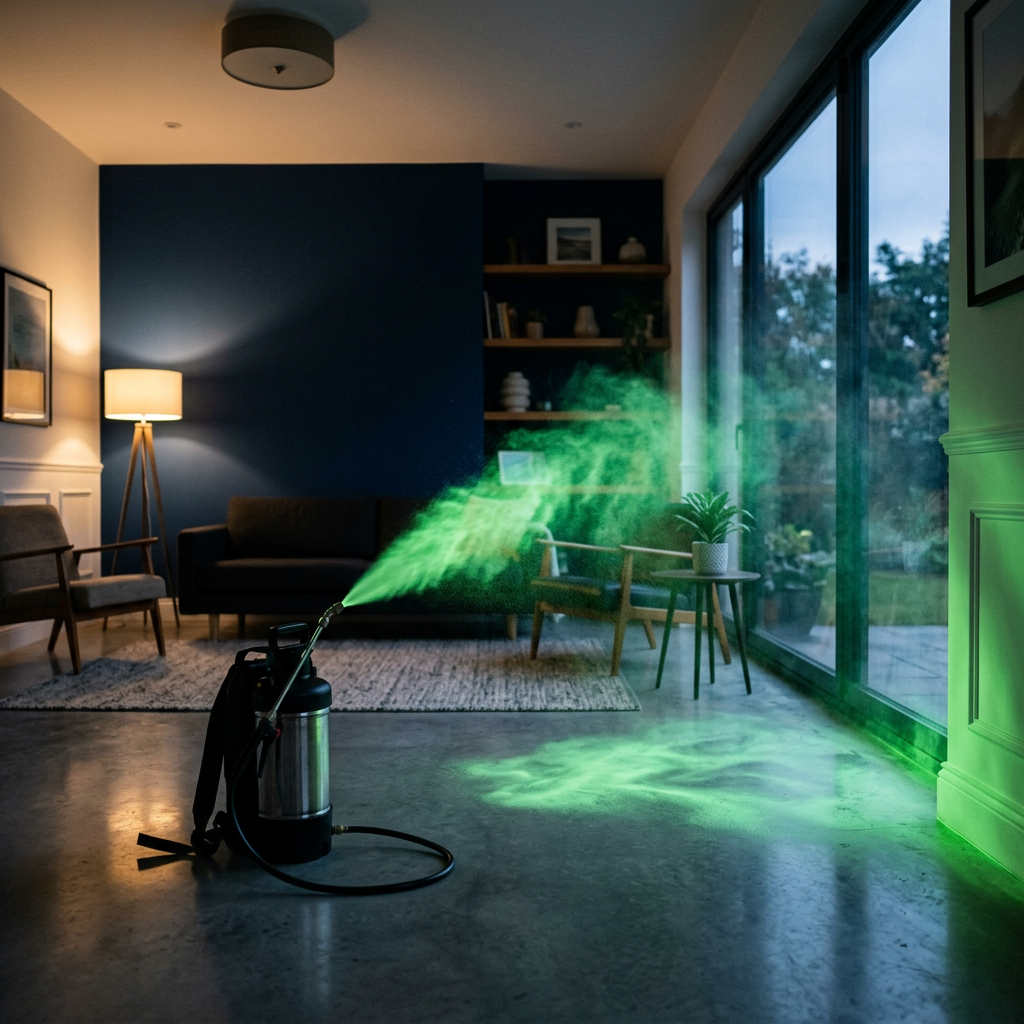
Diatomaceous earth application along entry points and damp interior zones — mechanical, chemical-free. Targeted perimeter spray to harborage zones. Oil-based trap placement in high-activity garden areas.
10-Day Elimination Programme
The initial treatment eliminates active pests while eggs continue hatching over the following days — newly hatched pests contact the residual treatment, progressively clearing the infestation within ~10 days.
Shielding
Moisture reduction advisory — the single most effective long-term control. Pre-autumn perimeter treatment. Garden hygiene maintenance to reduce harborage sites.
Eco Commitment
Earwigs are beneficial scavengers and prey on other garden pests. Our treatments are restricted to the building perimeter and entry points, preserving earwig populations in the broader garden ecosystem.
Concerned about earwigs? Request a professional assessment.
Request Earwigs AssessmentBack to EncyclopediaOther Species
 Ants
 American Cockroaches
 German Cockroaches
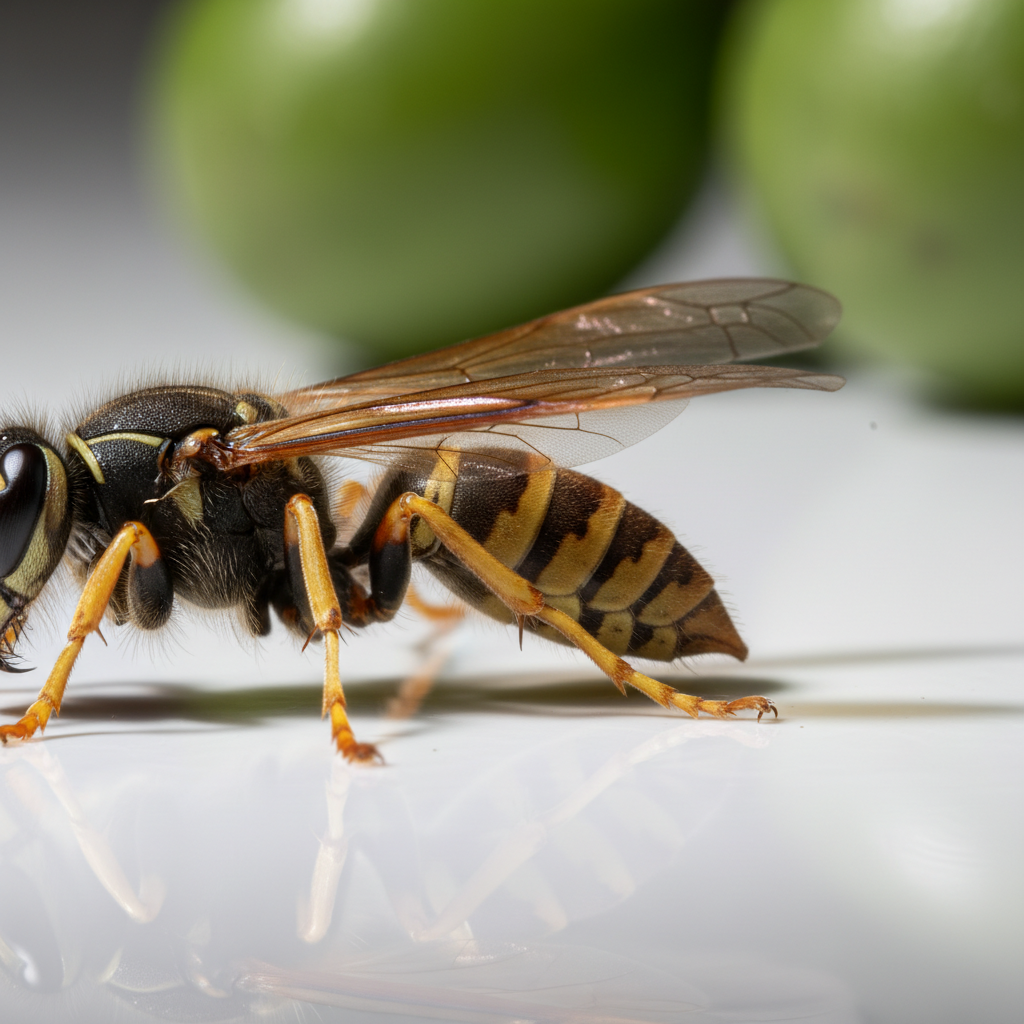 Wasps
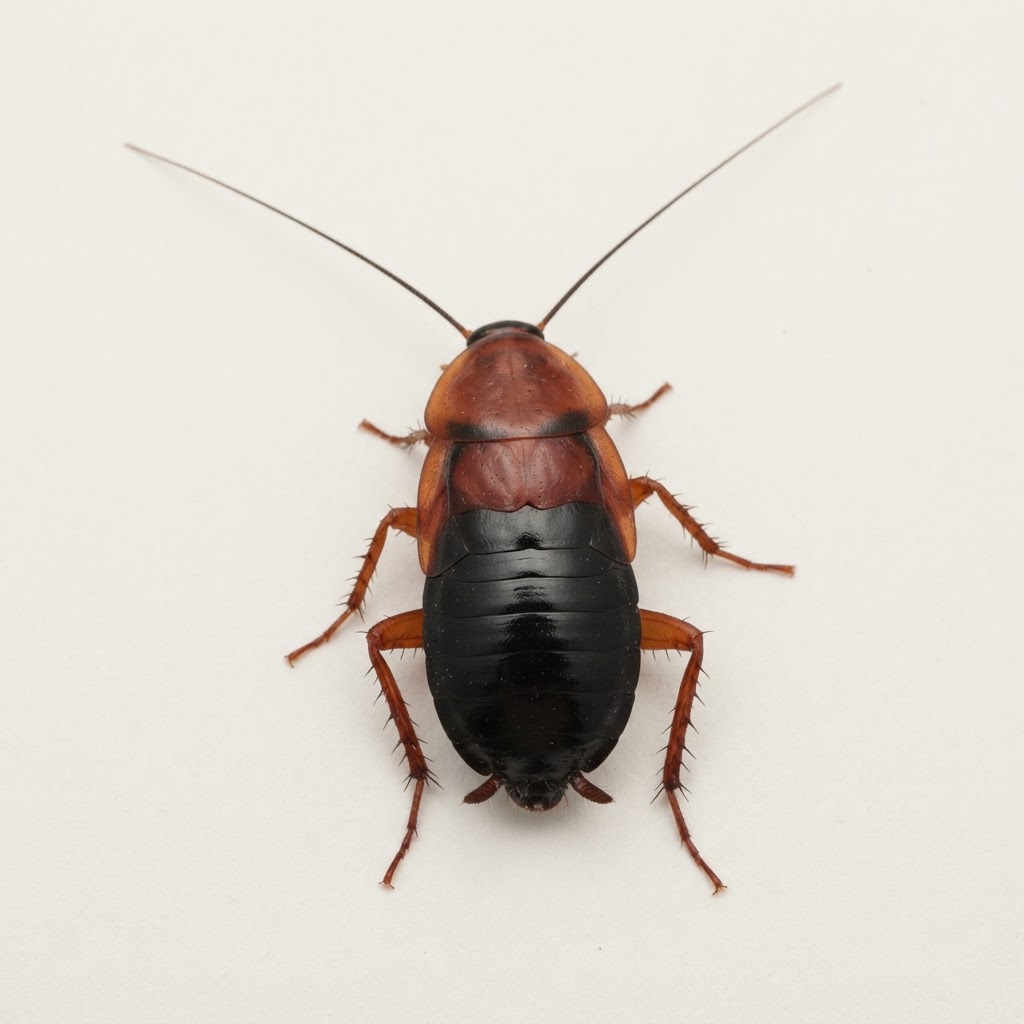 Red-headed Cockroaches
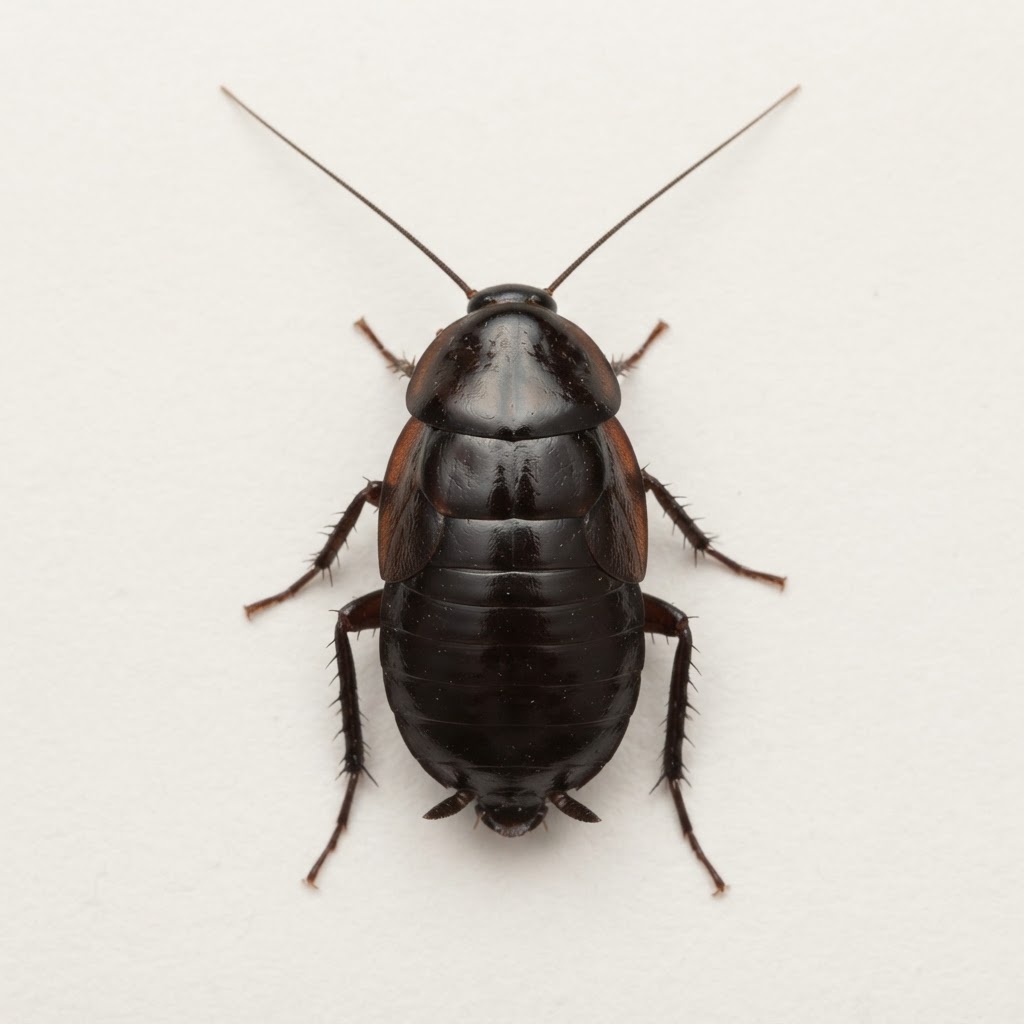 Oriental Cockroaches
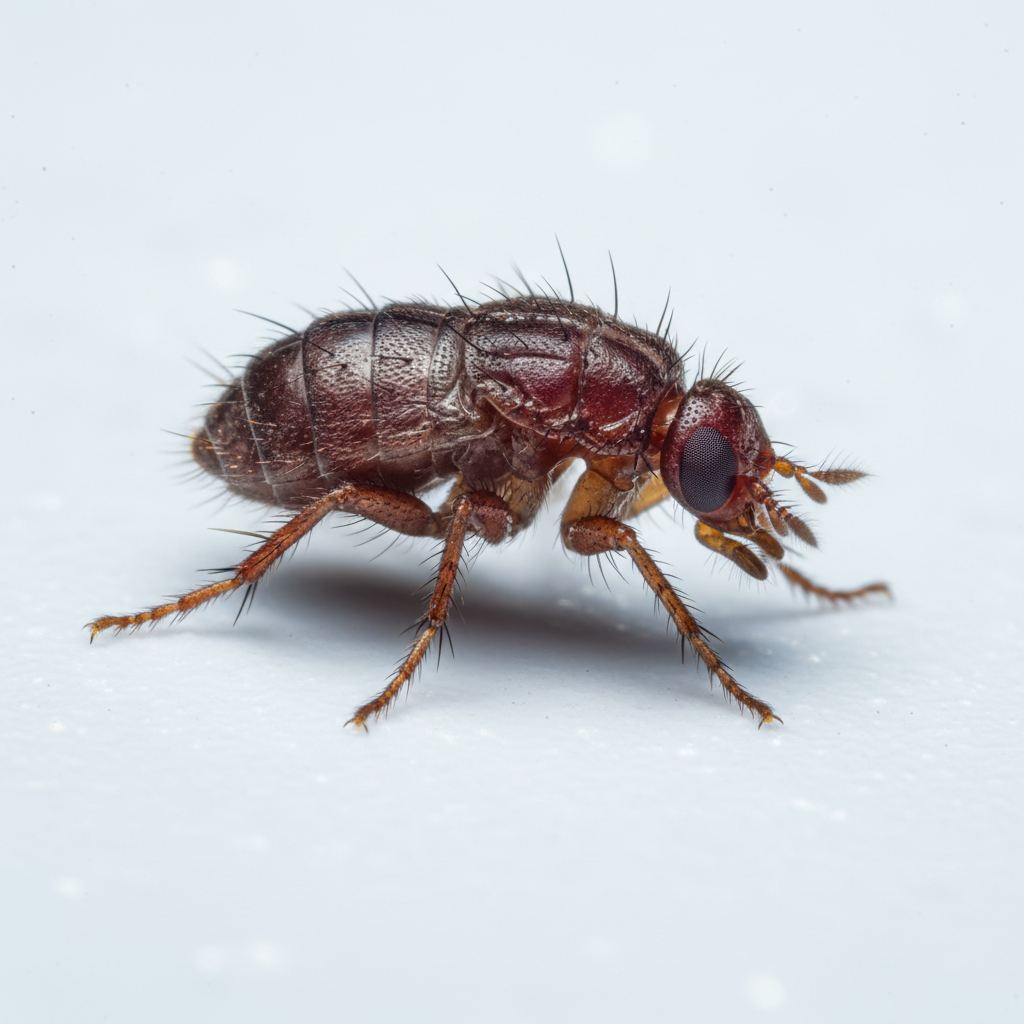 Fleas & Bed Bugs
 All Moths
 Rodents
 Spiders
 Millipedes & Centipedes
 Dune Moles
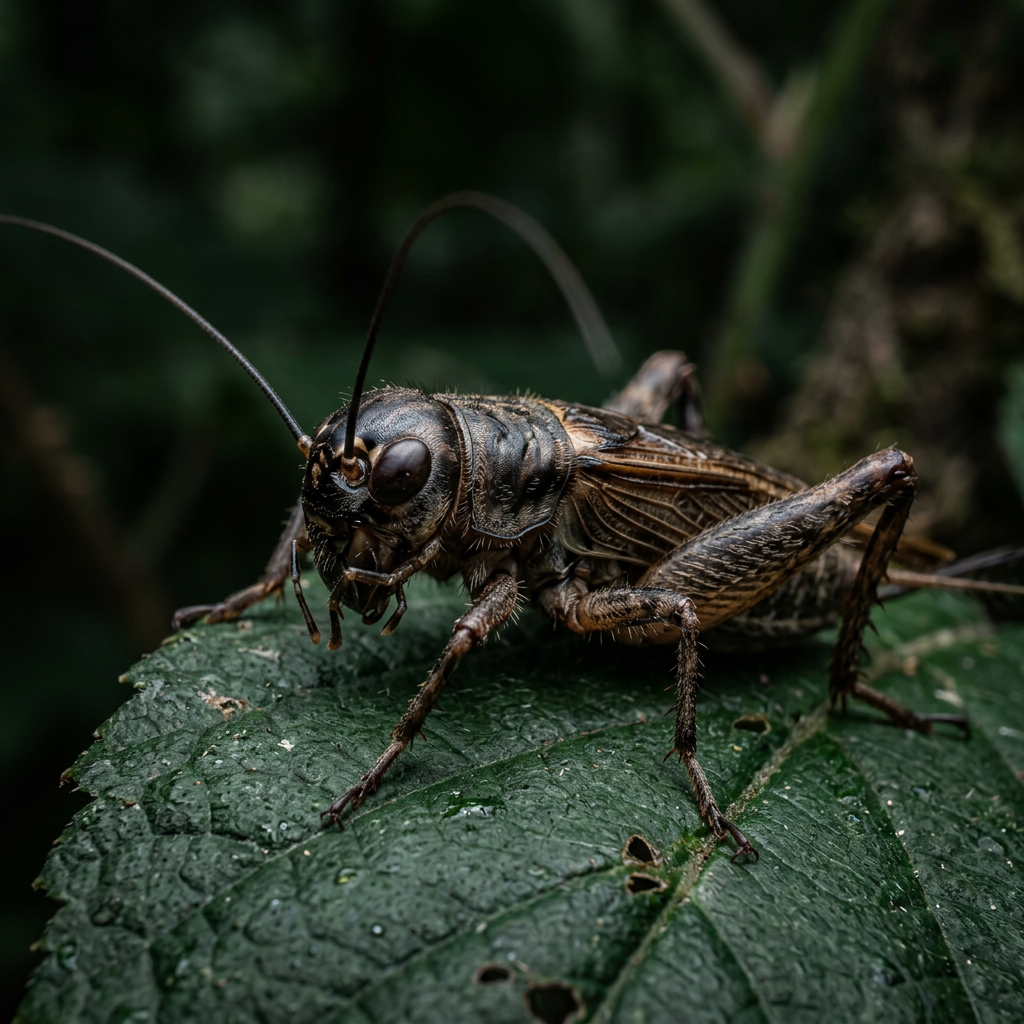 Crickets
 Bird Removal
 Snails & Slugs
 Grain & Flour Beetles
 Weevils
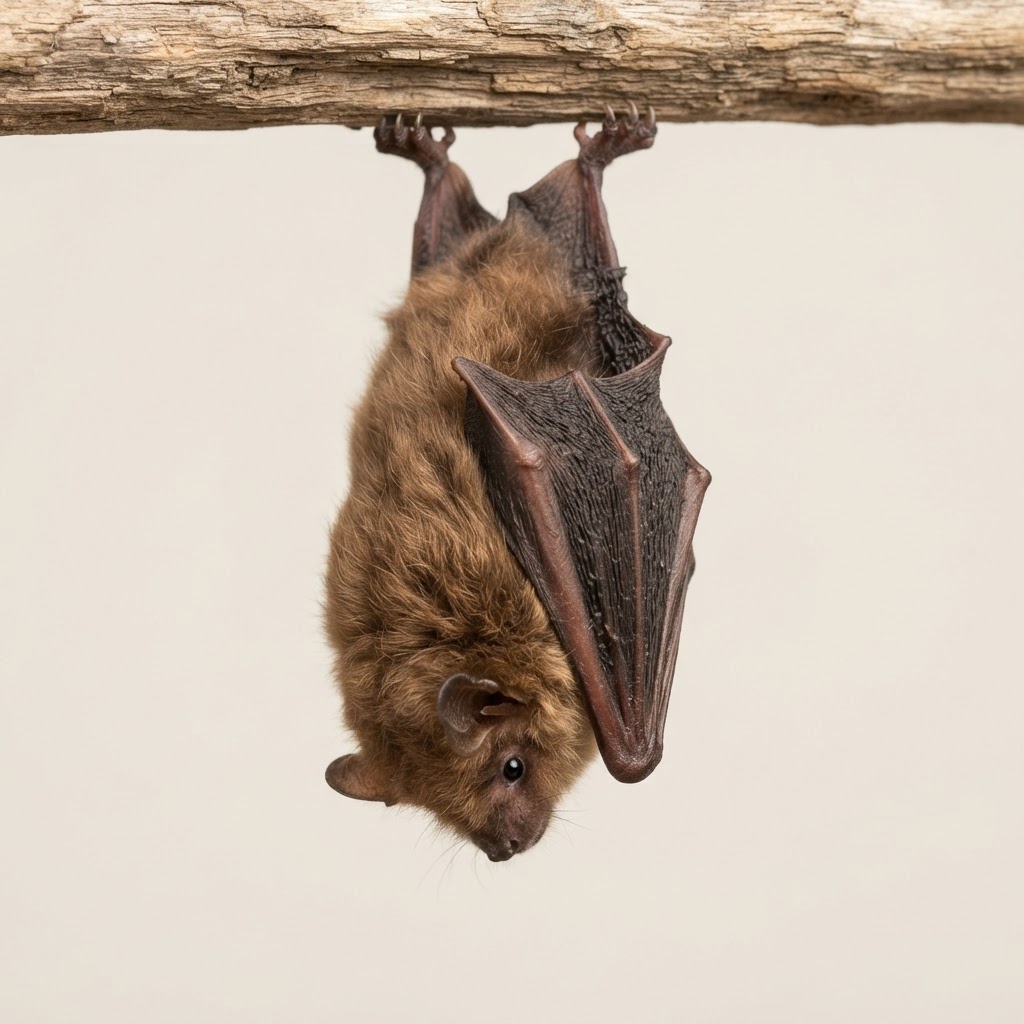 Bat Proofing
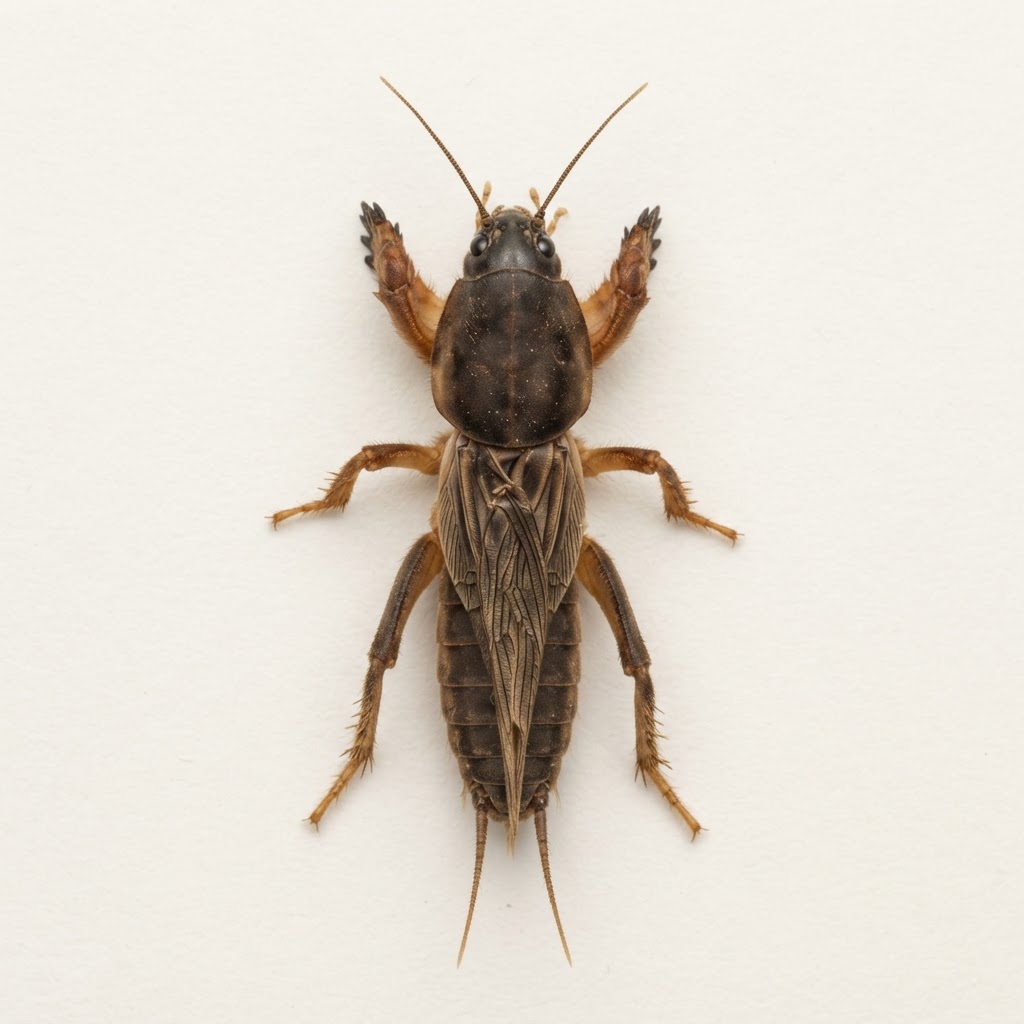 Mole Crickets
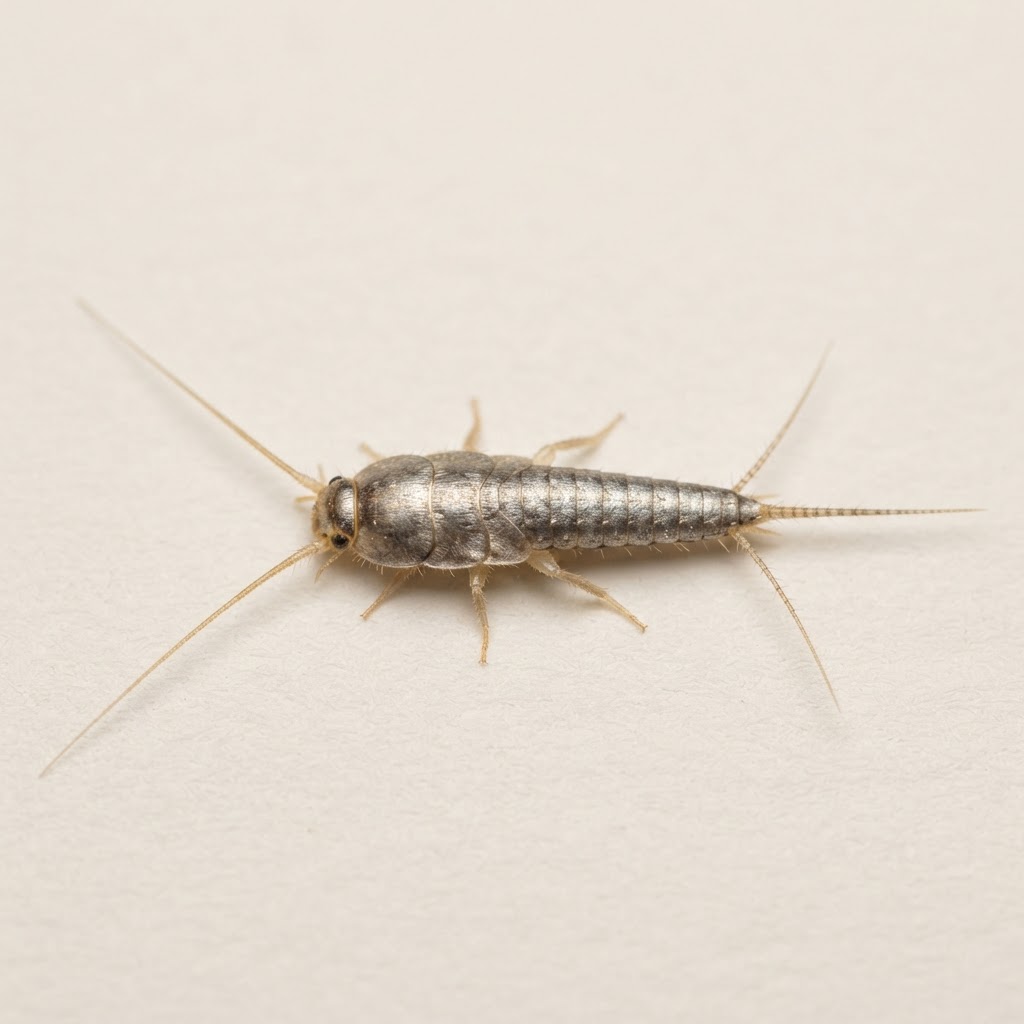 Silverfish
 Carpenter Ants
 Gecko Control
 Mosquitoes
 Harvester Termites
 General Spray