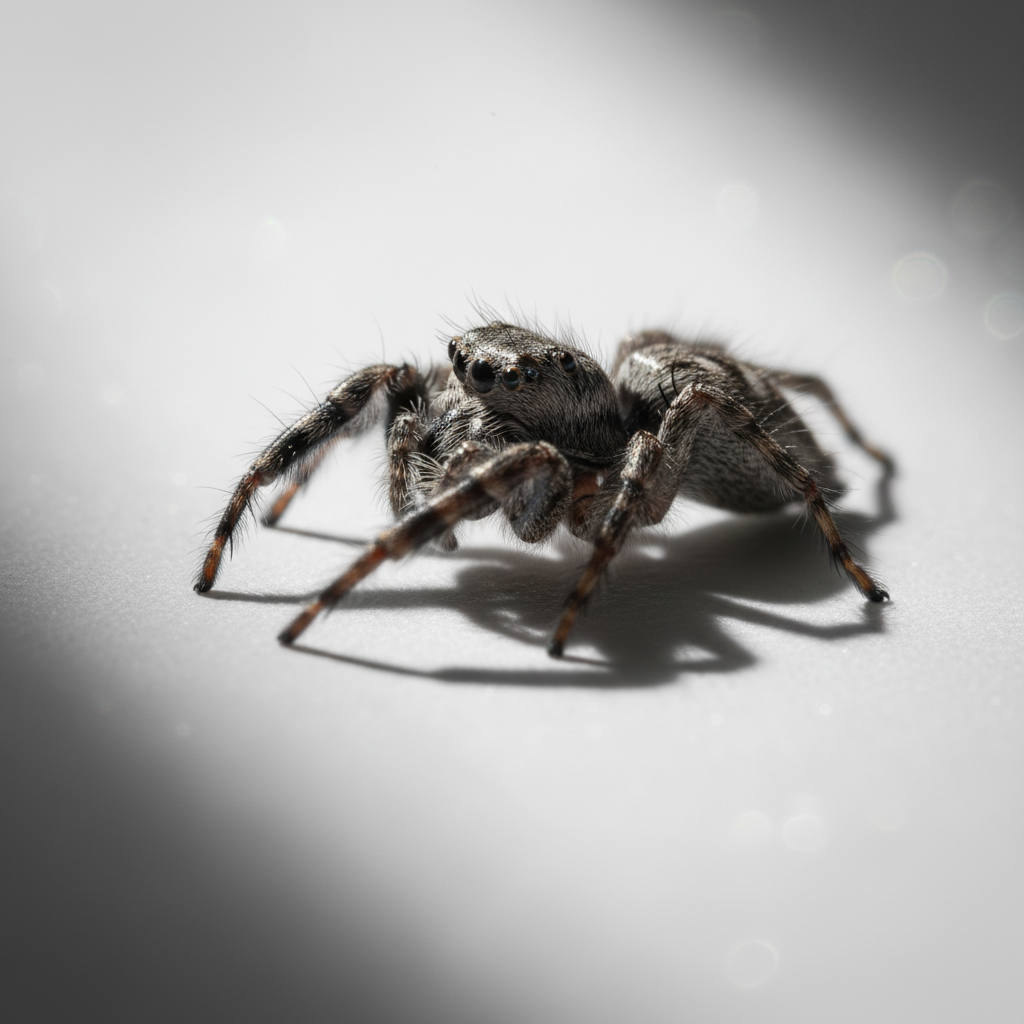
Species Profile
Spiders
Araneae (multiple families)
The Western Cape is home to several medically significant spider species. The brown button spider (Latrodectus geometricus) and the black button spider (Latrodectus indistinctus) are neurotoxic and considered medically important. The sac spider (Cheiracanthium species) is responsible for the majority of spider bites in South Africa. The baboon spider (Harpactirinae) is large but generally non-lethal.
Biology & Behaviour
Most spiders are beneficial predators that control insect populations. Medically significant species are cryptic — hiding in shoes, garden gloves, wood piles and dry plant material. Button spiders construct irregular, funnel-shaped webs close to the ground. Females are significantly more venomous than males. Latrodectus venom contains alpha-latrotoxin, causing severe pain, muscle cramps and systemic effects.
Signs of Infestation
Infestation Indicators
Irregular, tangled webs in corners, under furniture or in garden structures
Egg sacs (round, silken balls) attached to webs or surfaces
Button spider webs with funnel entrance near ground level
Shed exoskeletons near web sites
Spider sightings, particularly in dark, undisturbed areas
Clinical Organicism Protocol
Remediation Protocol
The Eco Pestelence 4-phase intervention methodology, calibrated specifically for spiders.
Detection
Systematic inspection of all known button spider microhabitats — rockeries, wood piles, compost bins, garden walls and outbuildings. Mapping of all active web sites and egg sac locations.
Isolation
Safe removal and off-site disposal of all egg sacs from medically significant species. Garden clearance advisory — removal of debris harborage sites. Footwear and garden glove safety protocol issued.
Neutralization
Physical web and egg sac removal throughout the property. Residual pyrethrin treatment applied to confirmed harborage zones and building perimeter. Targeted application only — no broadcast treatment to preserve beneficial spider populations.
10-Day Elimination Programme
The initial treatment eliminates active pests while eggs continue hatching over the following days — newly hatched pests contact the residual treatment, progressively clearing the infestation within ~10 days.
Shielding
Quarterly perimeter treatment for high-risk properties. Web monitoring during seasonal peaks (summer). Garden design consultation to reduce ideal button spider habitat near human activity zones.
Eco Commitment
The vast majority of spider species are beneficial. Our protocol targets only medically significant species, actively preserving the broader spider community as part of natural pest control in the garden ecosystem.
Concerned about spiders? Request a professional assessment.
Request Spiders AssessmentBack to EncyclopediaOther Species
 Ants
 American Cockroaches
 German Cockroaches
 Wasps
 Red-headed Cockroaches
 Oriental Cockroaches
 Fleas & Bed Bugs
 All Moths
 Rodents
 Millipedes & Centipedes
 Dune Moles
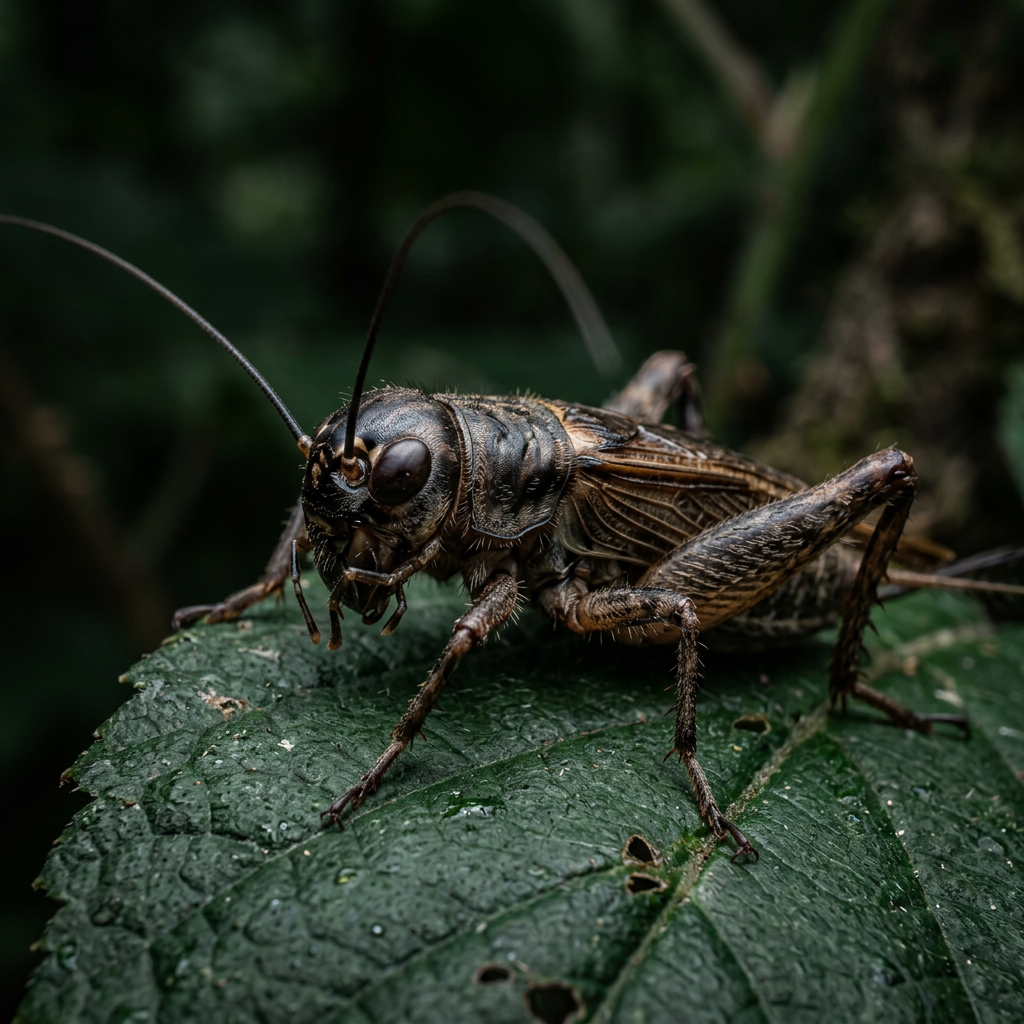 Crickets
 Bird Removal
 Snails & Slugs
 Grain & Flour Beetles
 Weevils
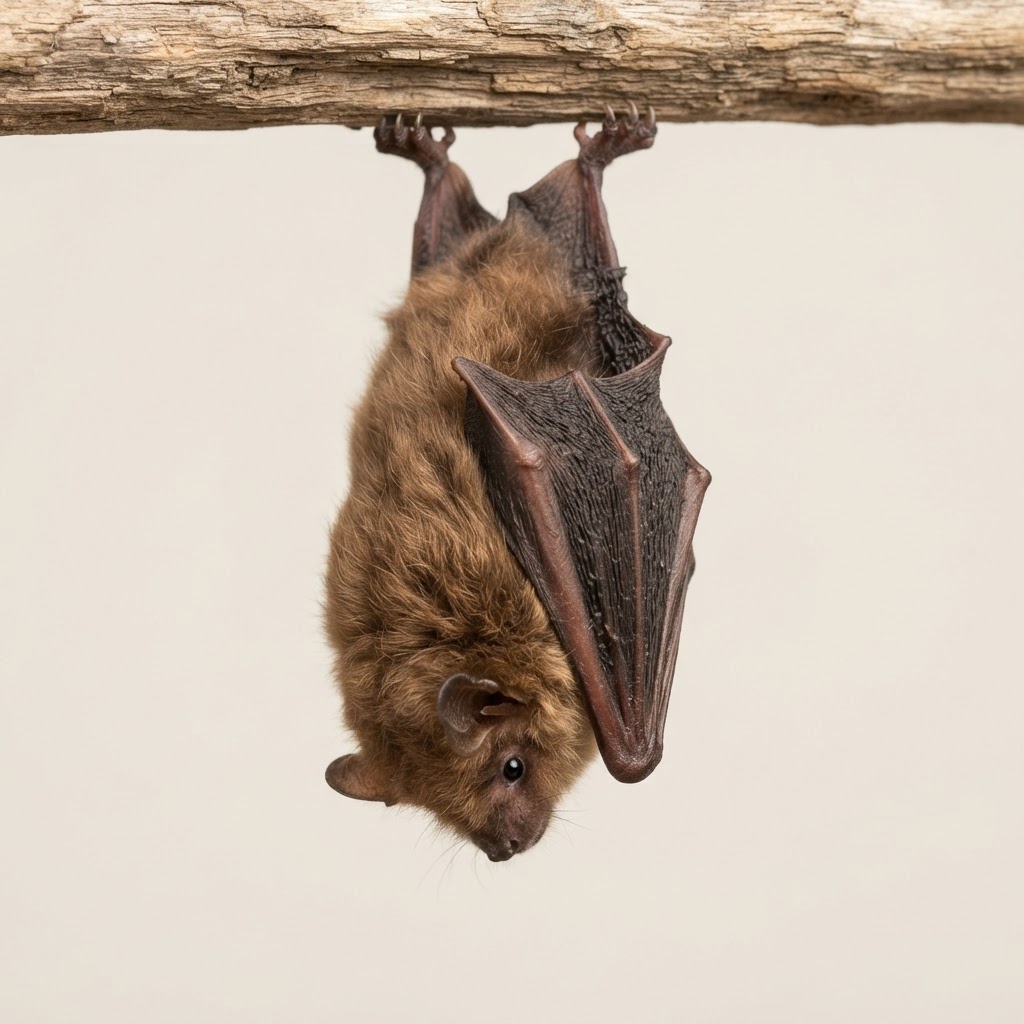 Bat Proofing
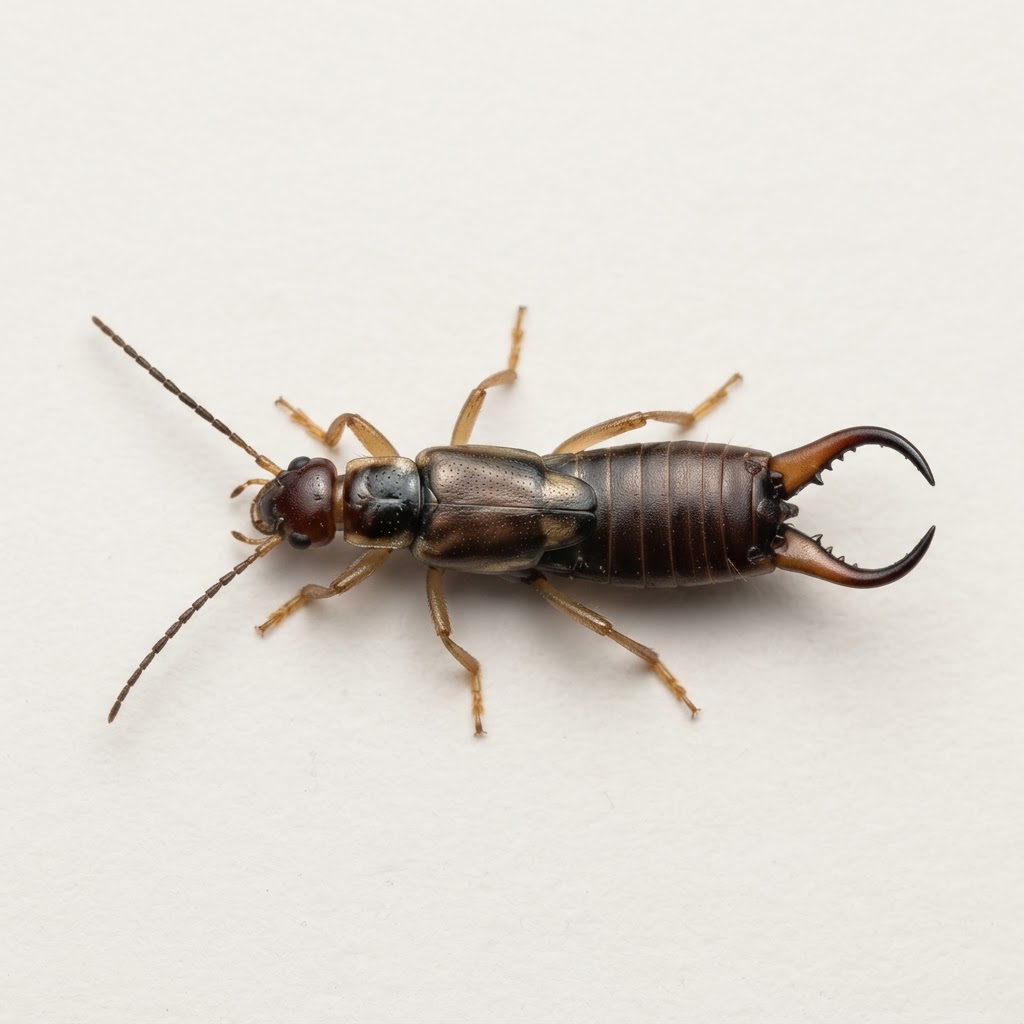 Earwigs
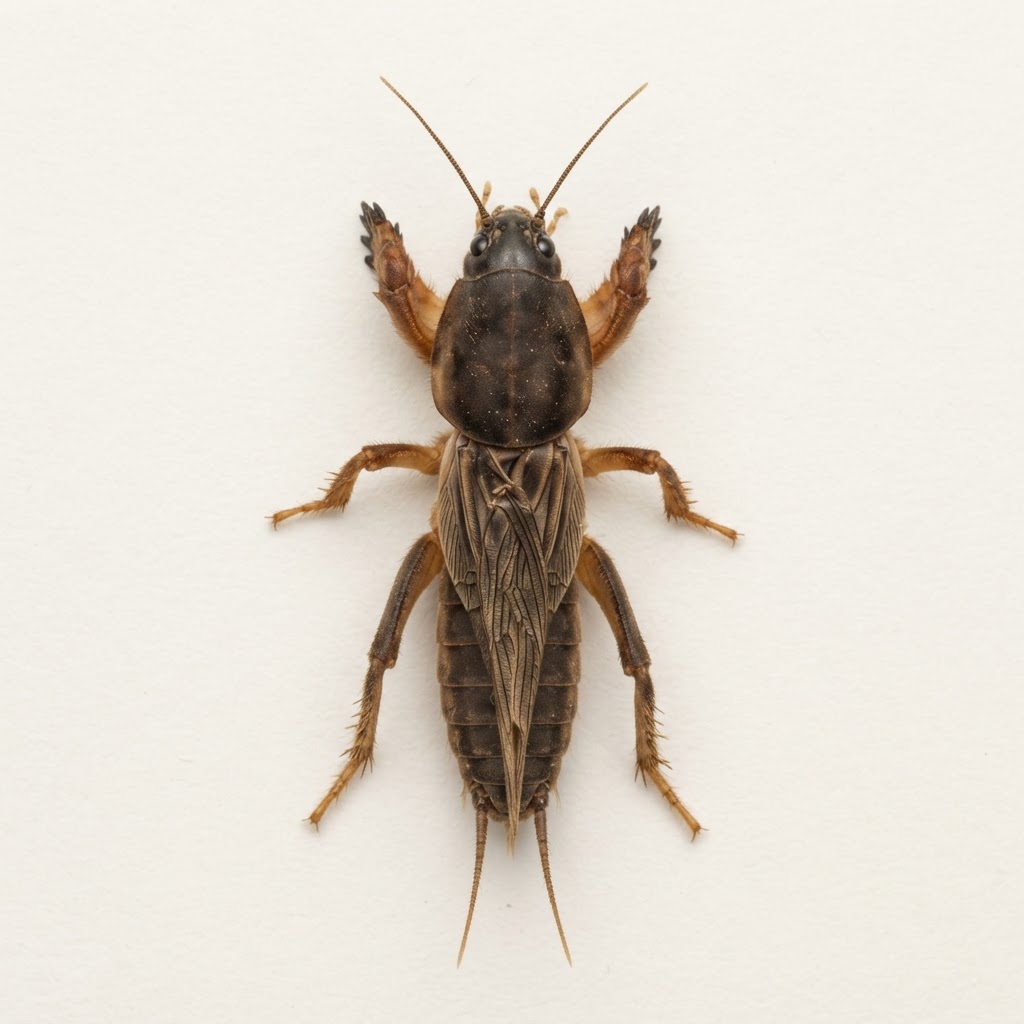 Mole Crickets
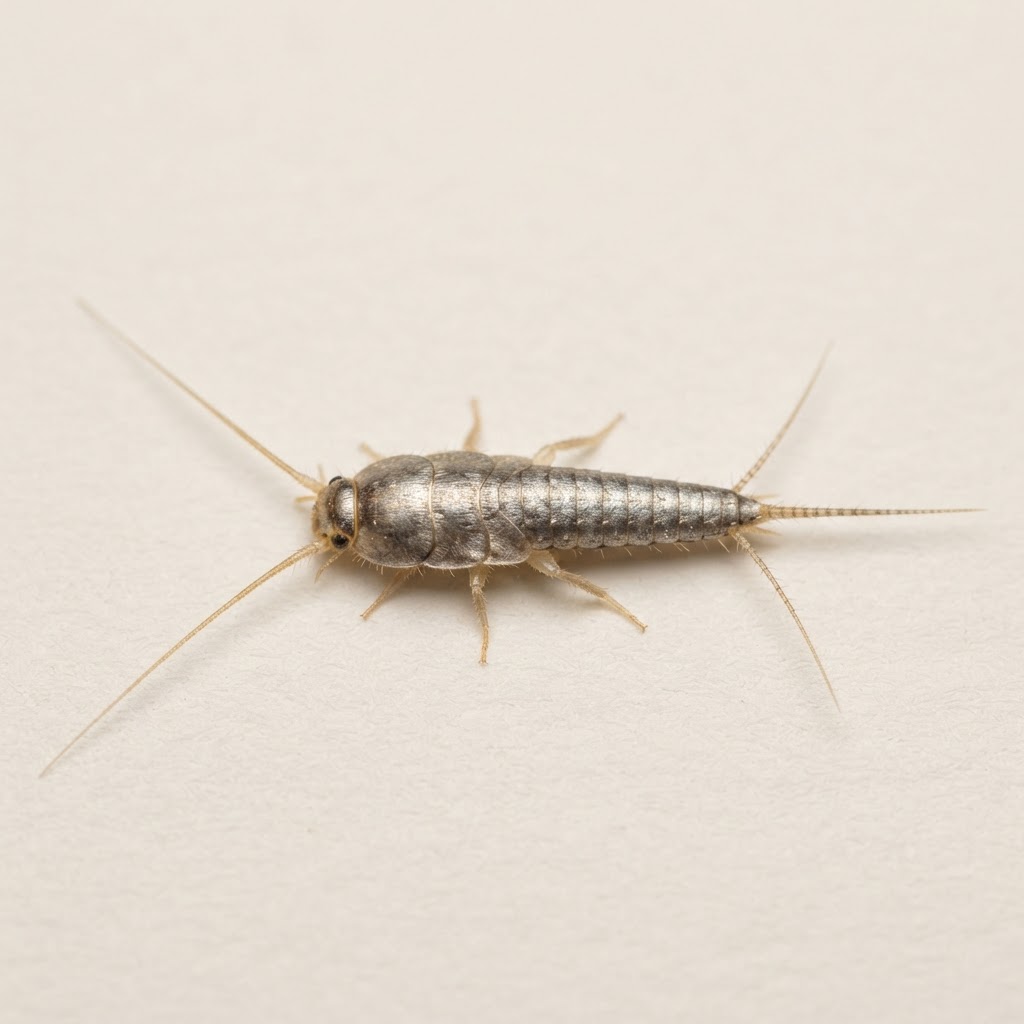 Silverfish
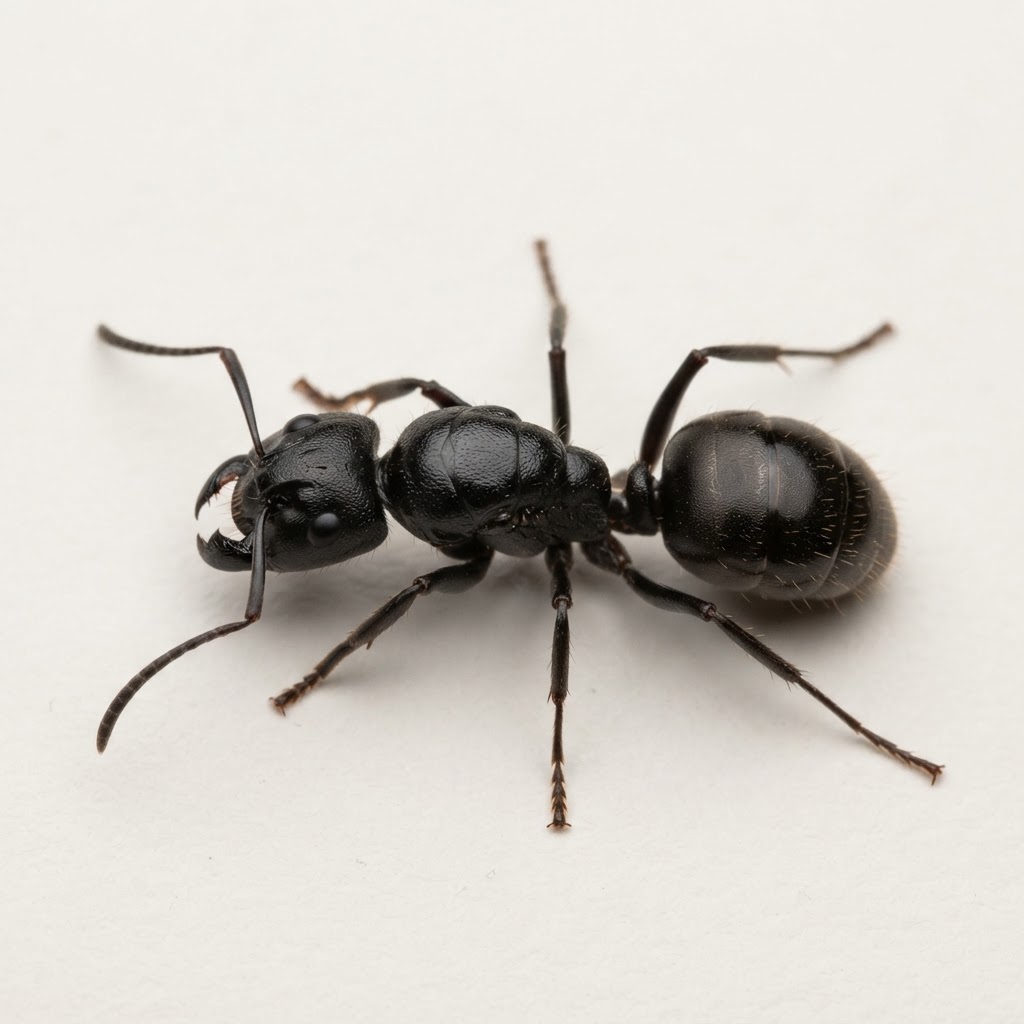 Carpenter Ants
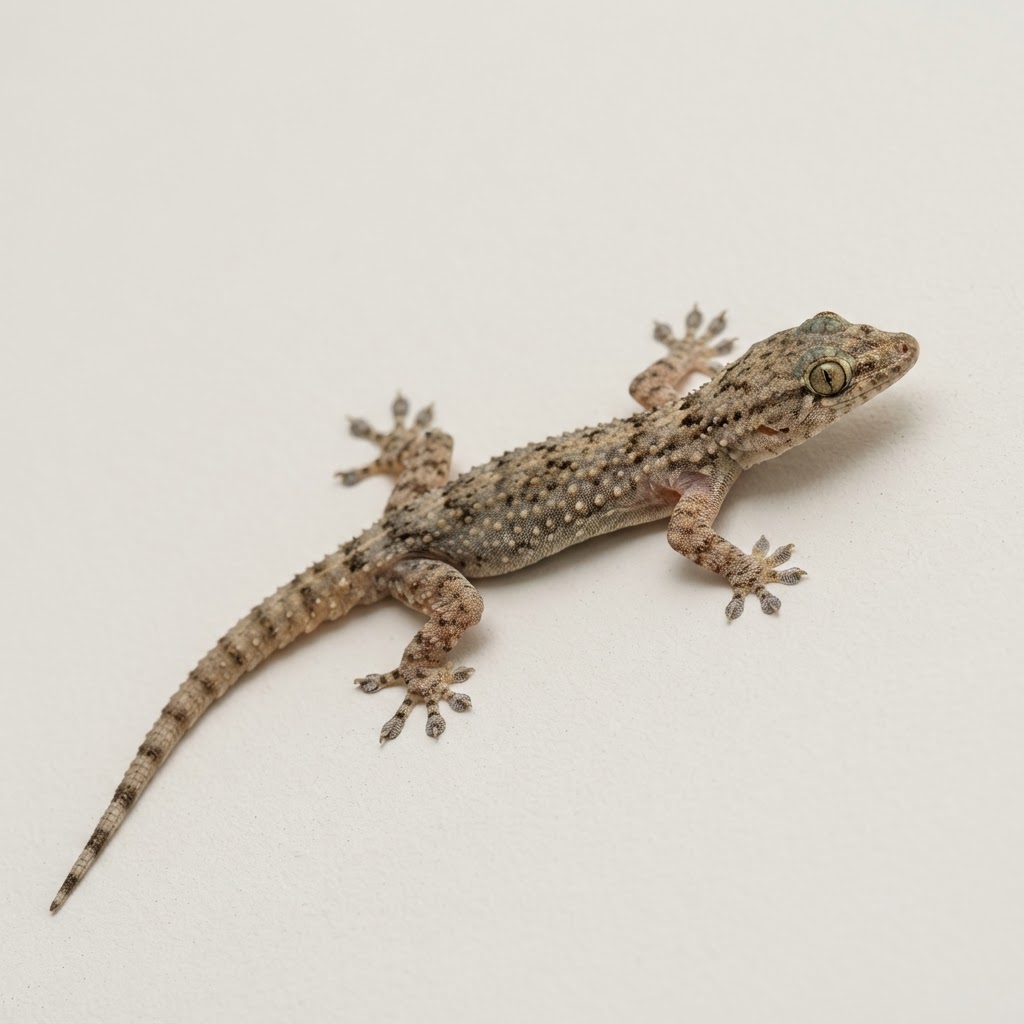 Gecko Control
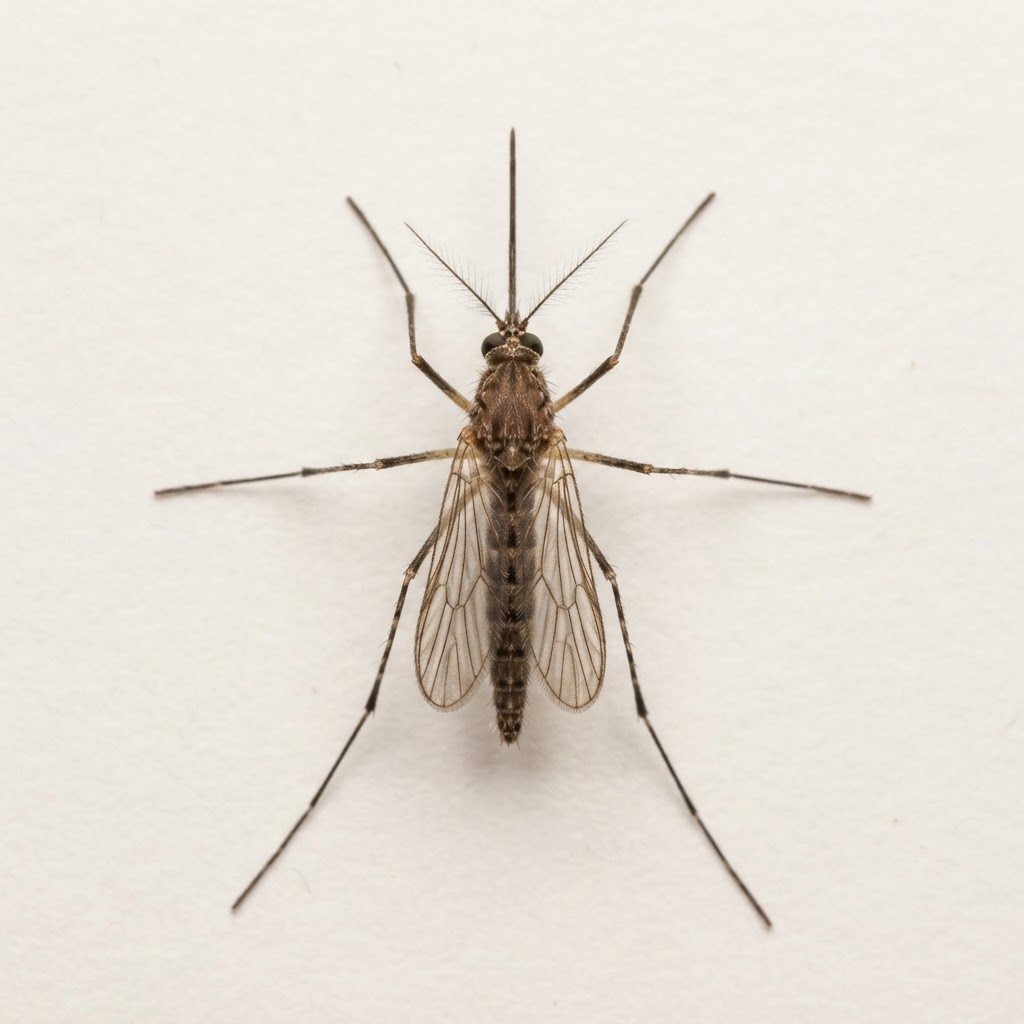 Mosquitoes
 Harvester Termites
 General Spray