Species Profile
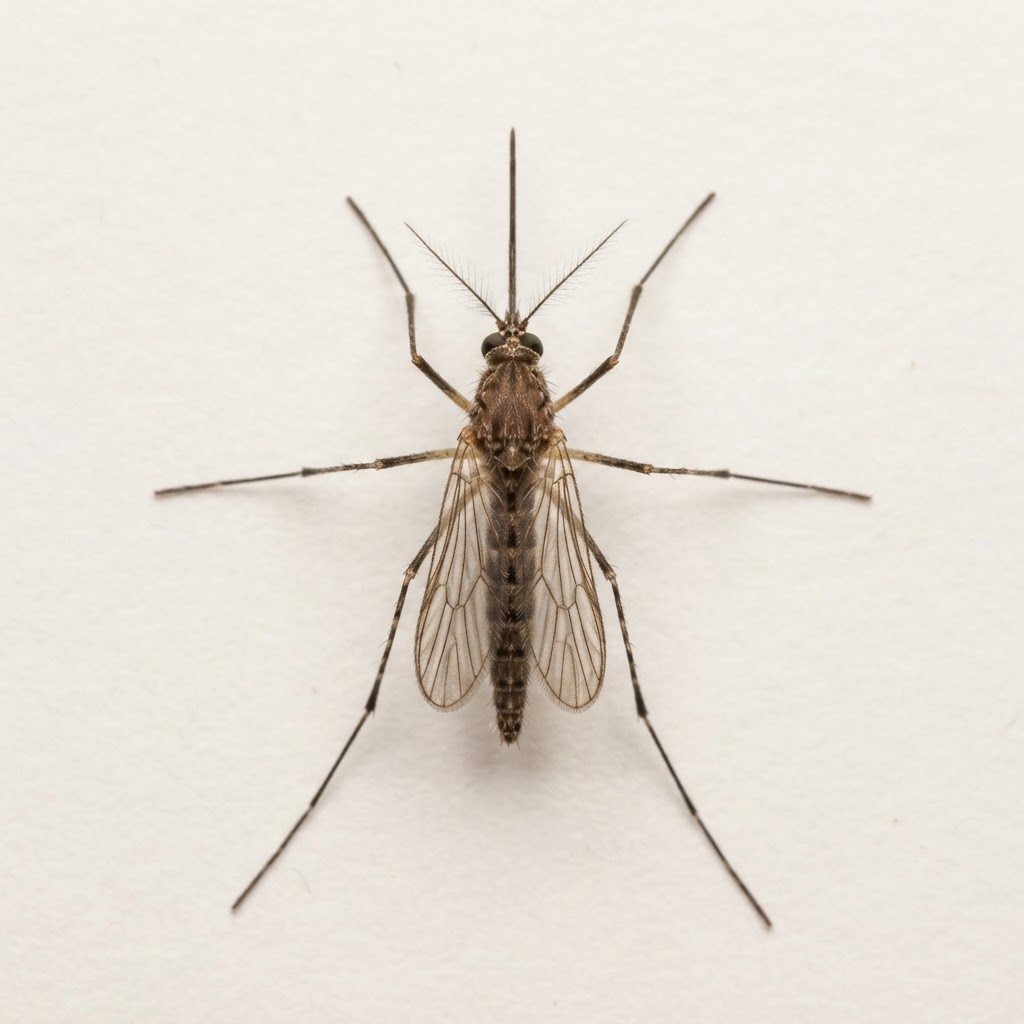
Mosquitoes
Culex & Aedes spp.
Mosquitoes are among the most significant pest species in the Western Cape, particularly during warm, wet months. Common species include Culex mosquitoes (night-biting) and Aedes mosquitoes (day-biting). They breed in standing water and can transmit diseases including West Nile virus and Rift Valley fever. Beyond disease risk, their persistent biting causes significant discomfort and outdoor activity disruption.
Biology & Behaviour
Mosquitoes require standing water to breed — even small quantities in gutters, plant saucers, bird baths or discarded containers. Females lay 100–300 eggs on the water surface. Larvae (wigglers) develop in water, pupate, and emerge as adults in 7–14 days. Only females bite — they require blood protein for egg development. Mosquitoes are most active at dawn and dusk, navigating by CO2, body heat and lactic acid.
Signs of Infestation
Infestation Indicators
Mosquitoes visible resting on walls, ceilings and shaded vegetation during the day
Persistent biting activity, particularly at dawn and dusk
Itchy, red welts on exposed skin — Culex bites often in clusters
Larvae (wigglers) visible in standing water around the property
High-pitched whining sound near ears at night
Clinical Organicism Protocol
Remediation Protocol
The Eco Pestelence 4-phase intervention methodology, calibrated specifically for mosquitoes.
Detection
Property survey for all standing water sources — gutters, drains, plant saucers, water features and low-lying ground. Larval sampling in identified water sources. Species identification to determine peak activity times and disease risk.
Isolation
Elimination of all unnecessary standing water sources. Gutters and drains cleared. Water features treated with mosquito dunks (BTI — biological larvicide). Window and door fly screens installed or repaired.
Neutralization
BTI larvicide dunks applied to permanent water sources — biological control targeting mosquito larvae only. Residual barrier spray to exterior vegetation and shaded resting zones. Ultra-low-volume fogging for high-density adult populations in outdoor entertainment areas.
10-Day Elimination Programme
The initial treatment eliminates active pests while eggs continue hatching over the following days — newly hatched pests contact the residual treatment, progressively clearing the infestation within ~10 days.
Shielding
Seasonal treatment programme — pre-summer and post-rainfall applications. Permanent water source monitoring with BTI dunks. Fly screen and exclusion maintenance. Outdoor lighting management — yellow bulbs attract fewer insects.
Eco Commitment
BTI (Bacillus thuringiensis israelensis) is our primary larvicide — a biological control that targets only mosquito larvae with zero impact on birds, fish, pets or beneficial insects. We avoid broad-spectrum adulticides wherever possible.
Concerned about mosquitoes? Request a professional assessment.
Request Mosquitoes AssessmentBack to EncyclopediaOther Species
 Ants
 American Cockroaches
 German Cockroaches
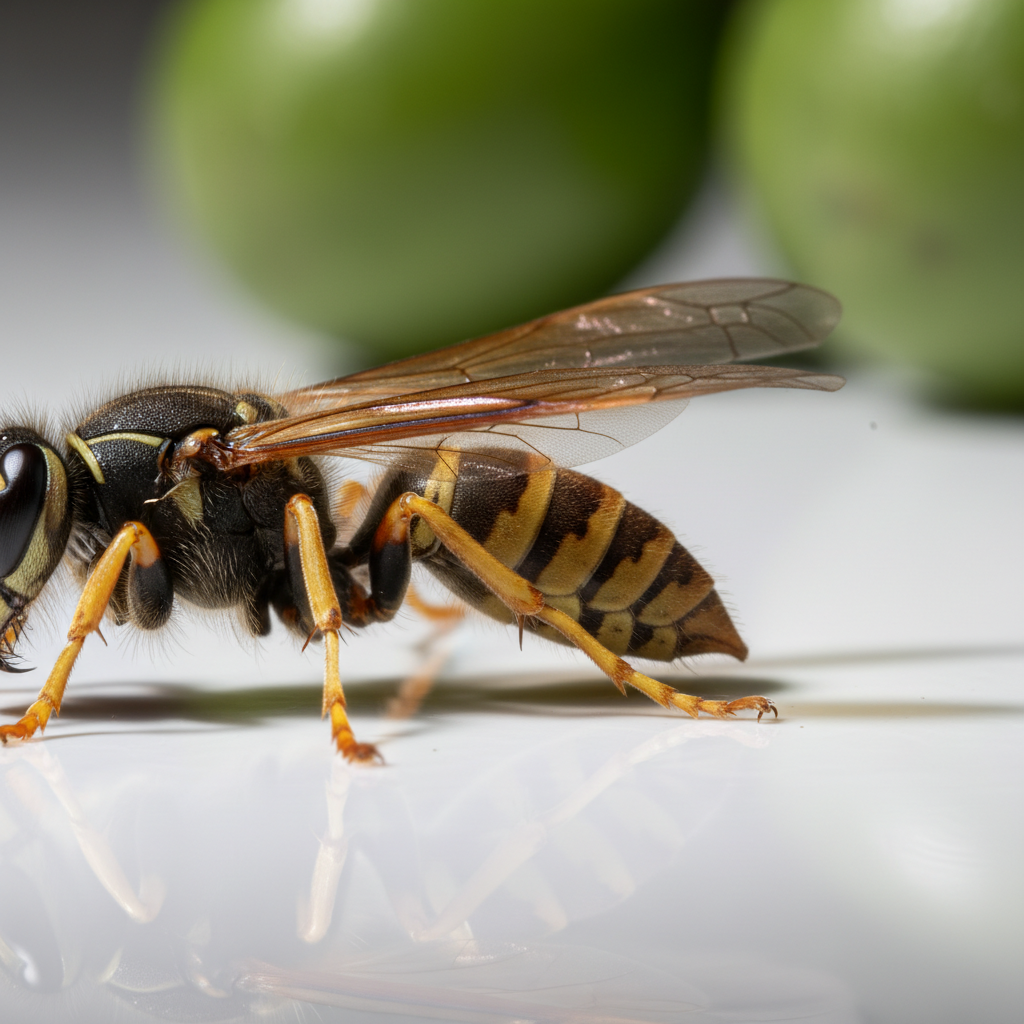 Wasps
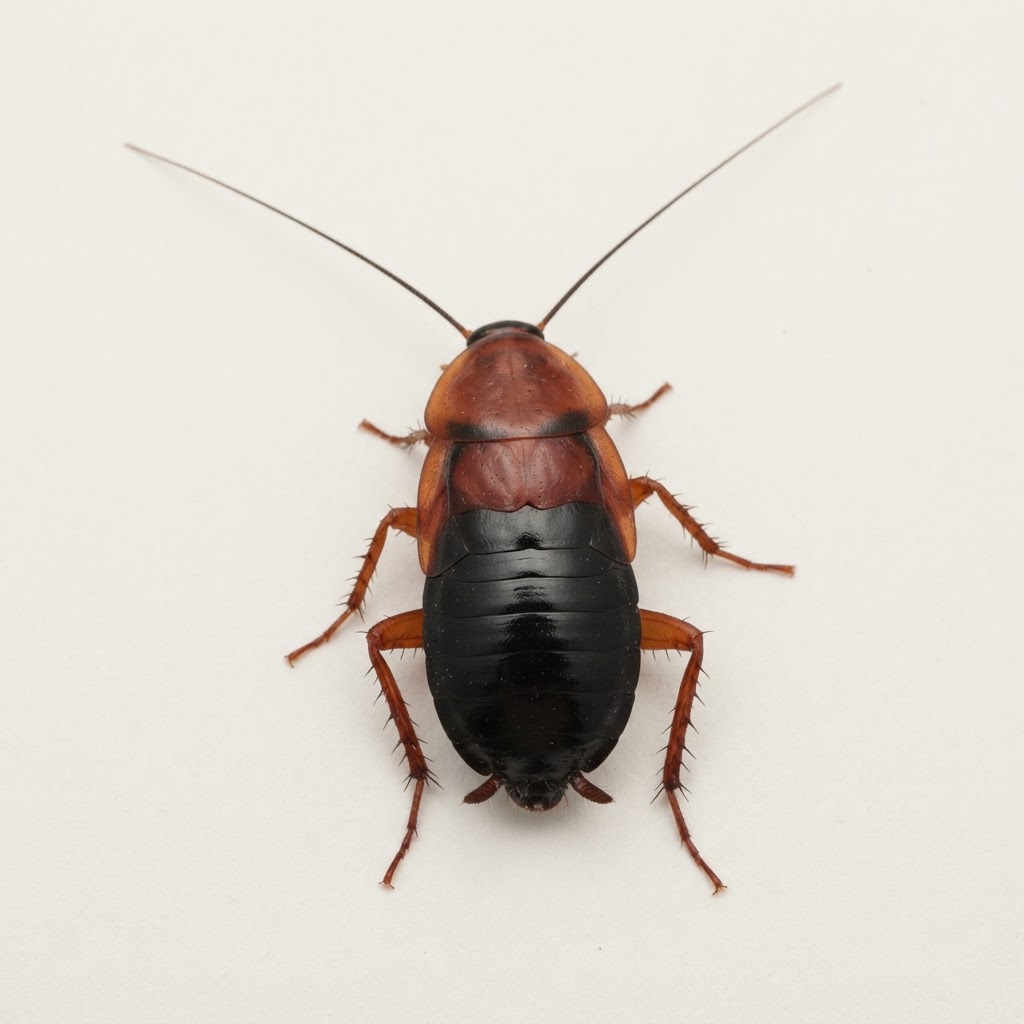 Red-headed Cockroaches
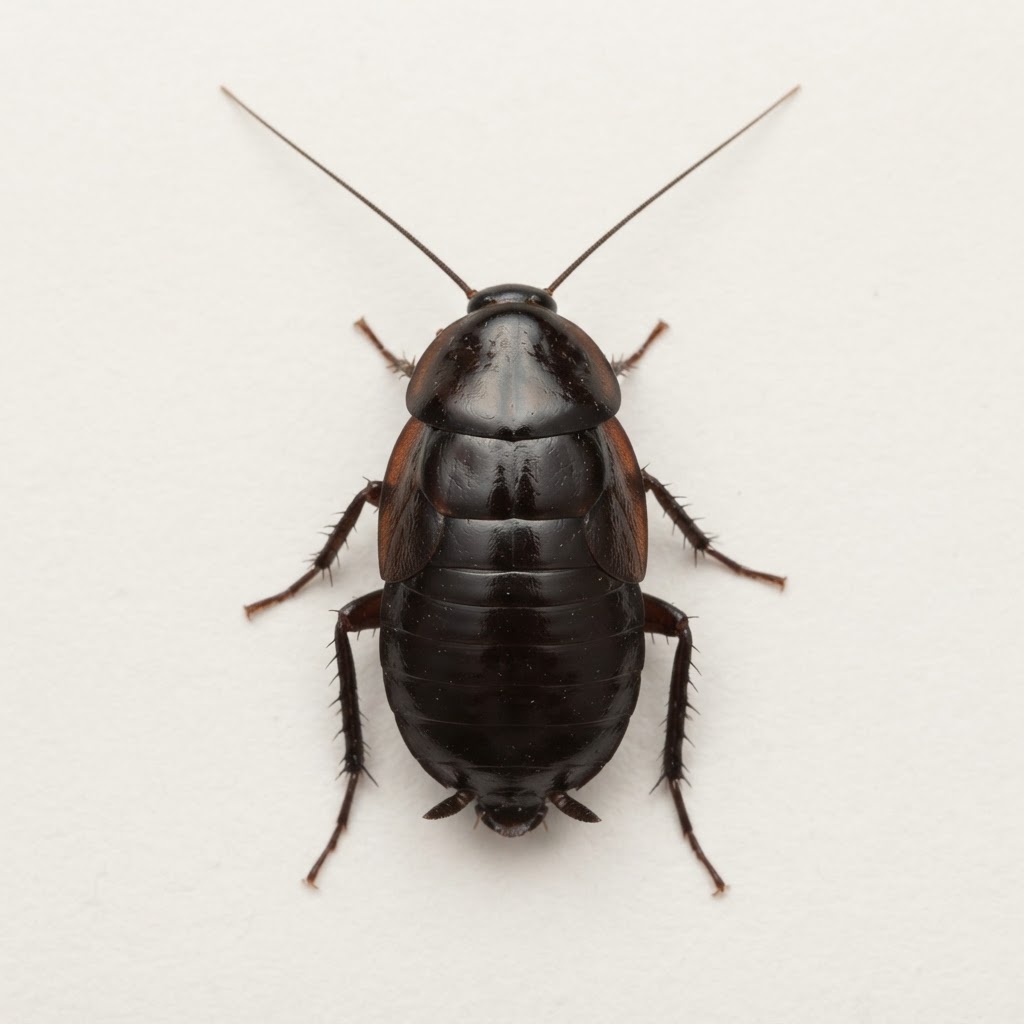 Oriental Cockroaches
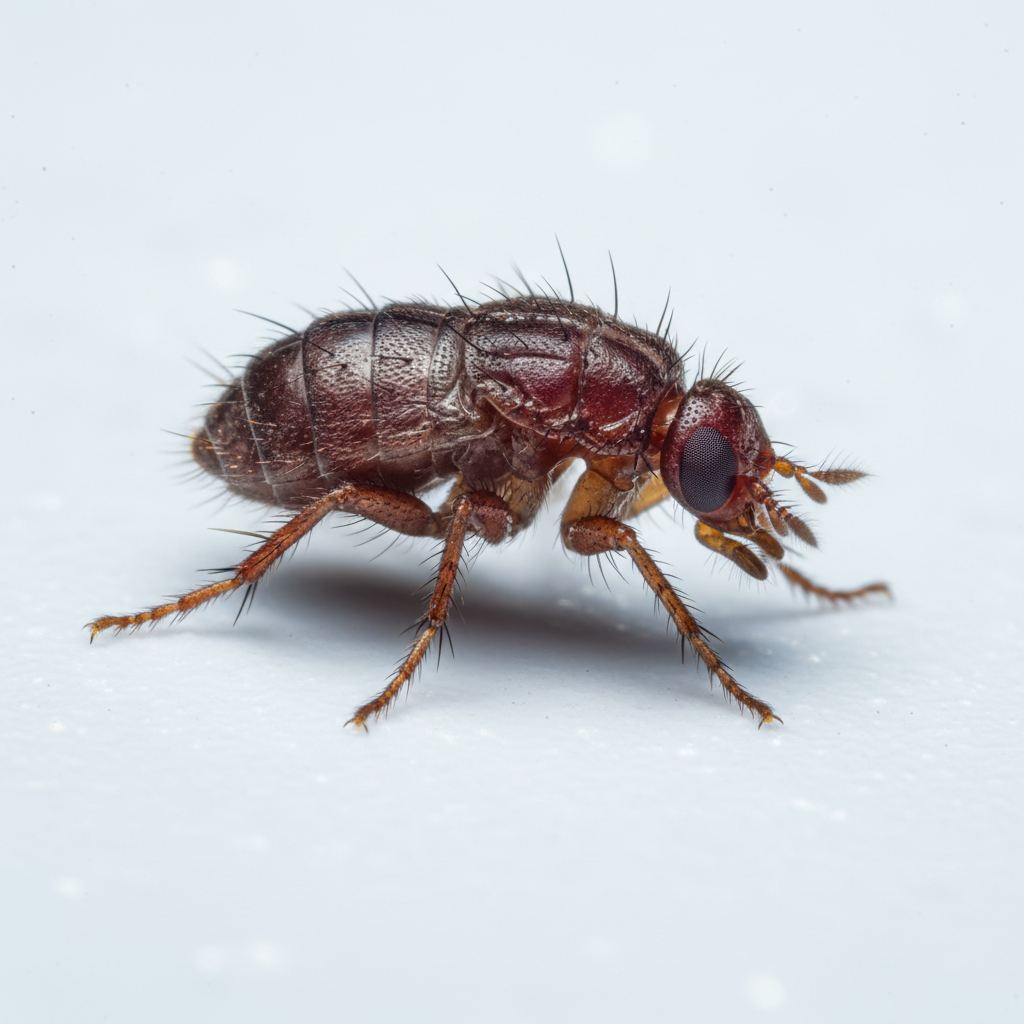 Fleas & Bed Bugs
 All Moths
 Rodents
 Spiders
 Millipedes & Centipedes
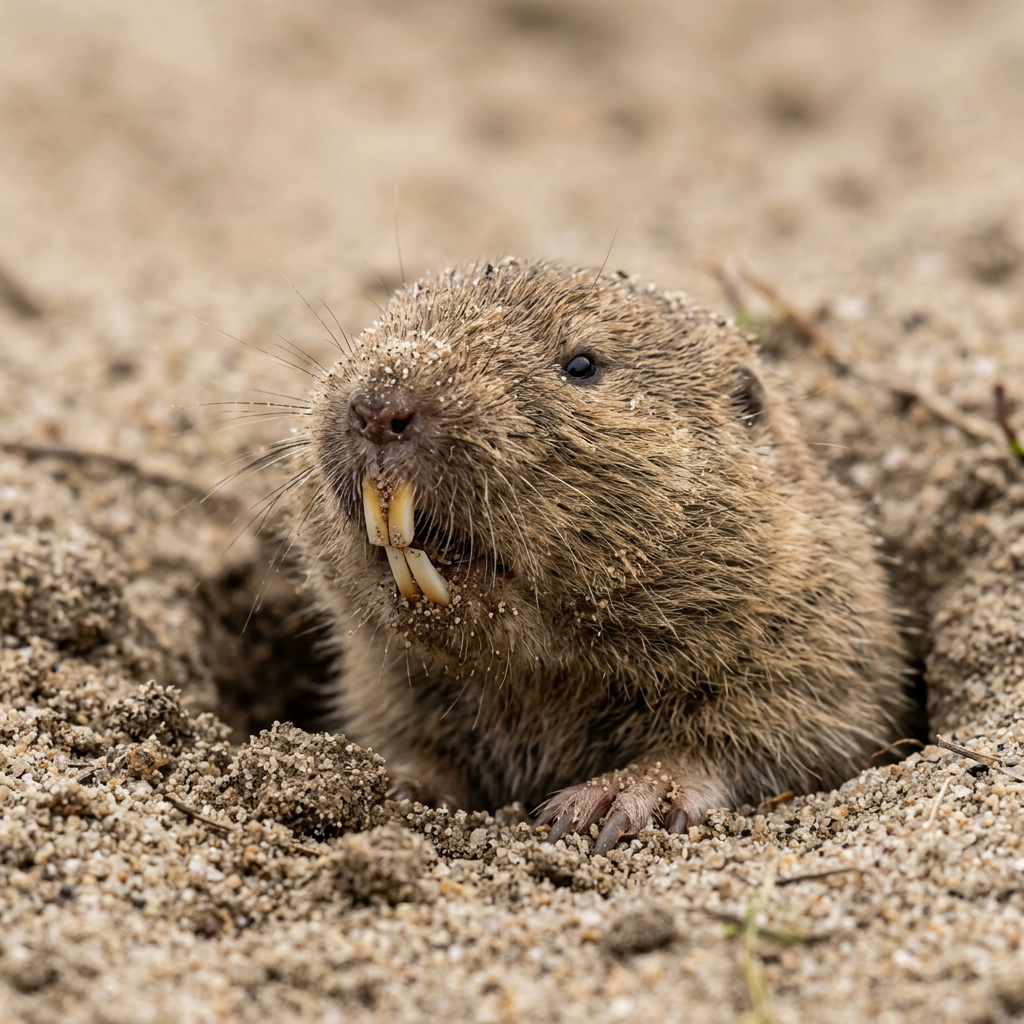 Dune Moles
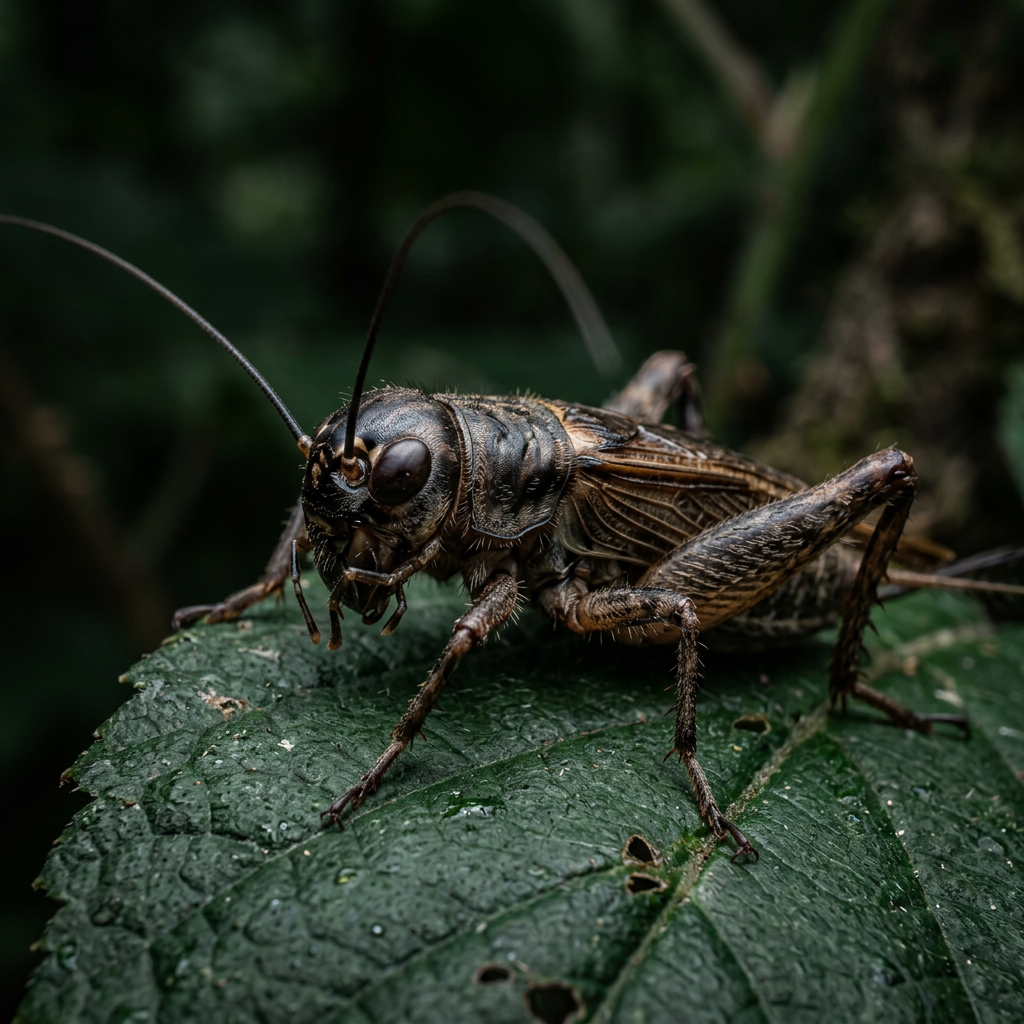 Crickets
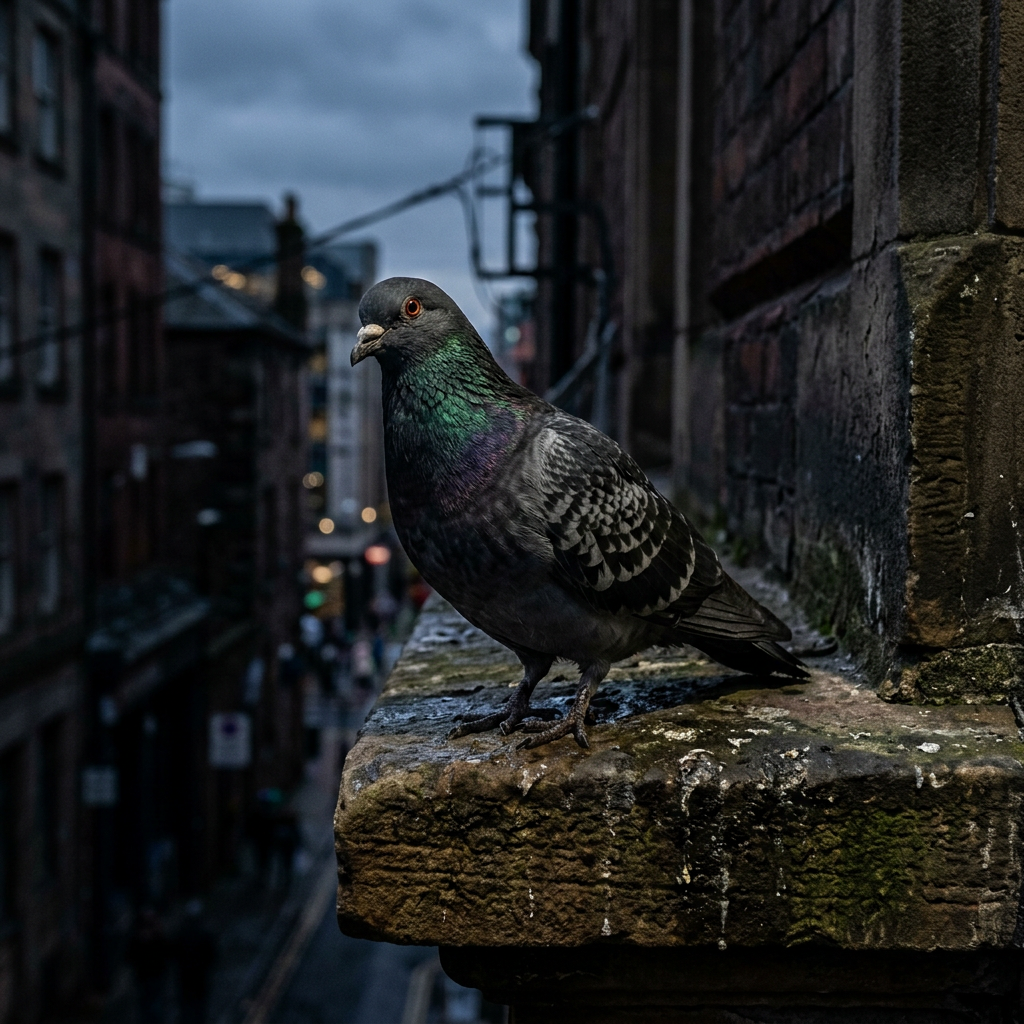 Bird Removal
 Snails & Slugs
 Grain & Flour Beetles
 Weevils
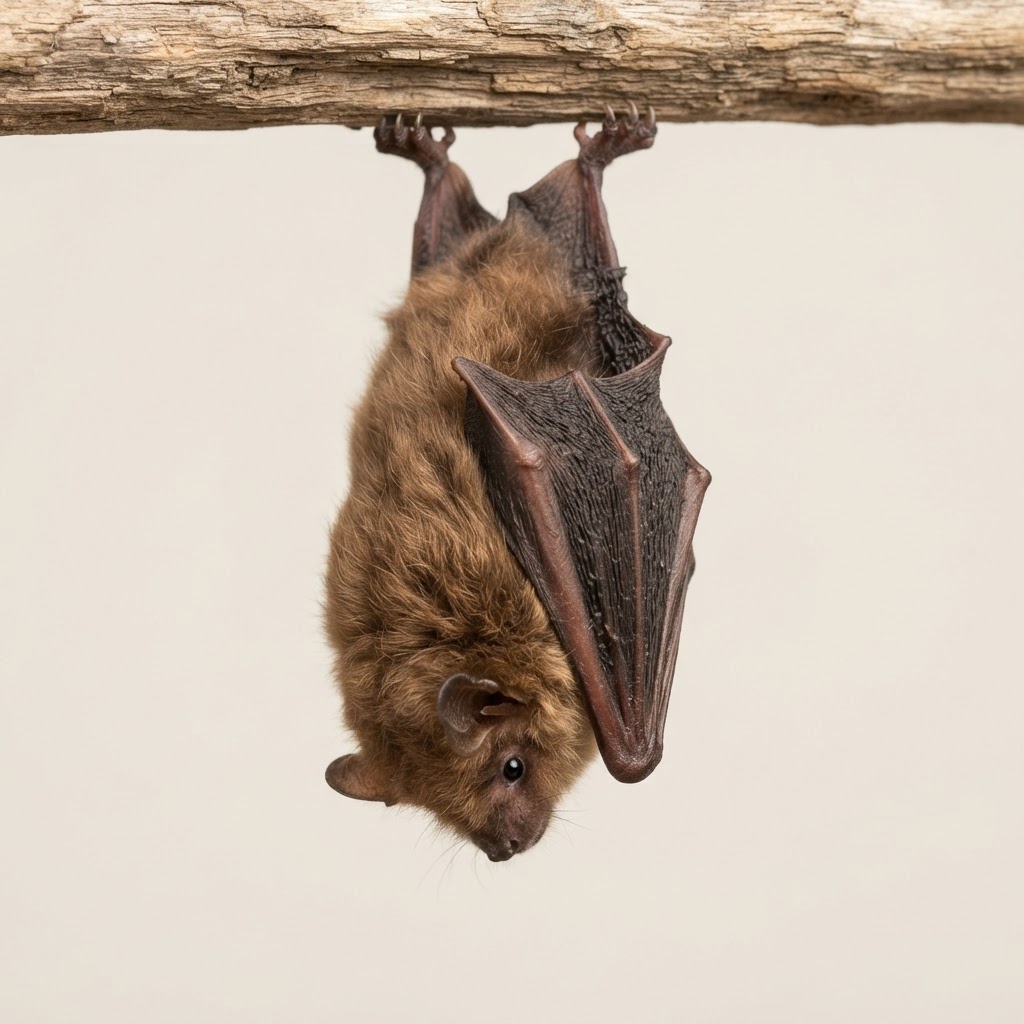 Bat Proofing
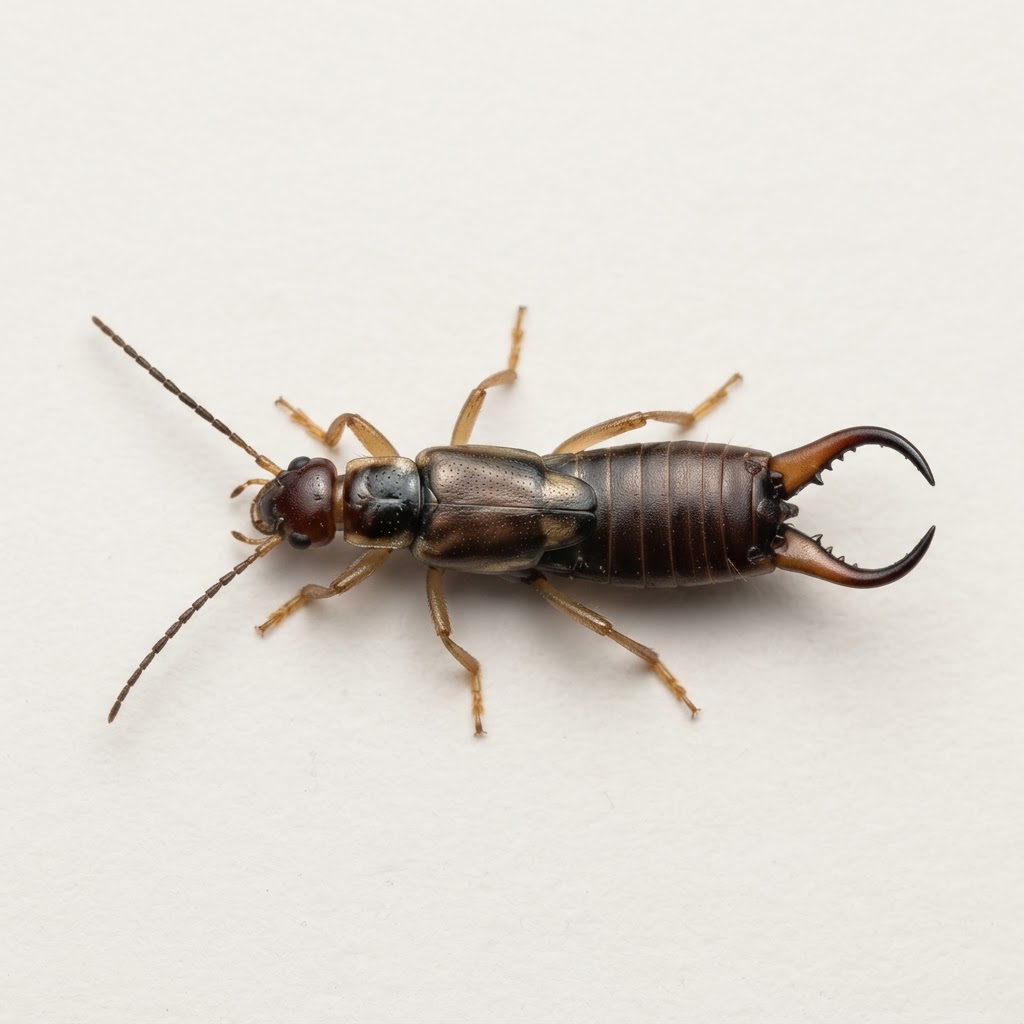 Earwigs
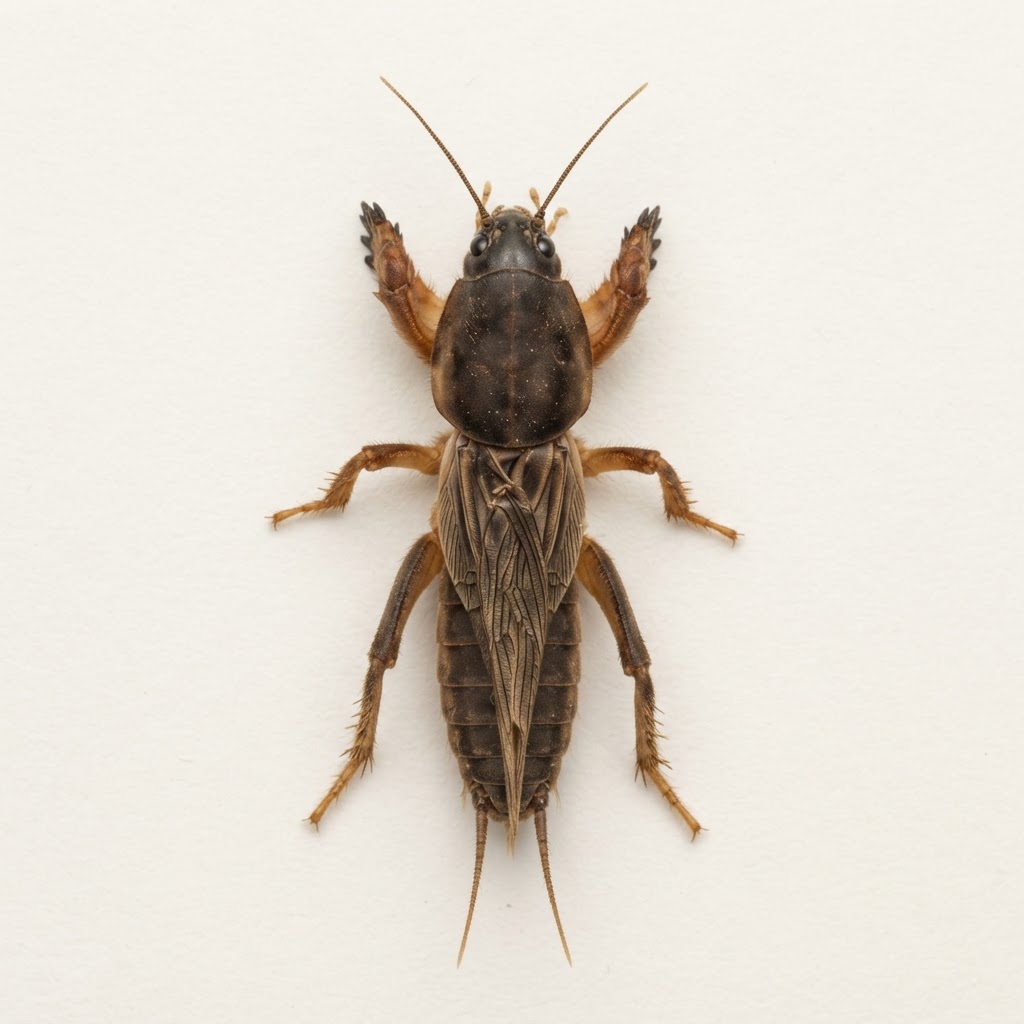 Mole Crickets
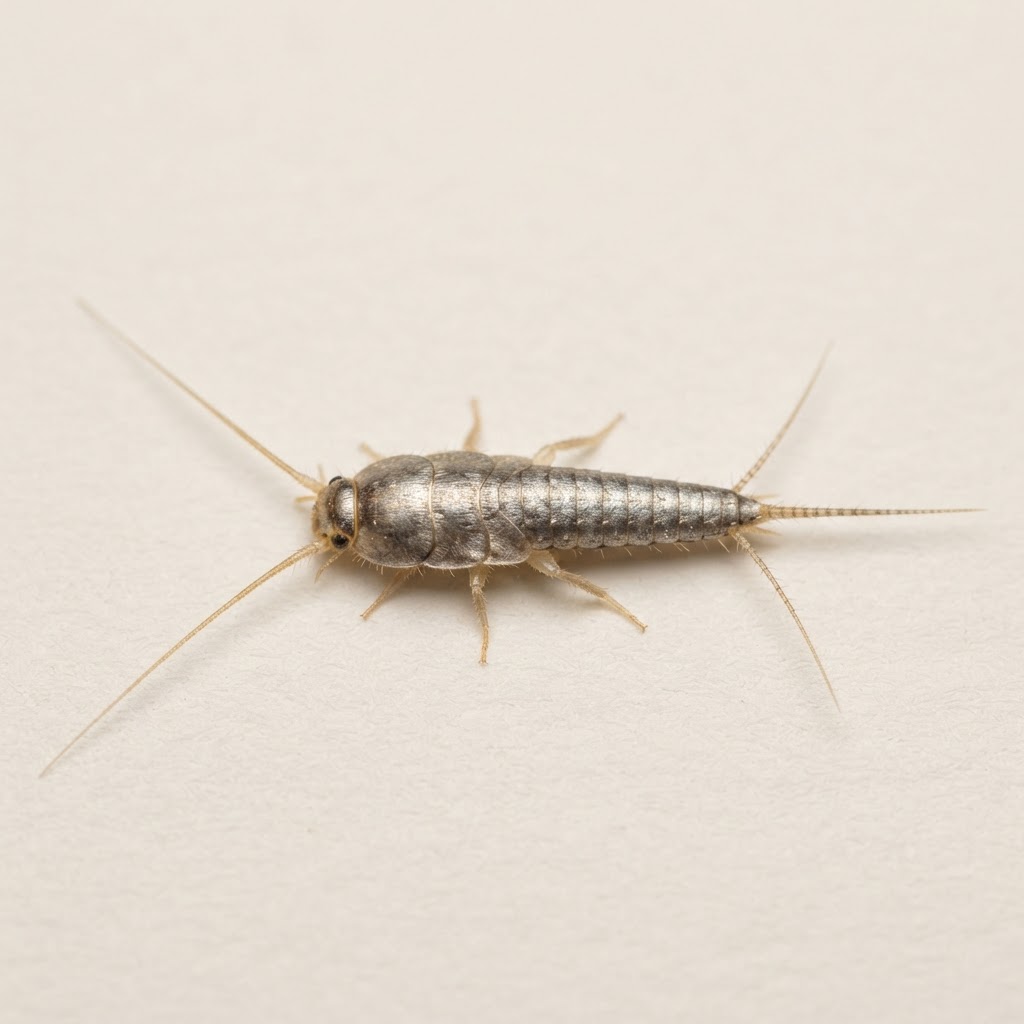 Silverfish
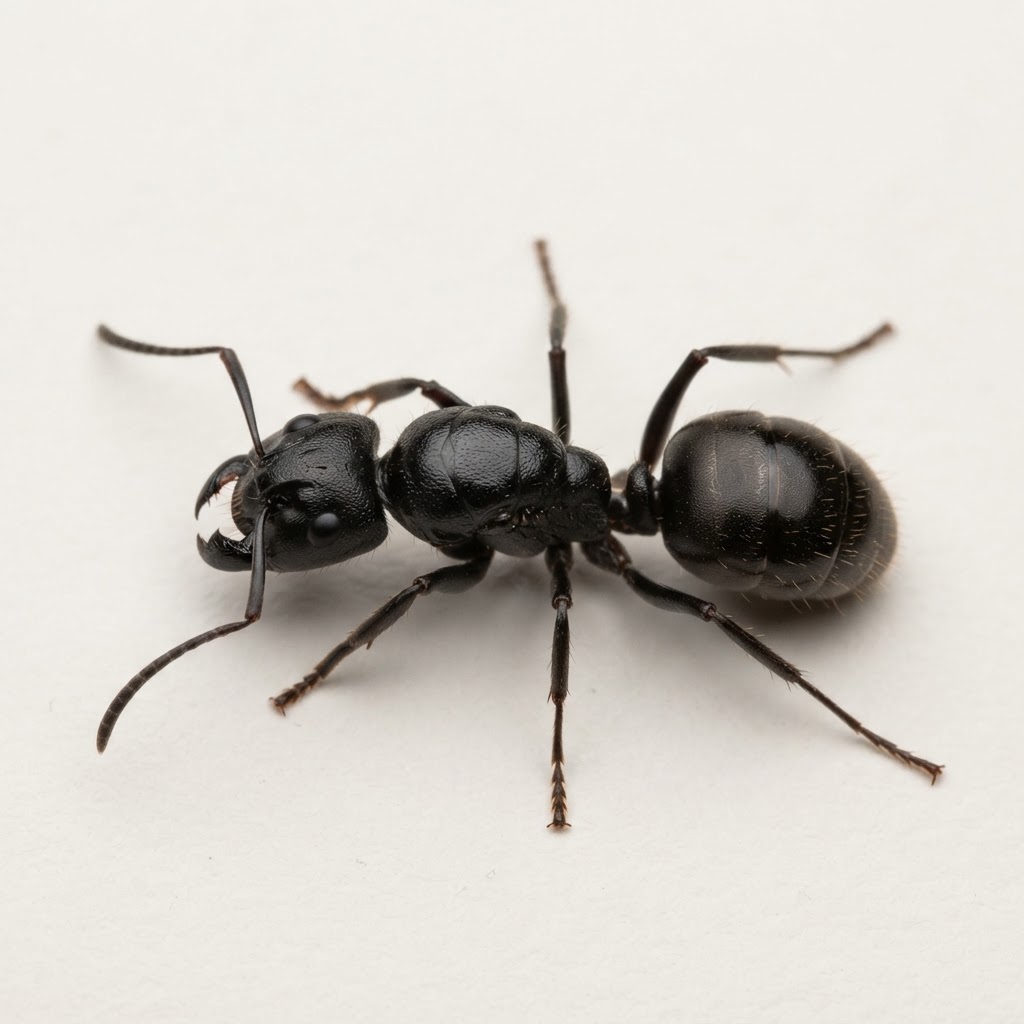 Carpenter Ants
 Gecko Control
 Harvester Termites
 General Spray