
Species Profile
Grain & Flour Beetles
Tribolium confusum / Oryzaephilus surinamensis
The confused flour beetle (Tribolium confusum) and the sawtoothed grain beetle (Oryzaephilus surinamensis) are two of the most common stored-product pests globally. In the Western Cape, they infest pantries, commercial food stores and bakeries, contaminating flour, cereals, dried fruit, spices and processed grain products.
Biology & Behaviour
Both species are small (2–3.5mm) and highly cryptic, often going unnoticed until infestations are severe. They can penetrate sealed packaging through the smallest gaps. Larvae and adults feed on grain dust and broken kernels, contaminating products with frass, cast skins and secretions. A single female can lay 300–400 eggs over her lifetime, with development from egg to adult taking as little as 3 weeks in warm conditions.
Signs of Infestation
Infestation Indicators
Fine powder or frass in flour, cereal and grain packaging
Small reddish-brown beetles in pantry shelves or food containers
Clumping or discolouration of flour and dry goods
Unpleasant, musty or medicinal odour in stored products
Larvae (small, whitish grubs) in grain and flour products
Clinical Organicism Protocol
Remediation Protocol
The Eco Pestelence 4-phase intervention methodology, calibrated specifically for grain & flour beetles.
Detection
Full pantry and storage audit. Pheromone sticky traps deployed to confirm species and population density. Identification of primary infestation source — often a single heavily infested product.
Isolation
Removal and disposal of all infested products. Deep cleaning of shelves, cracks and crevices in pantry spaces. All remaining products transferred to sealed glass or hard plastic containers.
Neutralization
Residual insecticide dust applied to shelf edges, wall-floor junctions and crack-and-crevice areas. Pheromone traps maintained for ongoing monitoring and population reduction.
10-Day Elimination Programme
The initial treatment eliminates active pests while eggs continue hatching over the following days — newly hatched pests contact the residual treatment, progressively clearing the infestation within ~10 days.
Shielding
Airtight storage protocol implemented for all vulnerable dry goods. Pheromone trap monitoring maintained for 3 months post-treatment. Annual pantry inspection recommended for commercial and residential kitchens.
Eco Commitment
Our approach prioritises physical removal and containment — reducing chemical use to targeted, minimal applications. Pheromone-based monitoring replaces broad-spectrum spraying in food storage areas.
Concerned about grain & flour beetles? Request a professional assessment.
Request Grain & Flour Beetles AssessmentBack to EncyclopediaOther Species
 Ants
 American Cockroaches
 German Cockroaches
 Wasps
 Red-headed Cockroaches
 Oriental Cockroaches
 Fleas & Bed Bugs
 All Moths
 Rodents
 Spiders
 Millipedes & Centipedes
 Dune Moles
 Crickets
 Bird Removal
 Snails & Slugs
 Weevils
 Bat Proofing
 Earwigs
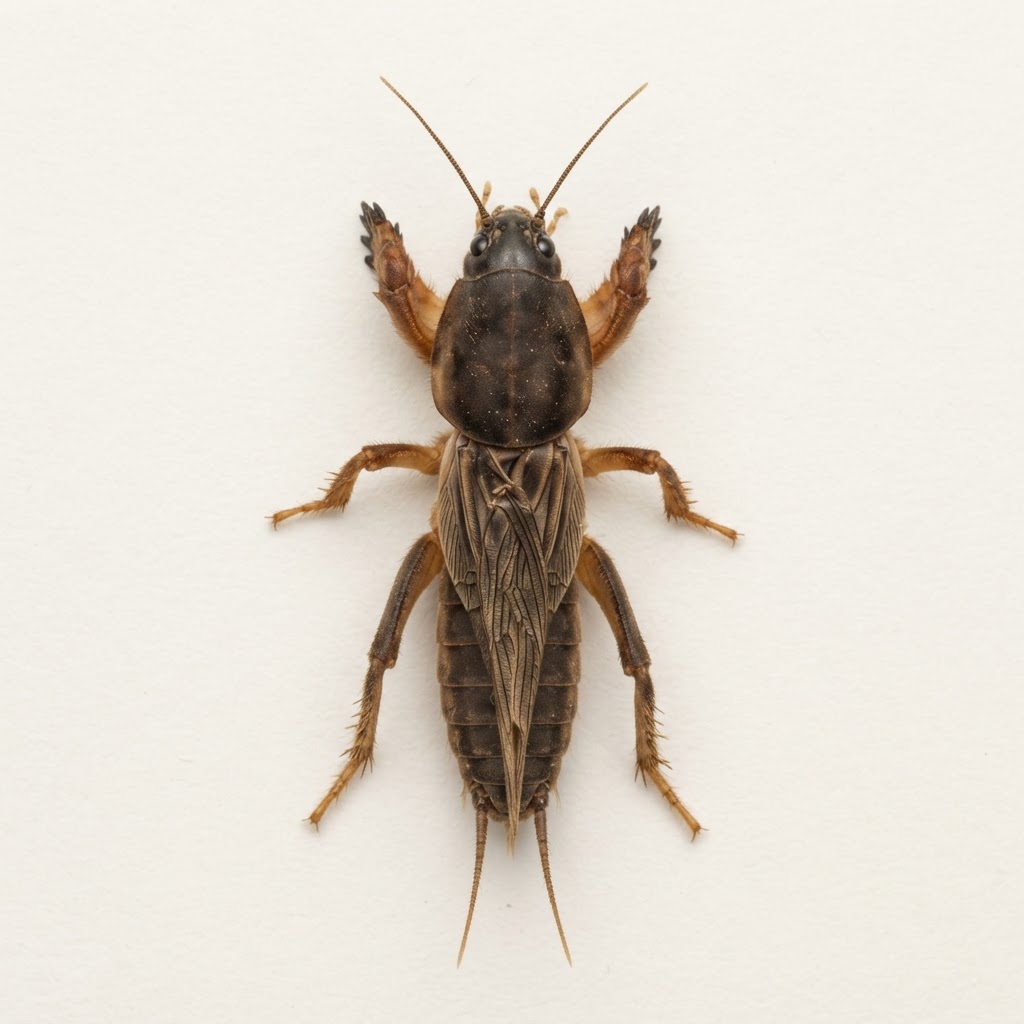 Mole Crickets
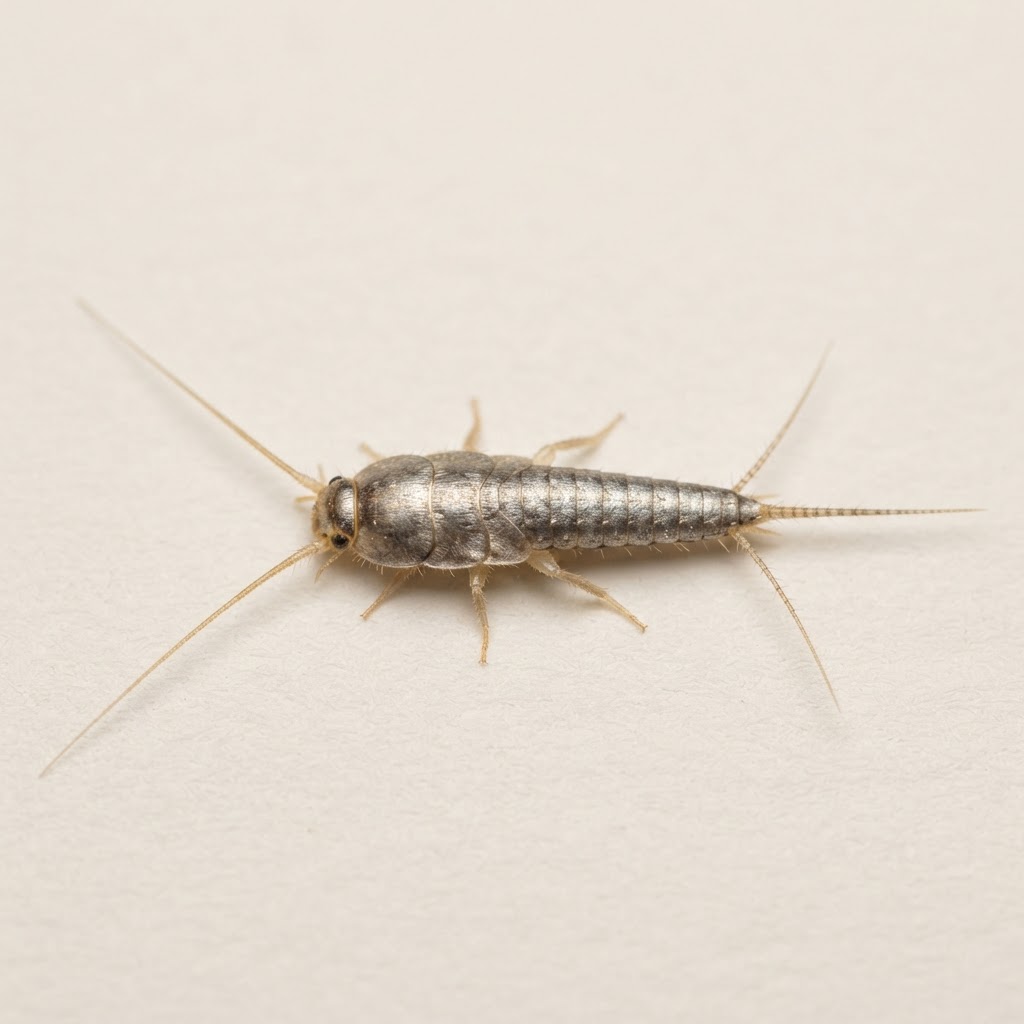 Silverfish
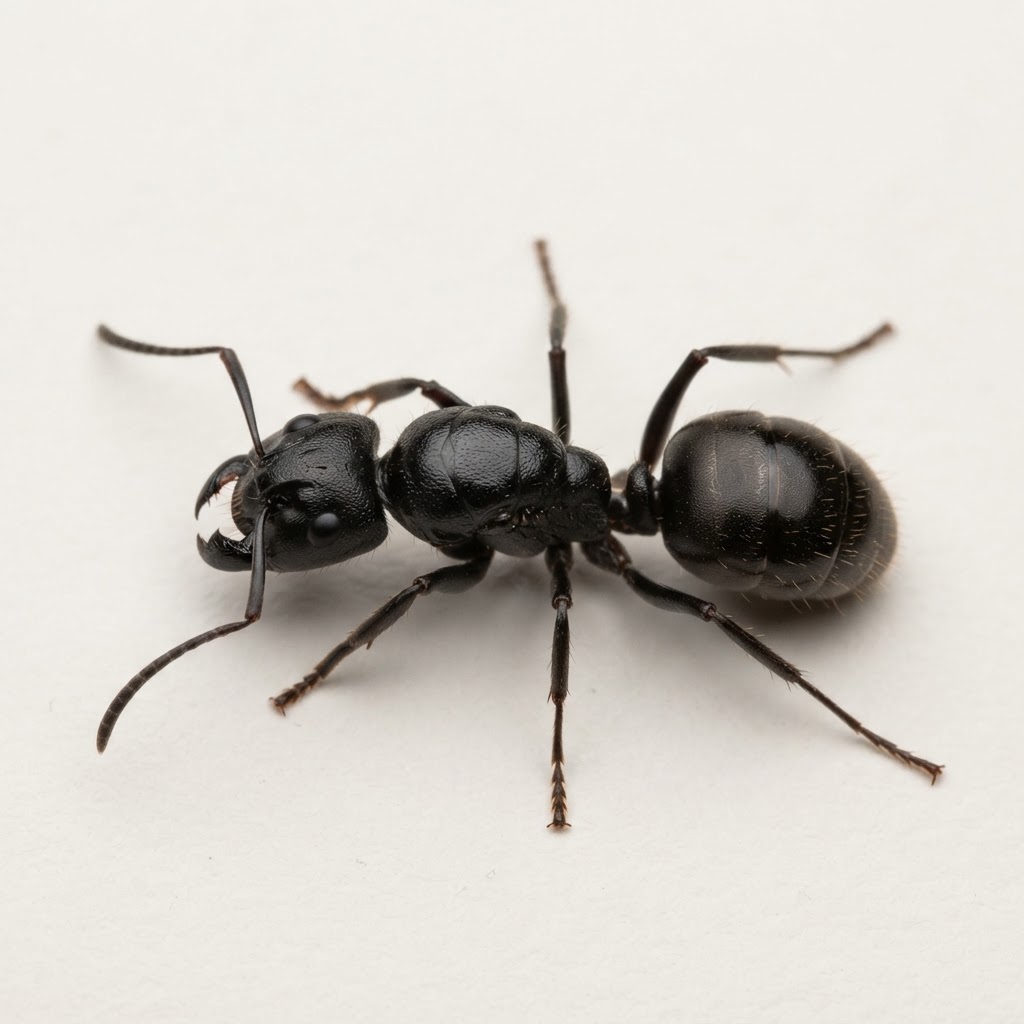 Carpenter Ants
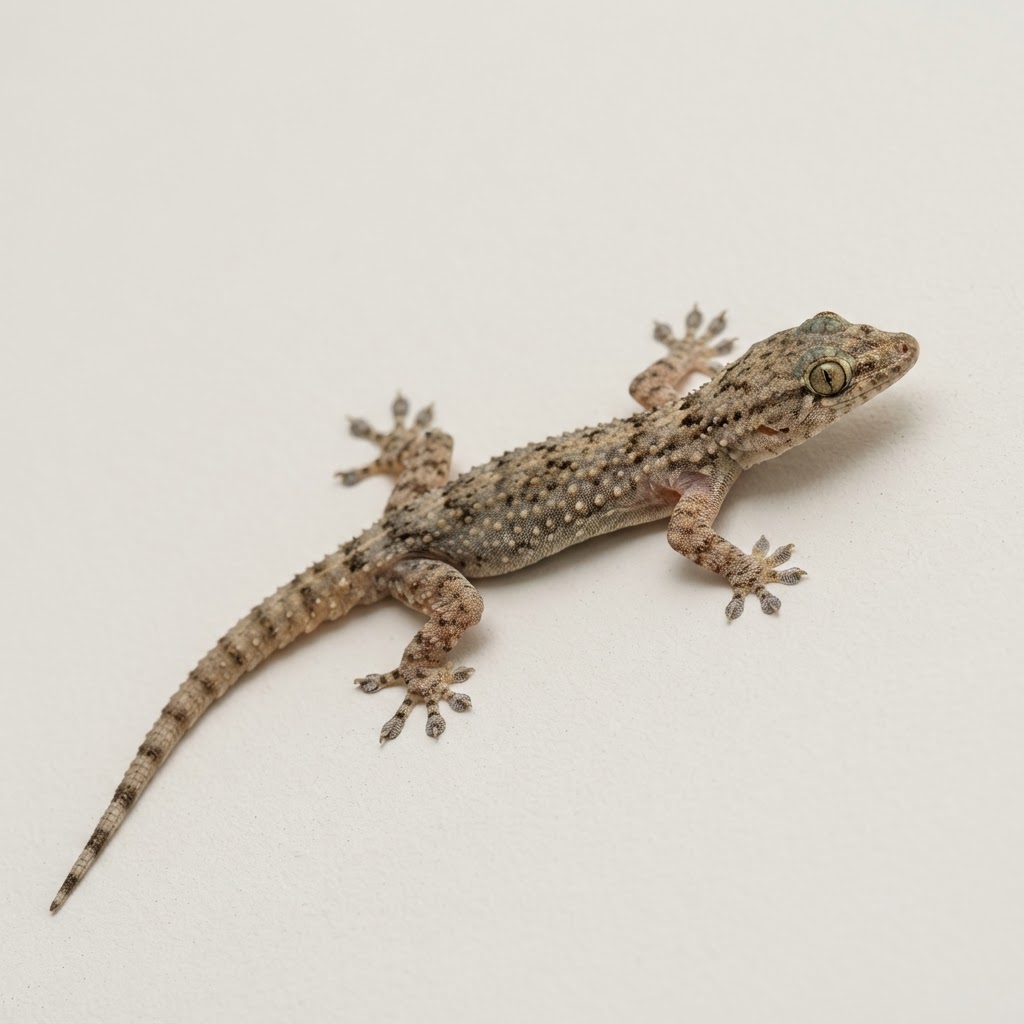 Gecko Control
 Mosquitoes
 Harvester Termites
 General Spray