
Species Profile
Snails & Slugs
Helix aspersa / Deroceras reticulatum
Snails and slugs are common garden pests in the Western Cape, particularly during wet winter and spring months. The garden snail (Helix aspersa) and the grey field slug (Deroceras reticulatum) are the most prevalent species. They cause significant damage to vegetable beds, flowerbeds and ornamental plants by rasping irregular holes in leaves, stems, and fruit.
Biology & Behaviour
Both snails and slugs are gastropod molluscs that feed primarily at night and during overcast days. They thrive in moist conditions and can destroy seedlings overnight. Snails retreat into their shells during dry conditions; slugs seek refuge under debris, stones and dense ground cover. A single slug can lay up to 500 eggs per year in soil.
Signs of Infestation
Infestation Indicators
Irregular, ragged holes in leaves and petals
Slime trails on leaves, soil and paving in the morning
Seedlings disappearing or being cut at the base overnight
Snail shells and slug bodies under pots, stones and debris
Damage concentrated near ground level or on low-hanging fruit
Clinical Organicism Protocol
Remediation Protocol
The Eco Pestelence 4-phase intervention methodology, calibrated specifically for snails & slugs.
Detection
Nocturnal garden inspection to map feeding zones and identify primary harborage areas under stones, pots and debris.
Isolation
Removal of harborage material near vulnerable plants. Copper tape barriers around raised beds and pots as immediate deterrent.
Neutralization
Iron phosphate-based bait granules applied around feeding areas — safe for pets, birds, and beneficial insects. Targeted application in beds, along borders and under dense ground cover.
10-Day Elimination Programme
The initial treatment eliminates active pests while eggs continue hatching over the following days — newly hatched pests contact the residual treatment, progressively clearing the infestation within ~10 days.
Shielding
Seasonal baiting programme pre-winter and post-rain. Garden hygiene advisory to reduce harborage sites. Irrigation management to reduce surface moisture during peak activity periods.
Eco Commitment
We use iron phosphate baits exclusively — they break down into soil nutrients and pose zero risk to birds, hedgehogs, pets or beneficial invertebrates. No metaldehyde is used on any Eco Pestelence treatment.
Concerned about snails & slugs? Request a professional assessment.
Request Snails & Slugs AssessmentBack to EncyclopediaOther Species
 Ants
 American Cockroaches
 German Cockroaches
 Wasps
 Red-headed Cockroaches
 Oriental Cockroaches
 Fleas & Bed Bugs
 All Moths
 Rodents
 Spiders
 Millipedes & Centipedes
 Dune Moles
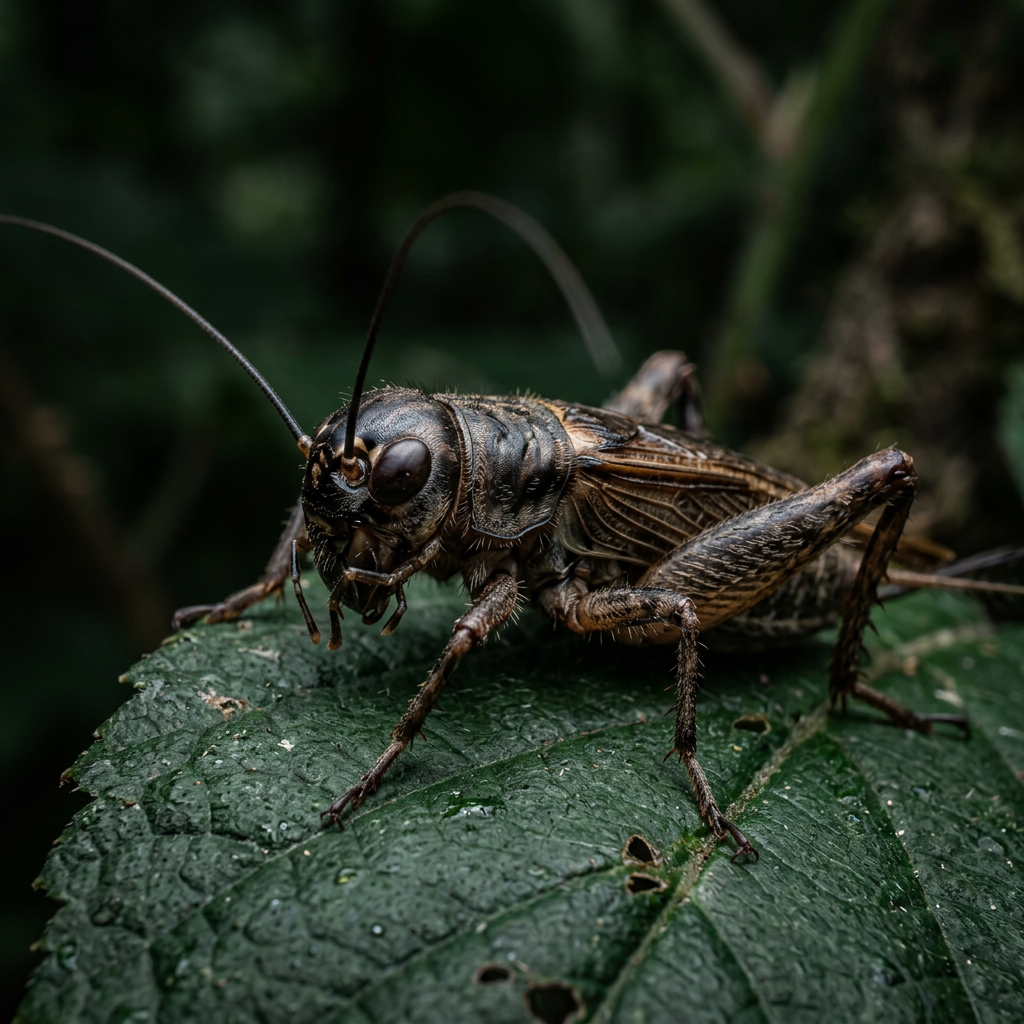 Crickets
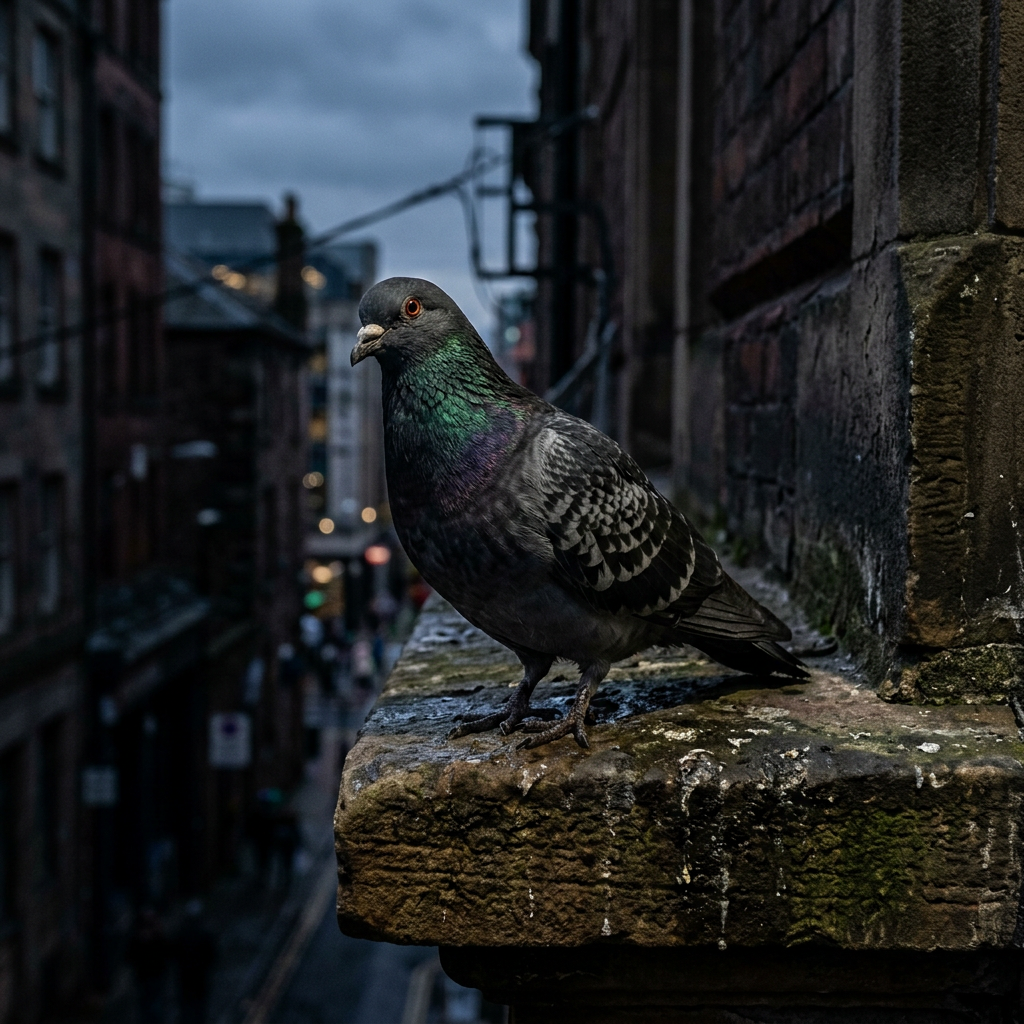 Bird Removal
 Grain & Flour Beetles
 Weevils
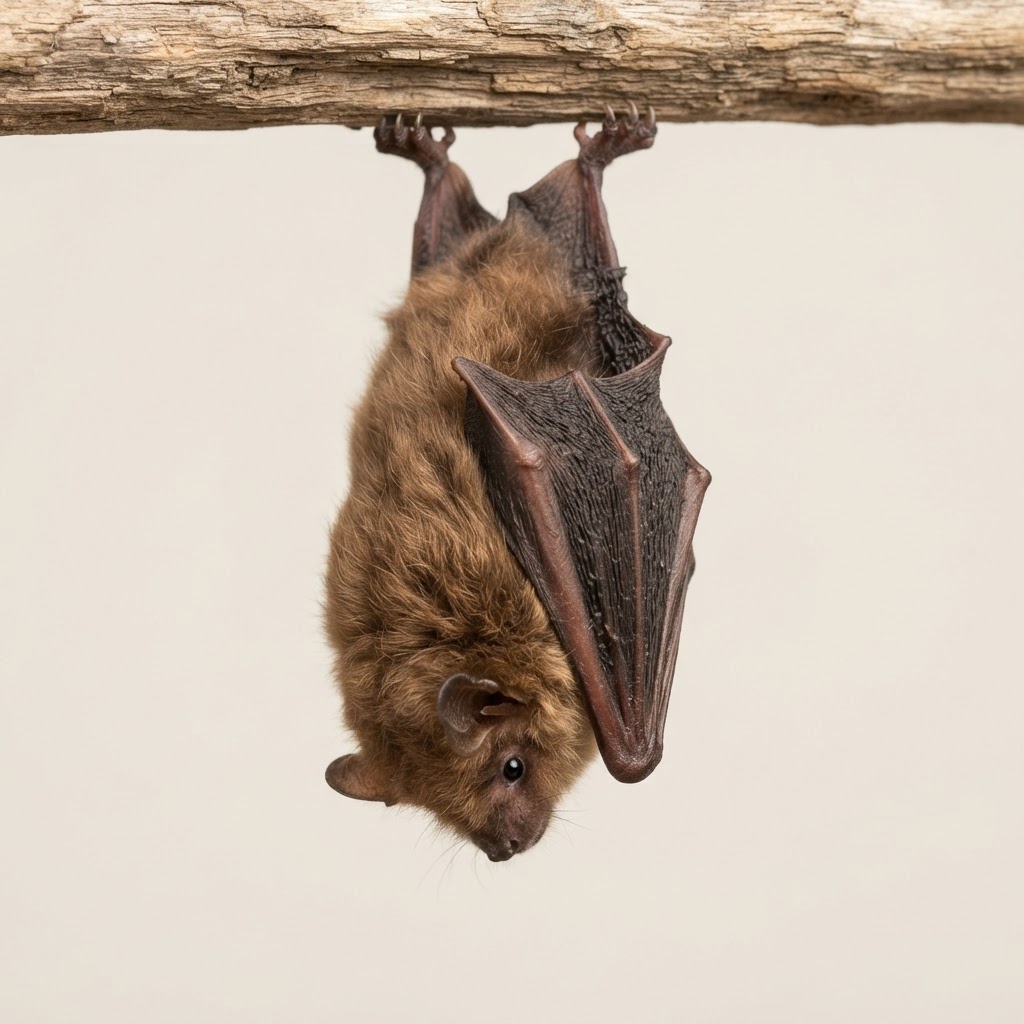 Bat Proofing
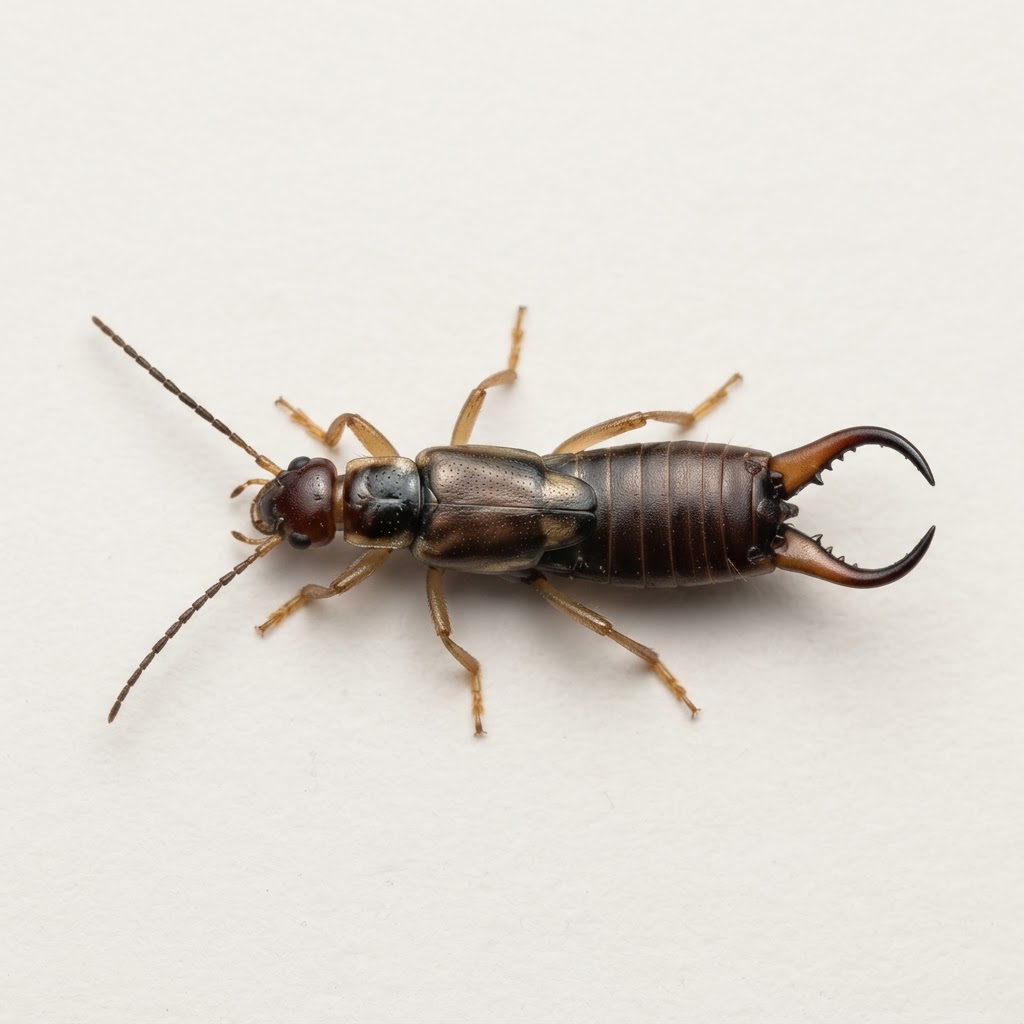 Earwigs
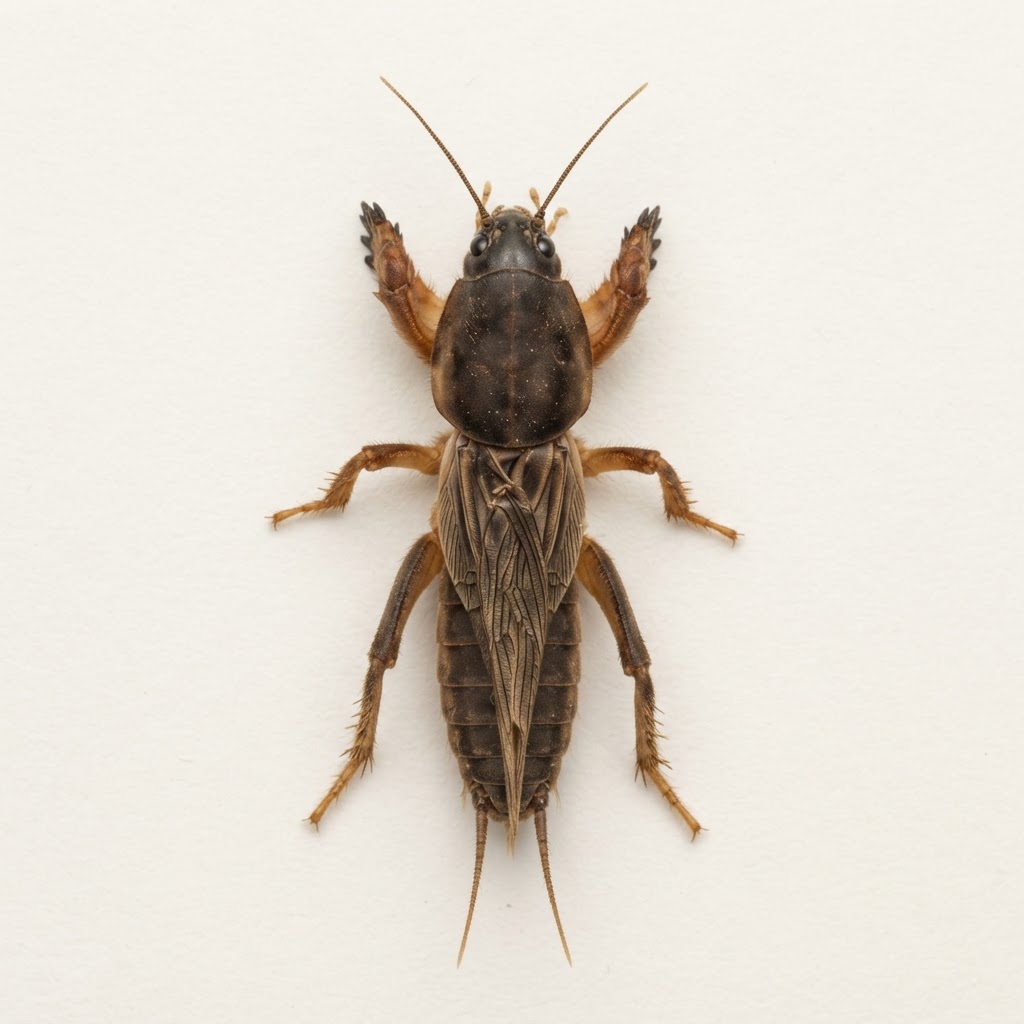 Mole Crickets
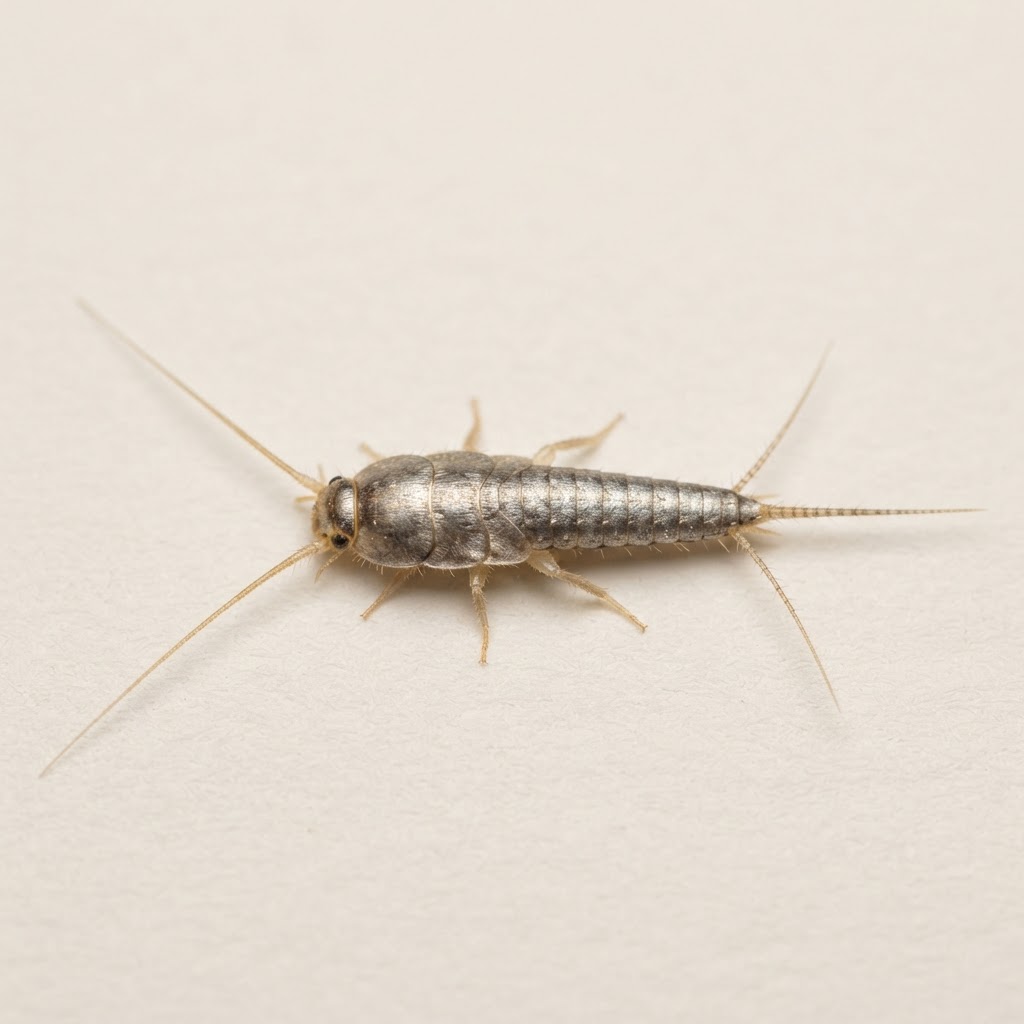 Silverfish
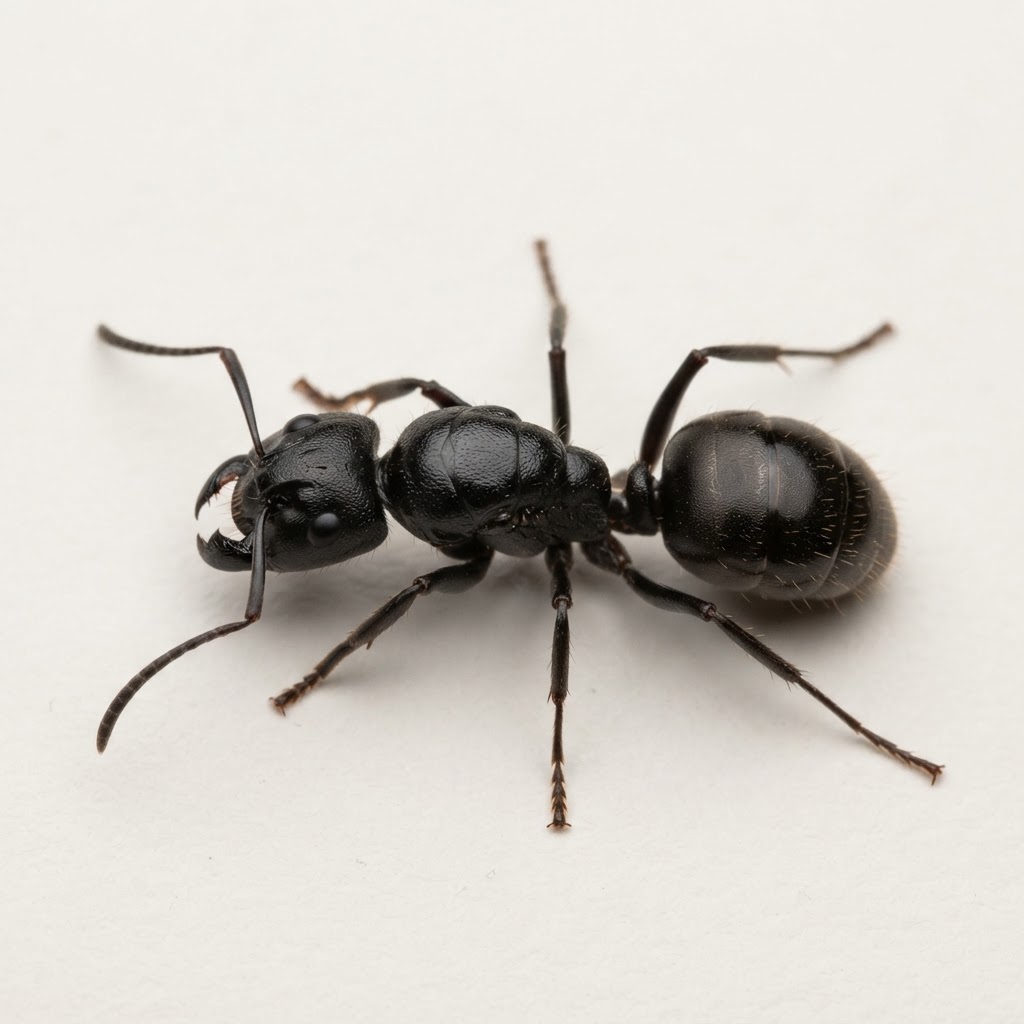 Carpenter Ants
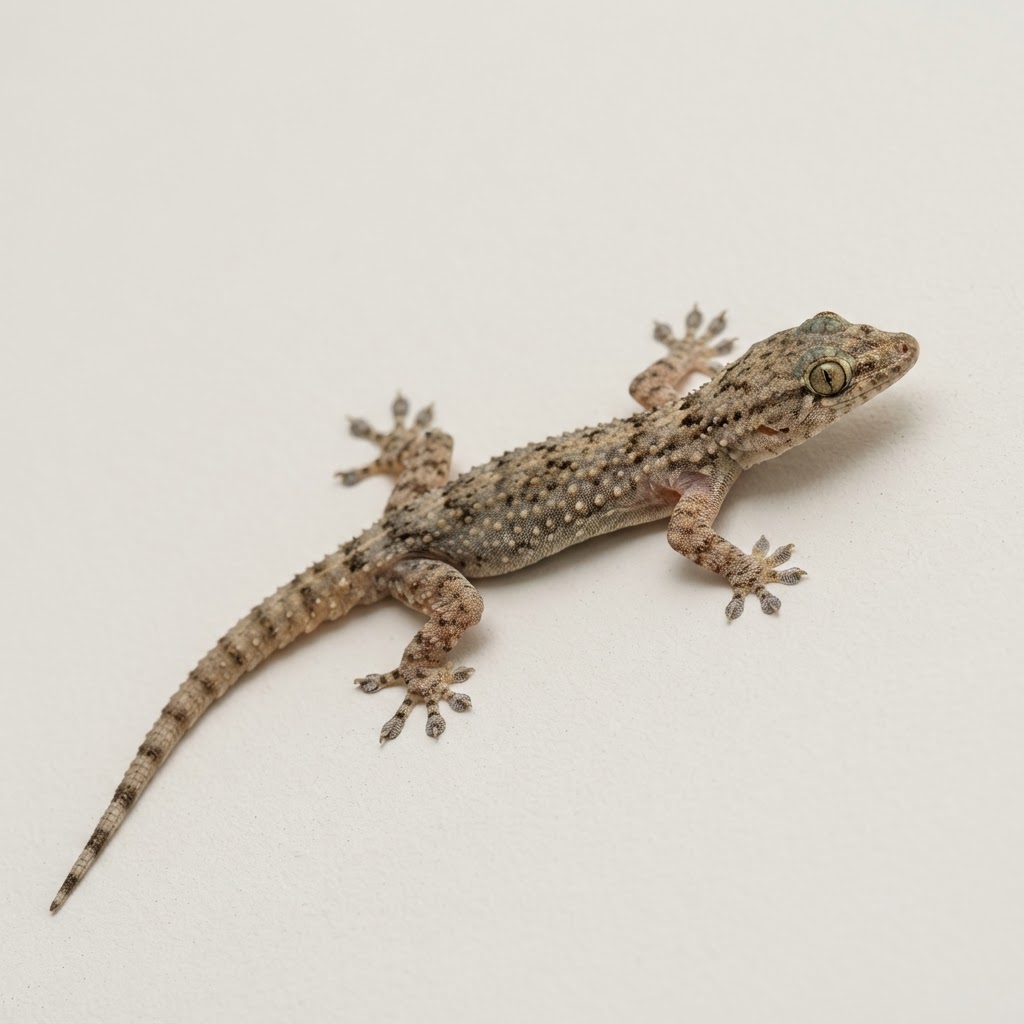 Gecko Control
 Mosquitoes
 Harvester Termites
 General Spray