Species Profile
Millipedes & Centipedes
Diplopoda / Chilopoda
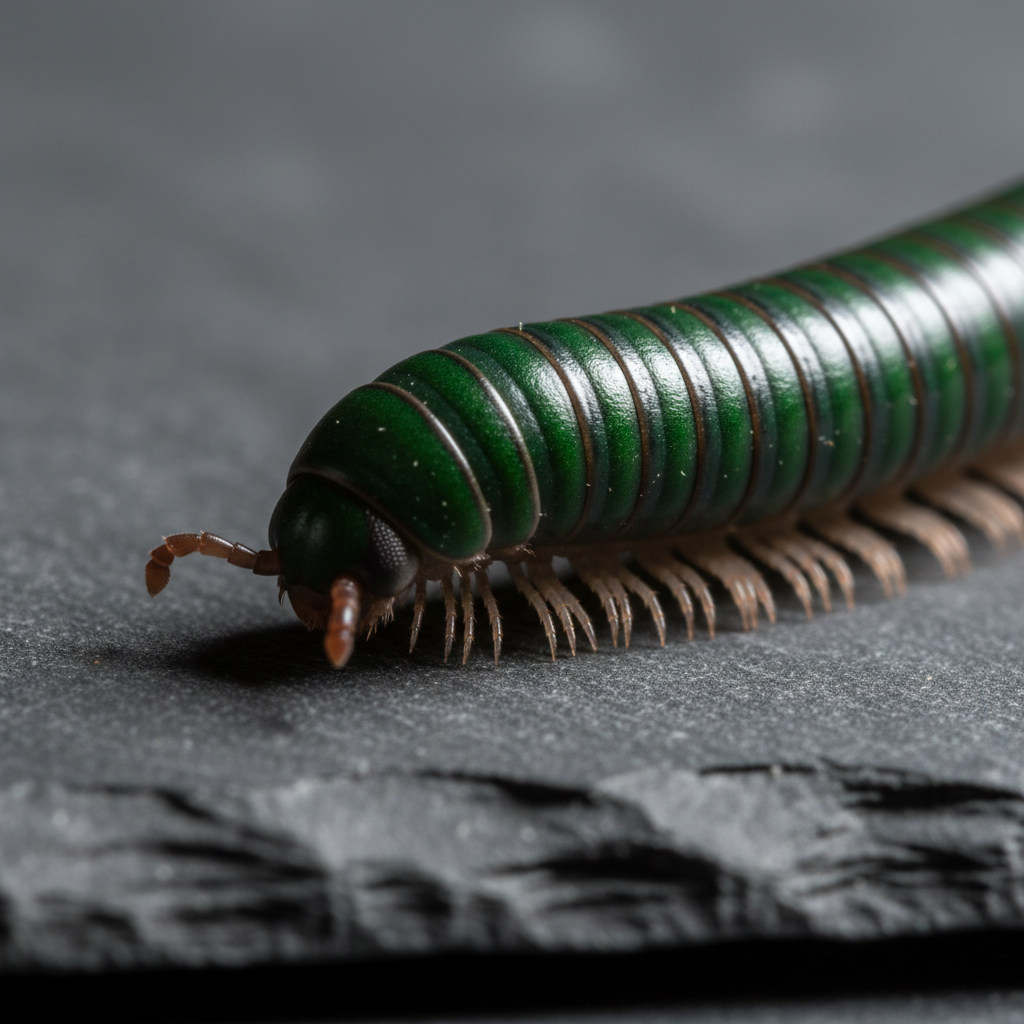
Millipedes and centipedes are myriapods that play important ecological roles but become significant nuisance pests in the Western Cape — particularly during autumn migrations and rainfall events. The Portuguese millipede (Ommatoiulus moreletii) is an introduced species in the Cape that invades homes in massive numbers. Centipedes, while predatory and beneficial, can deliver painful bites and are distressing in domestic settings.
Biology & Behaviour
Millipedes are detritivores — feeding on decaying organic matter and playing a key role in soil nutrient cycling. They do not bite but secrete defensive quinone compounds that can irritate skin and mucous membranes. During dry or cold periods, millipedes migrate into structures en masse, attracted by warmth and moisture. Centipedes are active predators that feed on insects, spiders and other invertebrates.
Signs of Infestation
Infestation Indicators
Mass migrations of dark, coiled millipedes during autumn or after rainfall
Individual millipedes in bathrooms, kitchens and damp areas
Centipede sightings in bathrooms, basements and under ground cover
Aggregations under pot plants, garden stones and leaf litter near the house
Musty quinone odour when millipedes are crushed or disturbed
Clinical Organicism Protocol
Remediation Protocol
The Eco Pestelence 4-phase intervention methodology, calibrated specifically for millipedes & centipedes.
Detection
Property moisture mapping and soil harborage survey. Garden inventory of leaf litter, mulch depth, compost proximity and irrigation patterns that drive millipede pressure against the structure.
Isolation
Removal of organic matter within 500mm of the building perimeter. Drainage improvement advisory to reduce soil moisture. Gap sealing along slab edges, weep holes and foundation vents.
Neutralization
Garden-safe bifenthrin granular application to perimeter garden beds. Residual barrier spray along building base and around door thresholds. Internal diatomaceous earth application in damp areas (under sinks, behind appliances) — mechanical, not chemical.
10-Day Elimination Programme
The initial treatment eliminates active pests while eggs continue hatching over the following days — newly hatched pests contact the residual treatment, progressively clearing the infestation within ~10 days.
Shielding
Pre-autumn seasonal perimeter treatment (March/April in Western Cape). Ongoing moisture management — the single most effective long-term control factor. Annual soil amendment advisory to reduce organic harborage matter.
Eco Commitment
Diatomaceous earth is our primary indoor treatment for millipedes — a purely physical mode of action with zero chemical residue, safe for humans, pets and beneficial invertebrates beyond the immediate application zone.
Concerned about millipedes & centipedes? Request a professional assessment.
Request Millipedes & Centipedes AssessmentBack to EncyclopediaOther Species
 Ants
 American Cockroaches
 German Cockroaches
 Wasps
 Red-headed Cockroaches
 Oriental Cockroaches
 Fleas & Bed Bugs
 All Moths
 Rodents
 Spiders
 Dune Moles
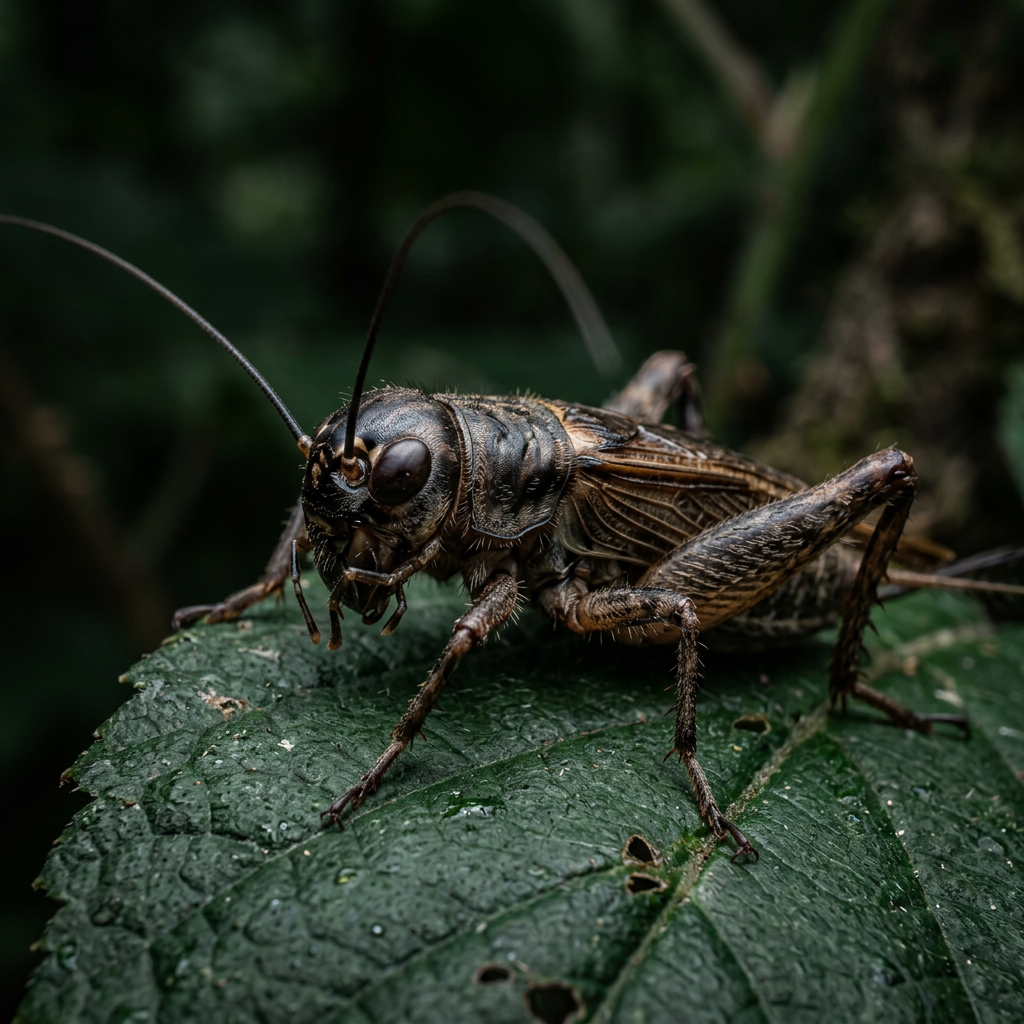 Crickets
 Bird Removal
 Snails & Slugs
 Grain & Flour Beetles
 Weevils
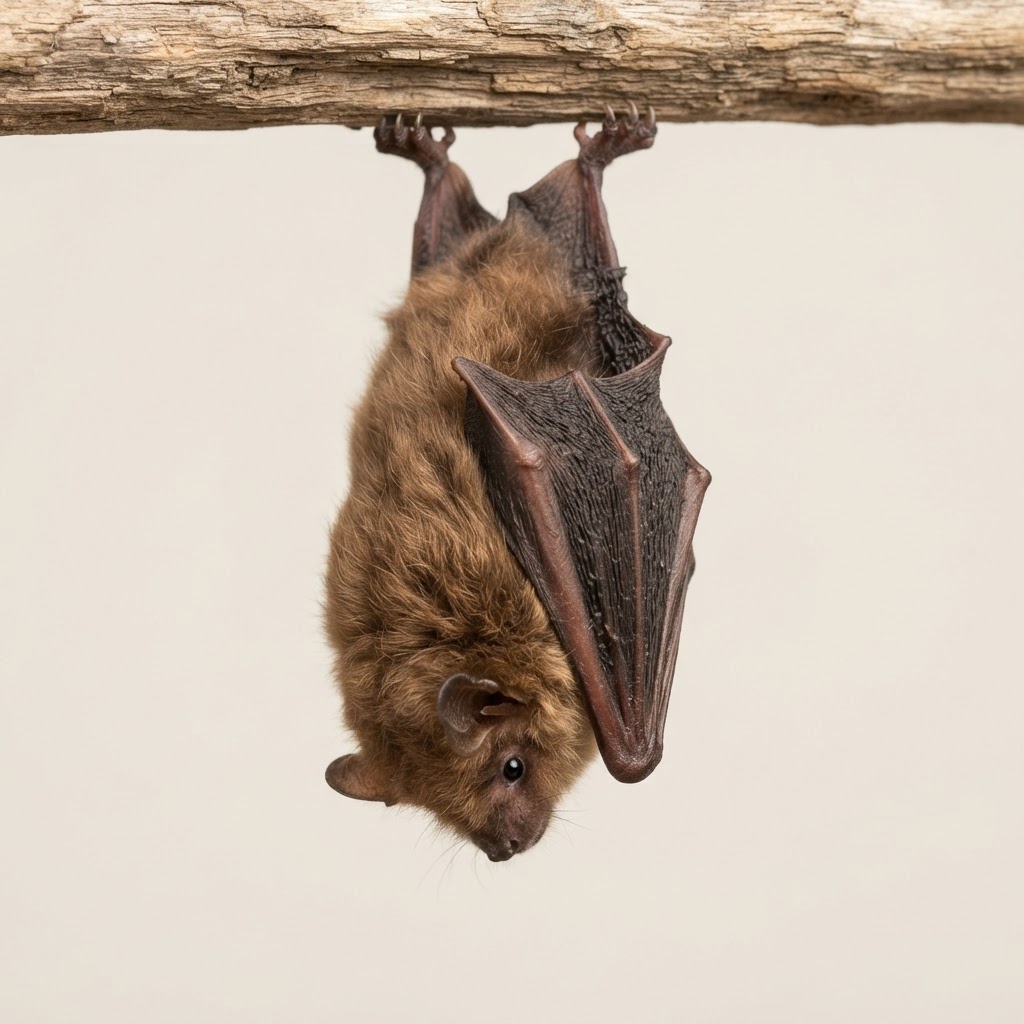 Bat Proofing
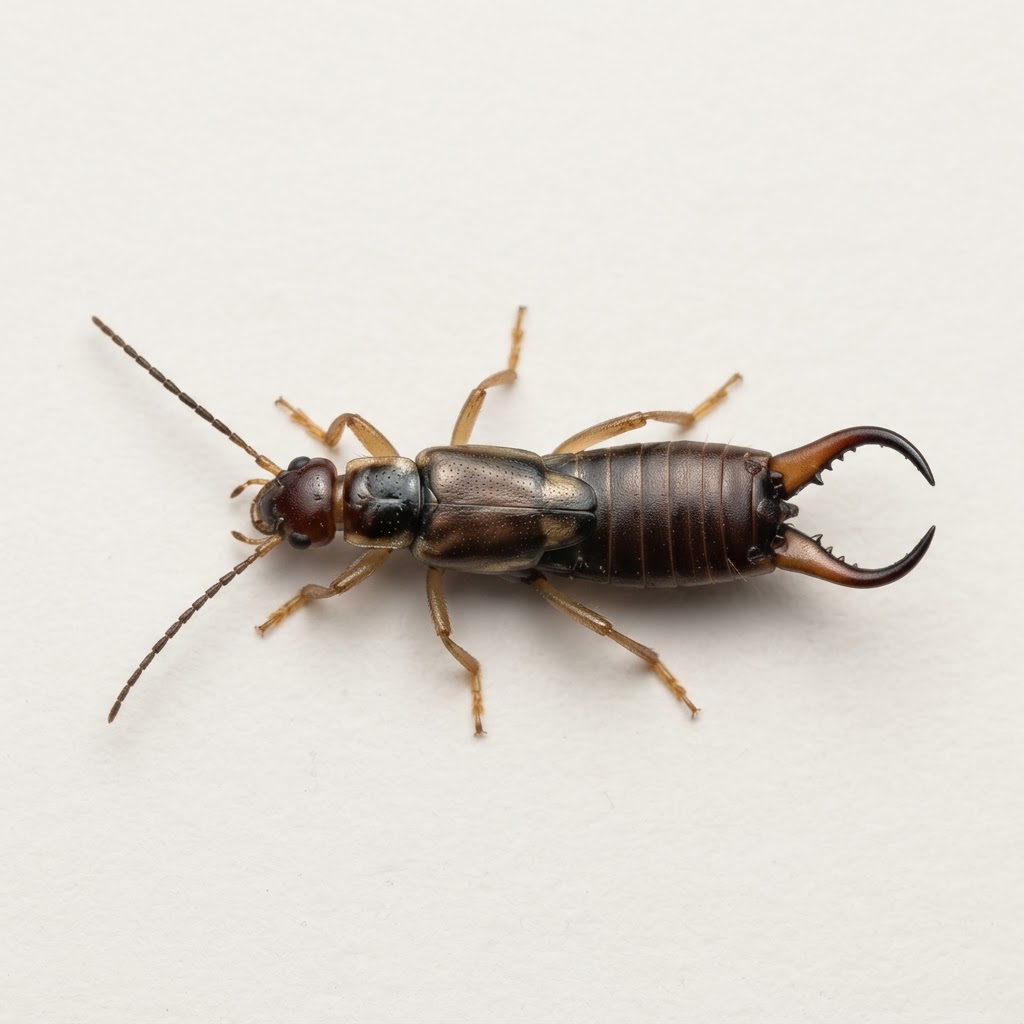 Earwigs
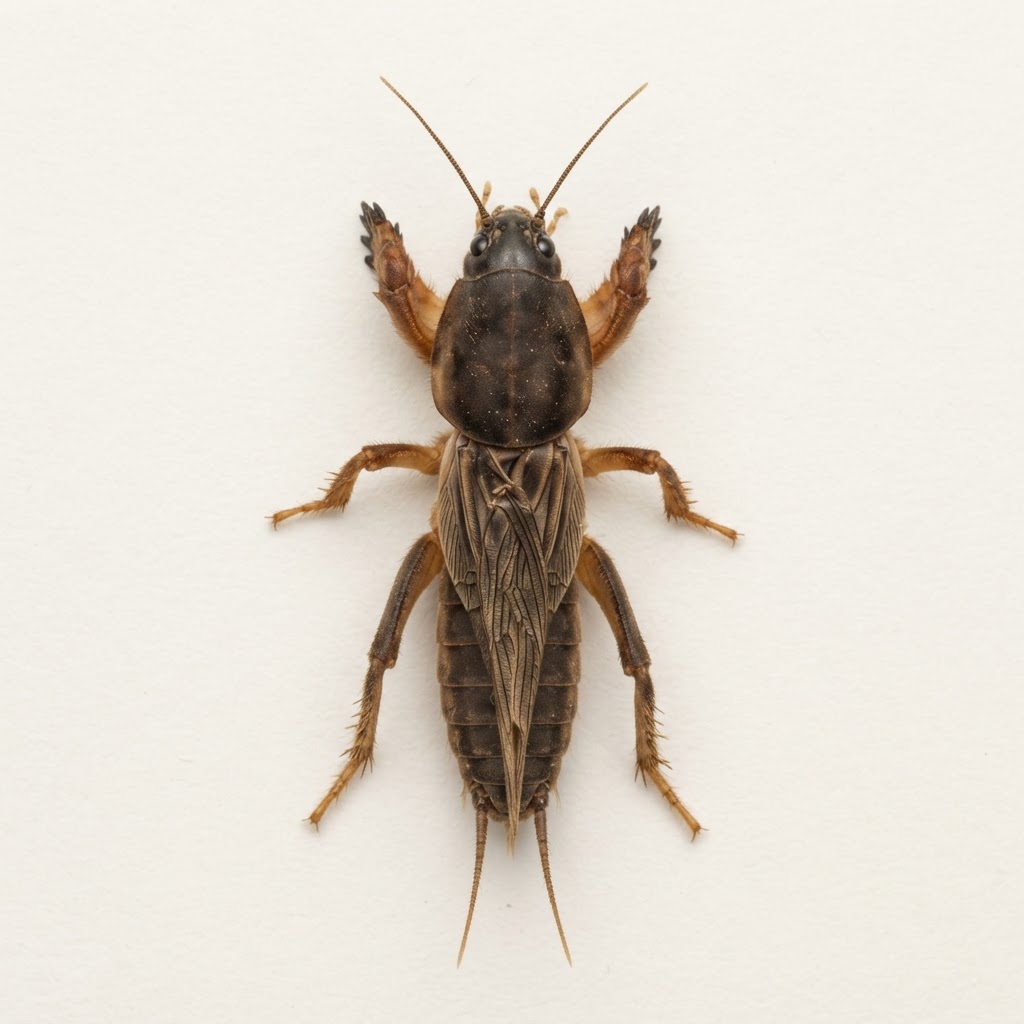 Mole Crickets
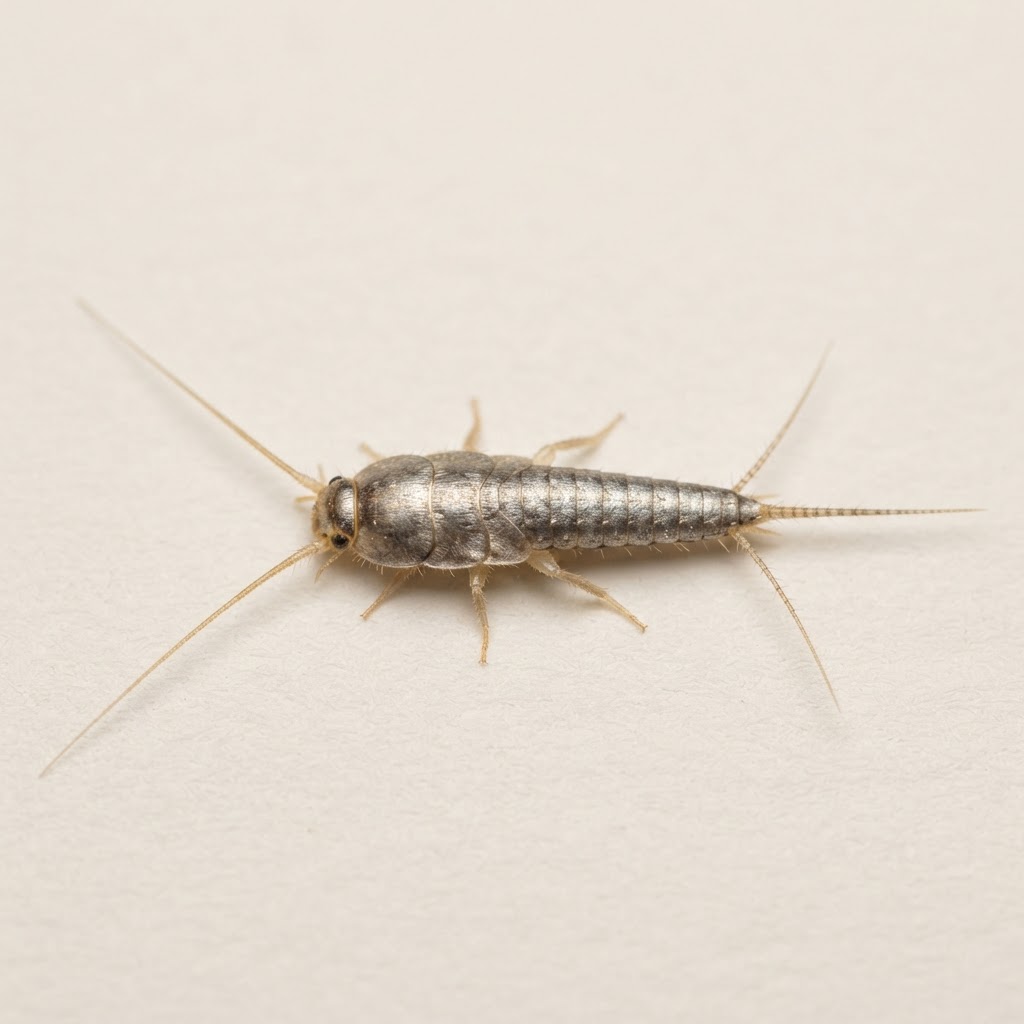 Silverfish
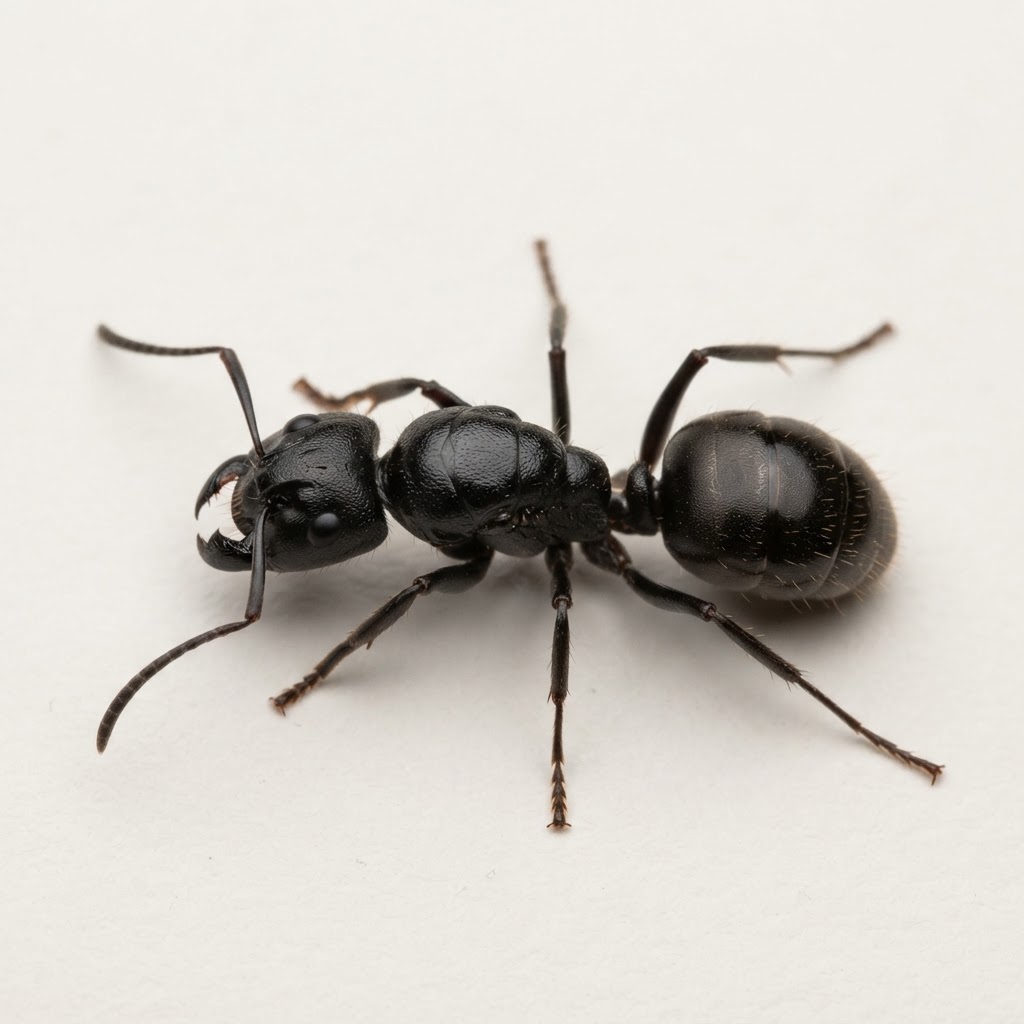 Carpenter Ants
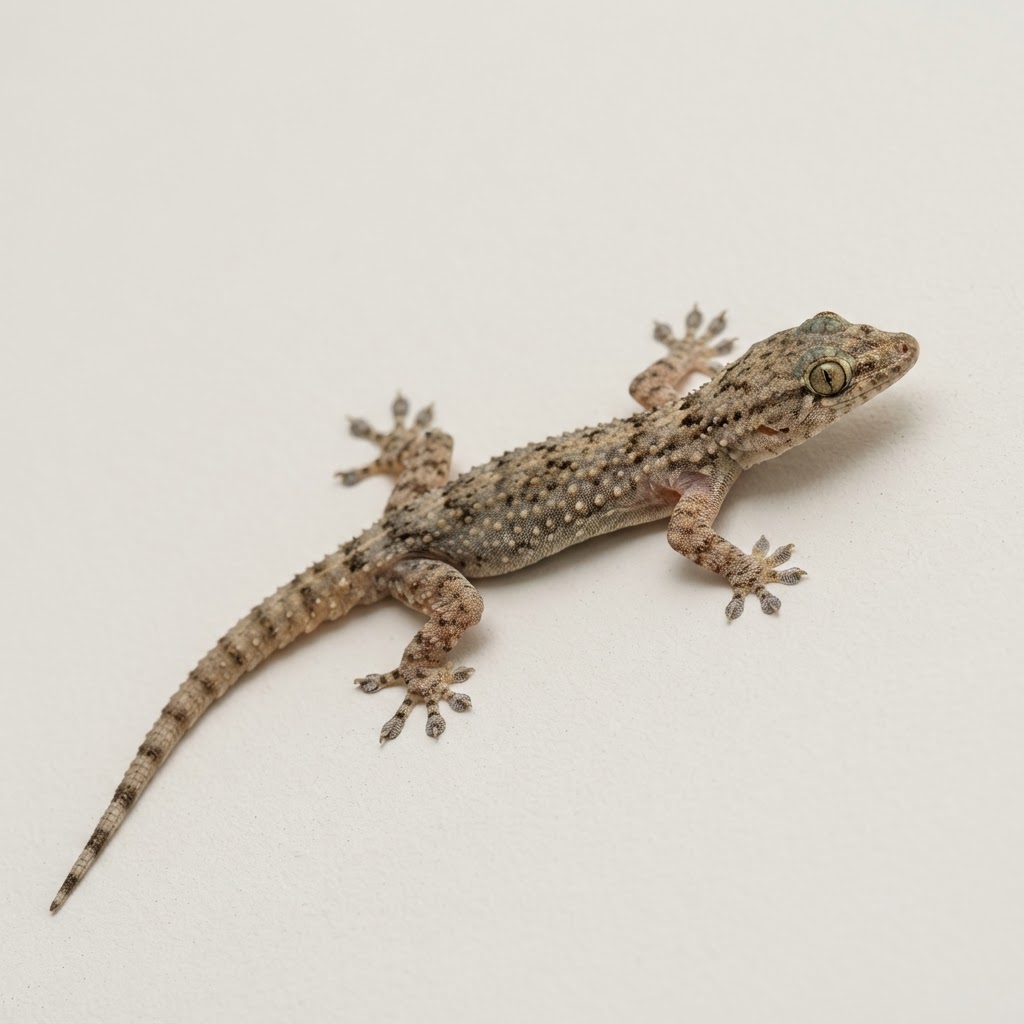 Gecko Control
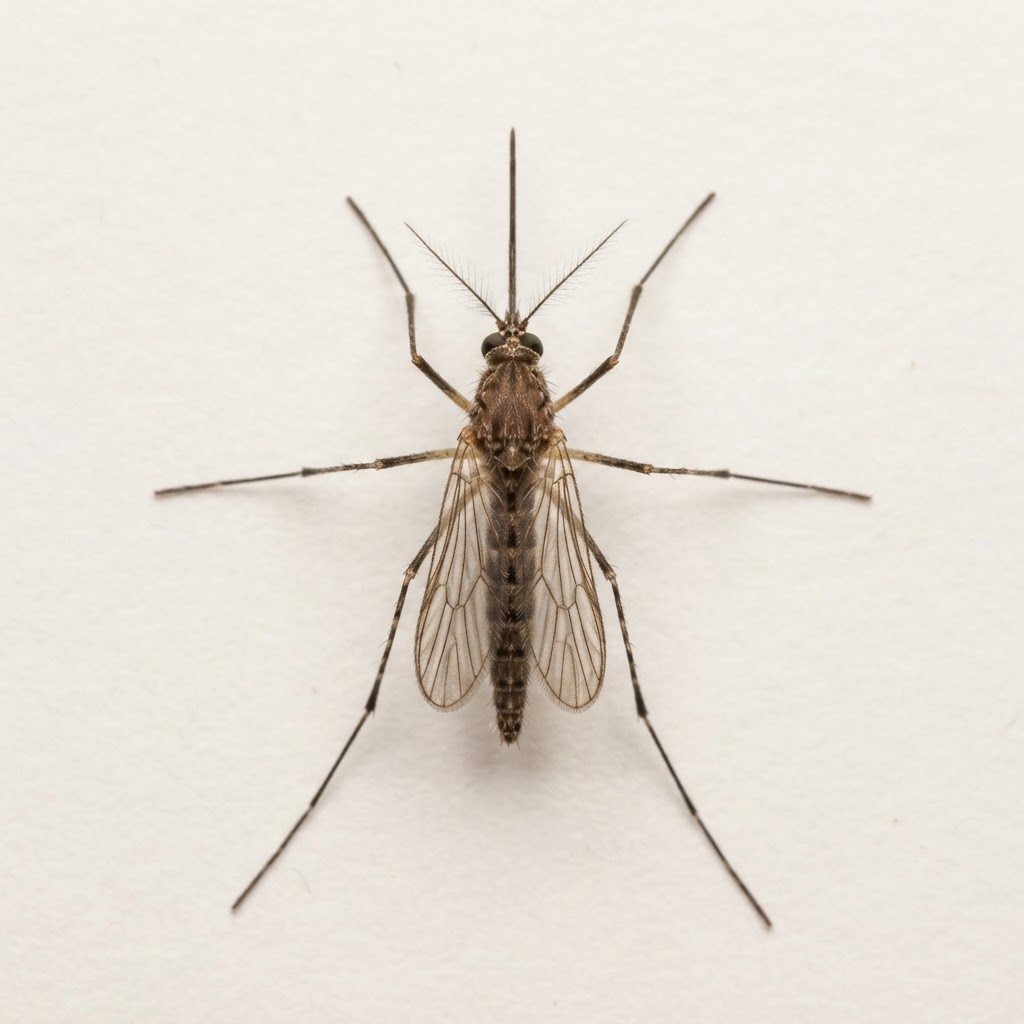 Mosquitoes
 Harvester Termites
 General Spray