Species Profile
Mole Crickets
Gryllotalpa africana
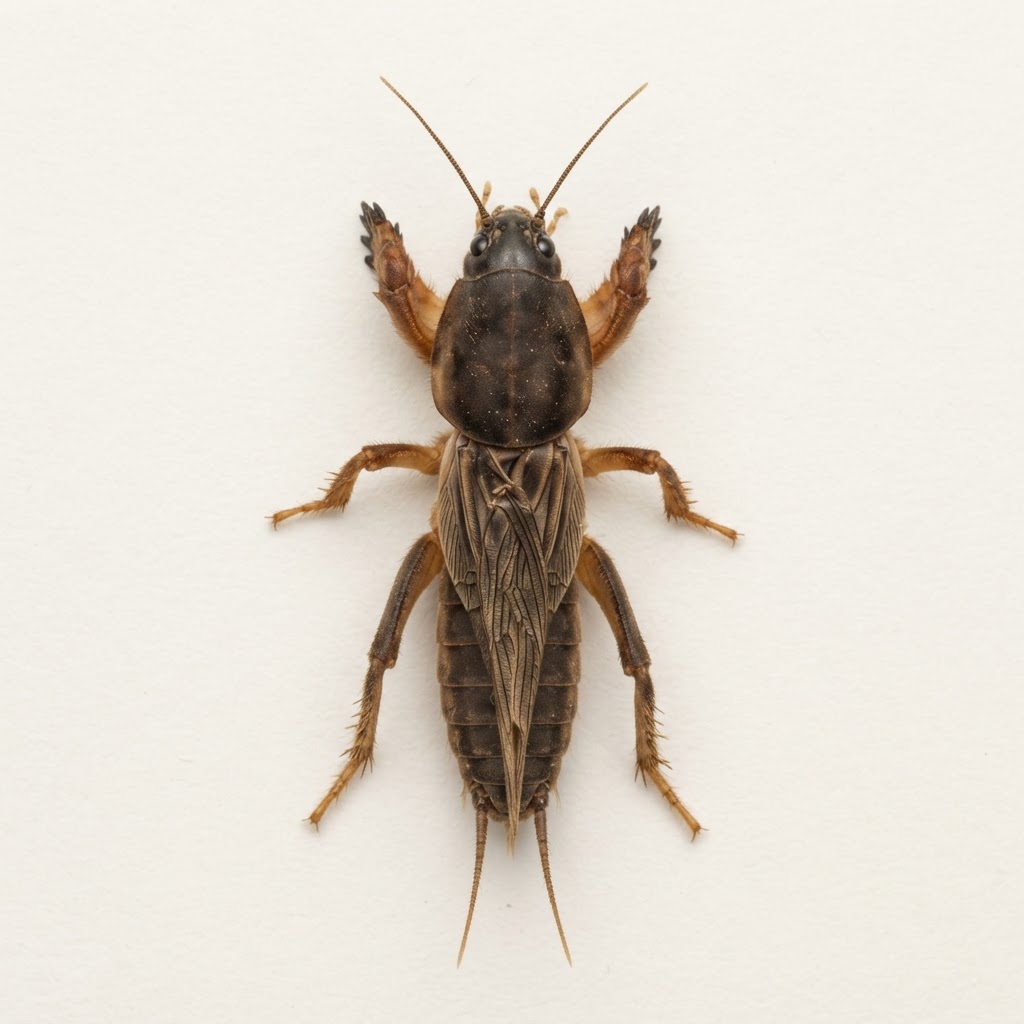
Mole crickets (Gryllotalpa africana) are subterranean insects that cause significant damage to lawns, sports turf and gardens in the Western Cape. Their large, mole-like front legs are adapted for tunnelling through soil, where they feed on grassroots, root systems and organic matter. They are particularly destructive to golf courses, bowling greens and irrigated lawns, creating raised tunnels and bare patches.
Biology & Behaviour
Mole crickets are nocturnal and spend most of their lives underground. They tunnel just below the surface, creating raised ridges that dislodge and dry out grassroots. Adults can fly and are attracted to lights during mating season. Females lay 25–60 eggs in chambers 10–15cm below the surface. Nymphs feed on roots and organic matter, maturing over 6–12 months. Activity peaks in warm, moist soil conditions.
Signs of Infestation
Infestation Indicators
Raised, tunnel-like ridges across lawns and turf areas
Bare, dying patches of grass with loosened, spongy soil beneath
Small mounds of fine soil pushed up from tunnelling activity
Increased bird activity on the lawn — birds probing for nymphs
Adult mole crickets attracted to outdoor lights on warm evenings
Clinical Organicism Protocol
Remediation Protocol
The Eco Pestelence 4-phase intervention methodology, calibrated specifically for mole crickets.
Detection
Lawn survey mapping all tunnel ridges and damaged zones. Soap flush test (soapy water drench) to confirm presence and population density. Soil moisture assessment to identify high-activity zones.
Isolation
Reduction of outdoor lighting attractants during mating season. Lawn moisture management advisory — over-irrigation creates ideal habitat. Identification of most active tunnel systems for targeted treatment.
Neutralization
Beneficial nematode application (Steinernema species) to active tunnel zones — biological control that parasitises mole crickets underground. Targeted granular insecticide applied to high-activity areas as supplementary control. Timing scheduled for nymph emergence period.
10-Day Elimination Programme
The initial treatment eliminates active pests while eggs continue hatching over the following days — newly hatched pests contact the residual treatment, progressively clearing the infestation within ~10 days.
Shielding
Pre-summer seasonal treatment during peak nymph activity. Lawn health programme — aeration and topdressing to repair tunnel damage. Ongoing monitoring with soap flush tests at seasonal intervals.
Eco Commitment
Beneficial parasitic nematodes are our primary control method — a biological approach that targets only mole crickets with zero impact on birds, pets or beneficial soil organisms. Chemical treatment is used only as a targeted supplement.
Concerned about mole crickets? Request a professional assessment.
Request Mole Crickets AssessmentBack to EncyclopediaOther Species
 Ants
 American Cockroaches
 German Cockroaches
 Wasps
 Red-headed Cockroaches
 Oriental Cockroaches
 Fleas & Bed Bugs
 All Moths
 Rodents
 Spiders
 Millipedes & Centipedes
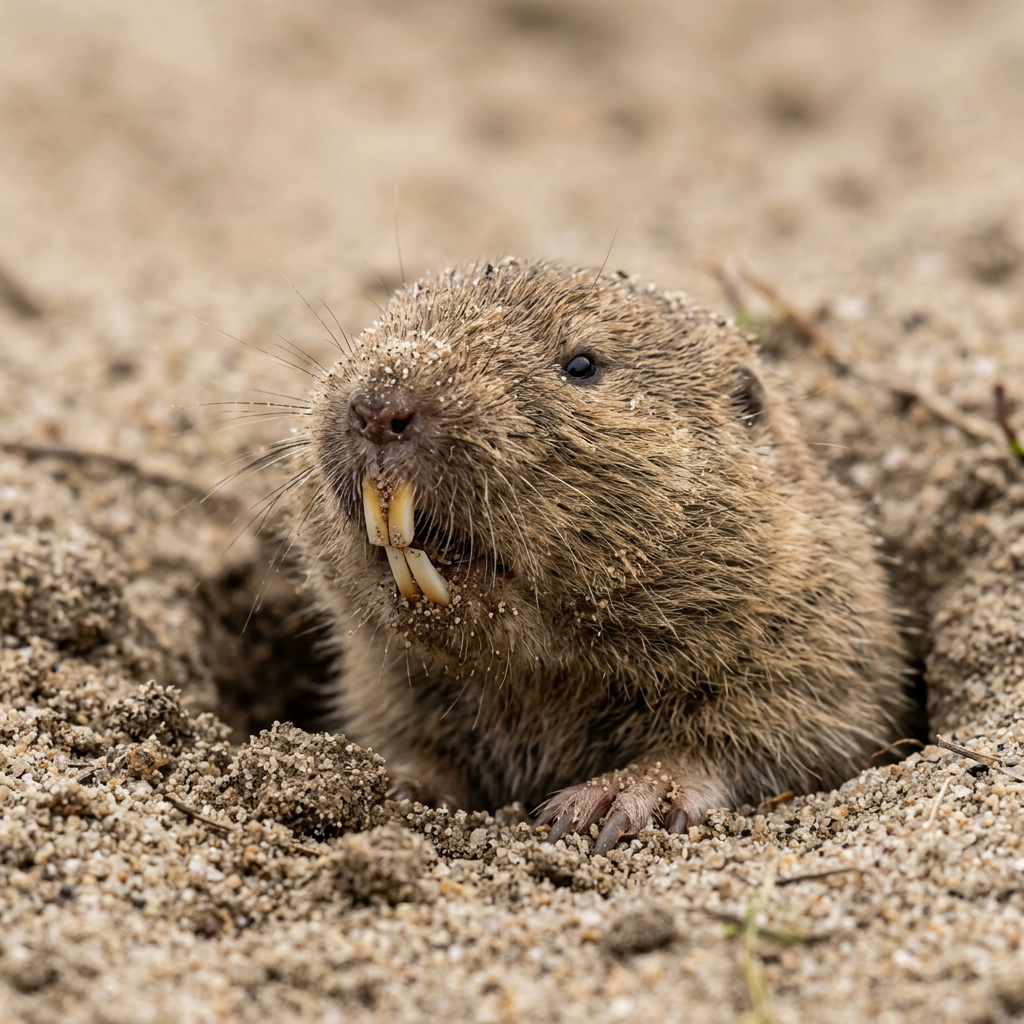 Dune Moles
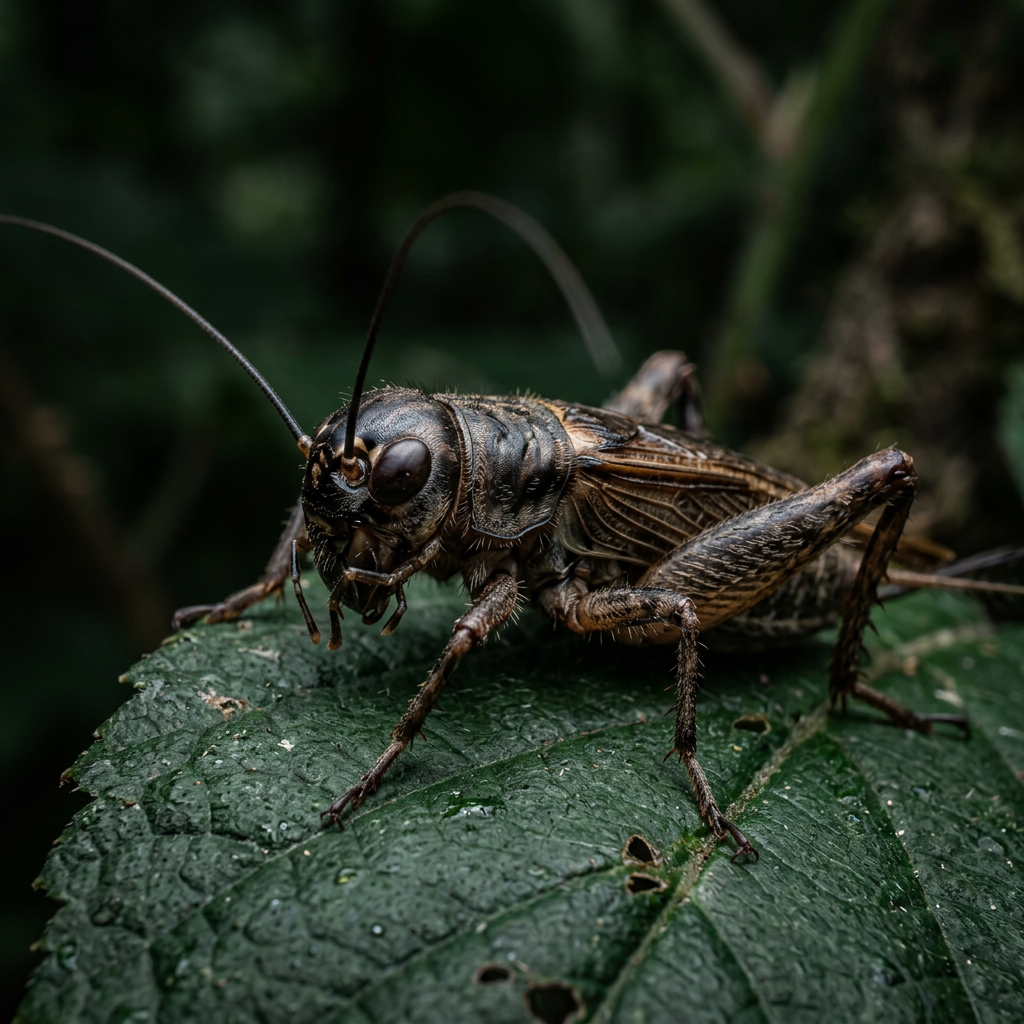 Crickets
 Bird Removal
 Snails & Slugs
 Grain & Flour Beetles
 Weevils
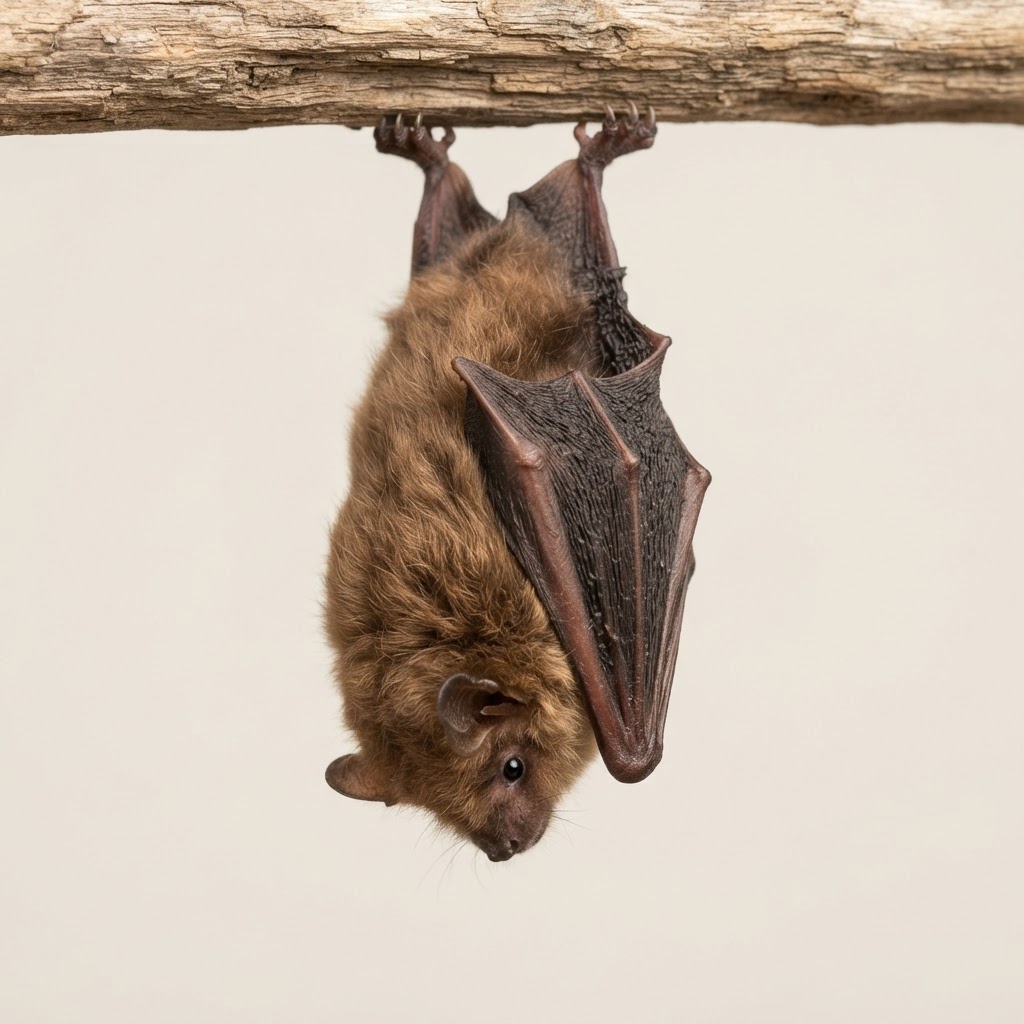 Bat Proofing
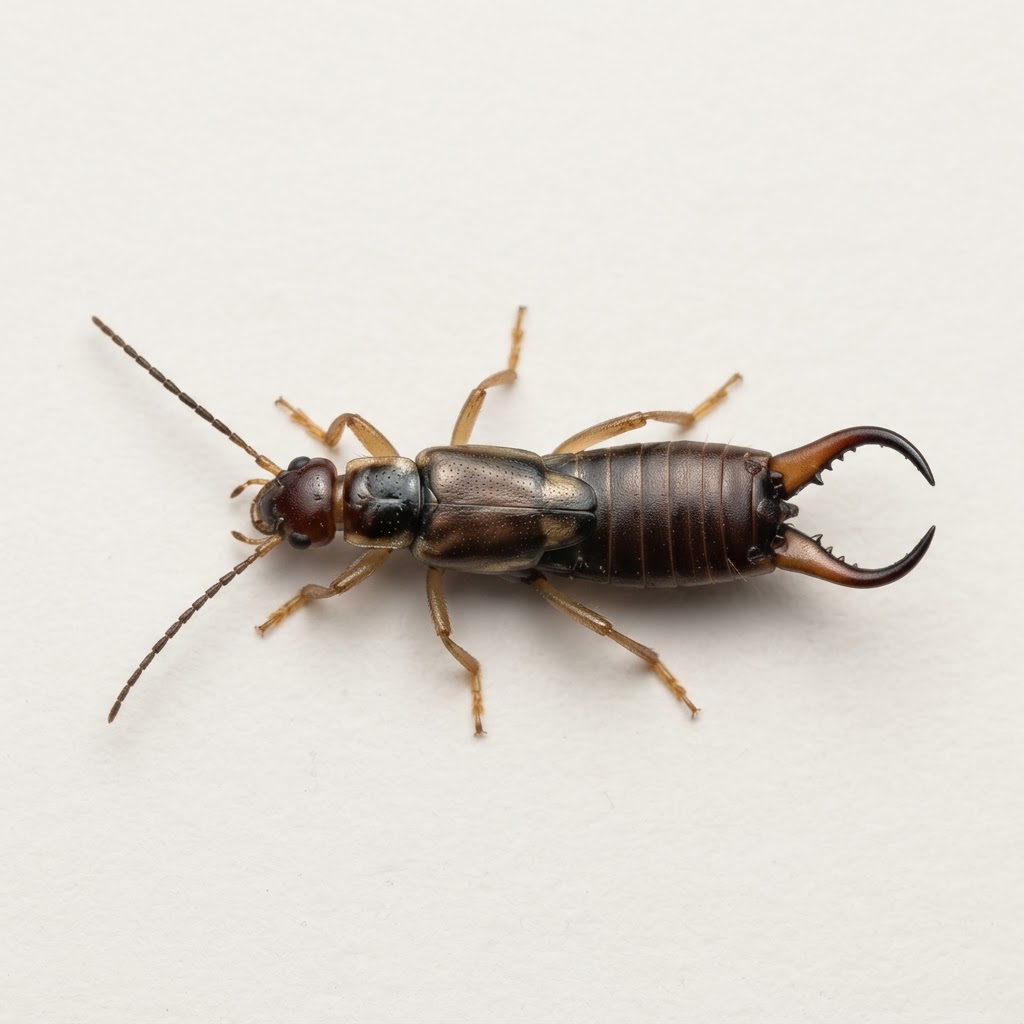 Earwigs
 Silverfish
 Carpenter Ants
 Gecko Control
 Mosquitoes
 Harvester Termites
 General Spray