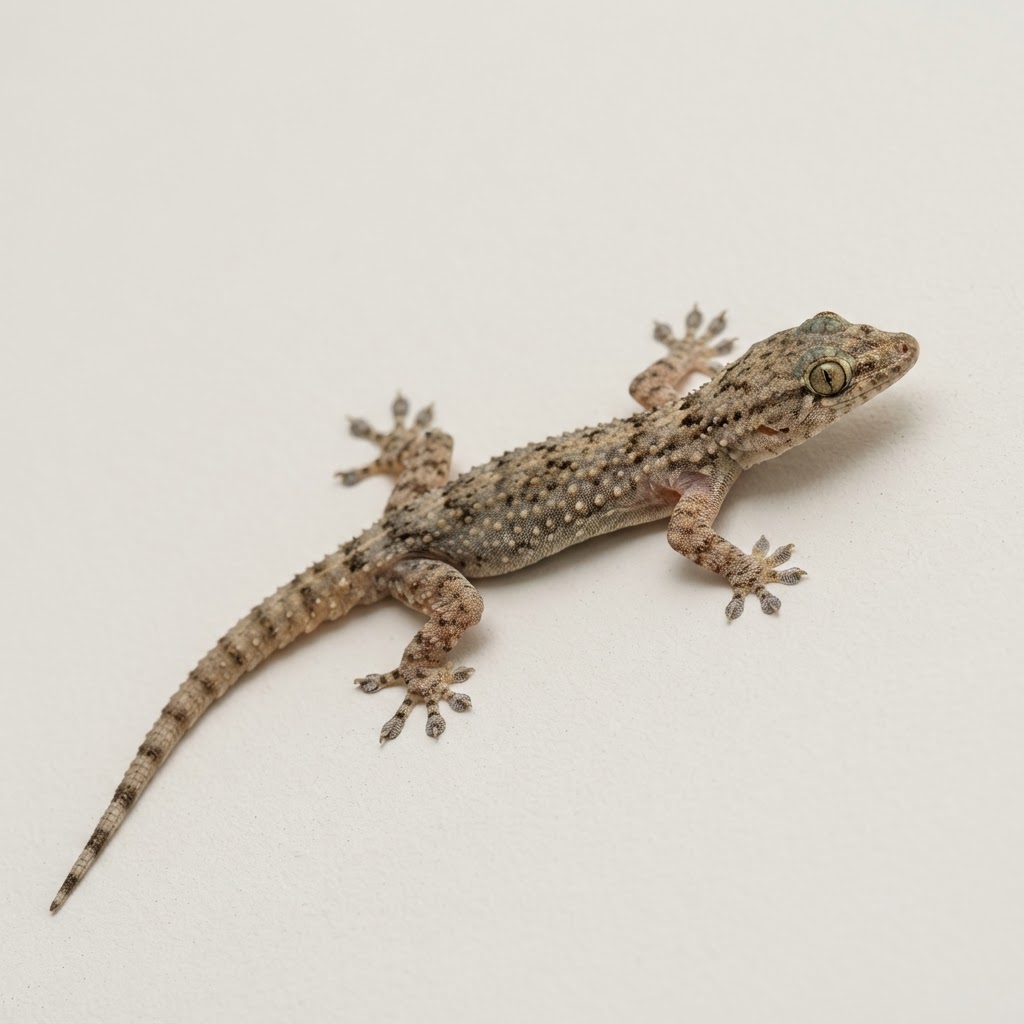
Species Profile
Gecko Control
Hemidactylus spp.
House geckos (Hemidactylus species) are common in Western Cape homes, attracted by insects and warm sheltered roosting sites. While geckos are beneficial insect predators, their droppings can create hygiene and staining issues on walls, ceilings and surfaces. They are particularly problematic in food preparation areas, restaurants and commercial kitchens where their presence creates compliance issues.
Biology & Behaviour
Geckos are nocturnal lizards with specialised toe pads that allow them to climb smooth vertical surfaces including glass and ceilings. They feed on moths, mosquitoes, flies and other insects attracted to lights. Each gecko establishes a territory and returns to the same roost nightly. Females lay pairs of eggs in crevices throughout the summer. Their droppings resemble small dark pellets with a white uric acid tip, accumulating below roosting sites.
Signs of Infestation
Infestation Indicators
Geckos seen on walls and ceilings at night, particularly near lights
Dark droppings with white tips accumulating on surfaces below roost sites
Staining on walls, ceilings and light fittings from accumulated droppings
Egg shells found in crevices, behind picture frames or in stored items
Gecko vocalisations (chirping) at night, particularly during mating season
Clinical Organicism Protocol
Remediation Protocol
The Eco Pestelence 4-phase intervention methodology, calibrated specifically for gecko control.
Detection
Night-time survey to identify roosting sites and entry points. Insect population assessment — geckos are attracted by abundant insect prey. Mapping of droppings accumulation zones.
Isolation
Sealing of all entry gaps ≥6mm around windows, doors, vents and roof edges. Insect population reduction — eliminating the food source is the primary deterrent. Exterior lighting modification to reduce insect attraction.
Neutralization
Safe capture and relocation of resident geckos using humane traps — released to suitable outdoor habitat. Droppings removal and surface sanitisation with enzyme-based disinfectant. Stain treatment on walls and ceilings.
10-Day Elimination Programme
The initial treatment eliminates active pests while eggs continue hatching over the following days — newly hatched pests contact the residual treatment, progressively clearing the infestation within ~10 days.
Shielding
Ongoing insect control programme — without prey, geckos will not establish. Exclusion barrier maintenance at all identified entry points. Annual inspection of food preparation and commercial areas for compliance.
Eco Commitment
Geckos are beneficial insect predators and are relocated humanely — never harmed. The most effective long-term control is reducing the insect population that attracts them. We focus on exclusion and habitat modification rather than lethal methods.
Concerned about gecko control? Request a professional assessment.
Request Gecko Control AssessmentBack to EncyclopediaOther Species
 Ants
 American Cockroaches
 German Cockroaches
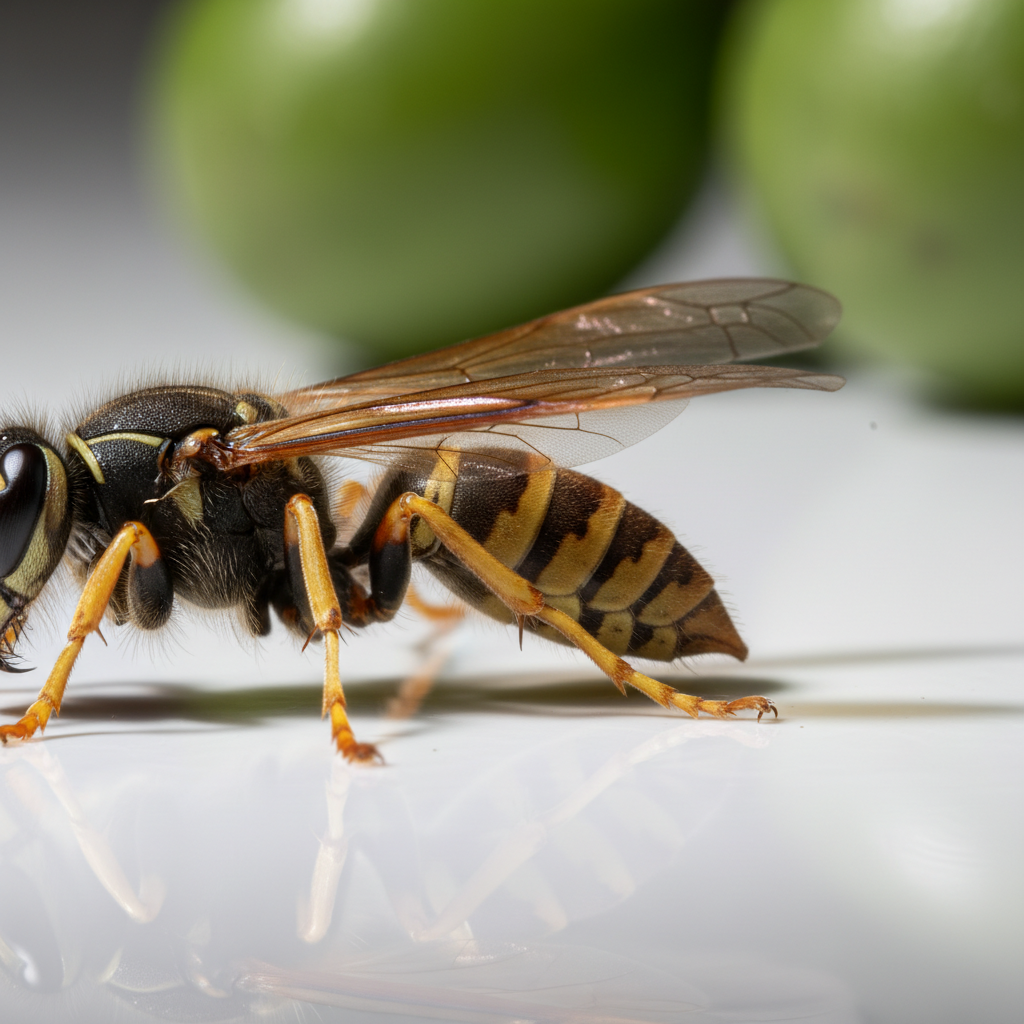 Wasps
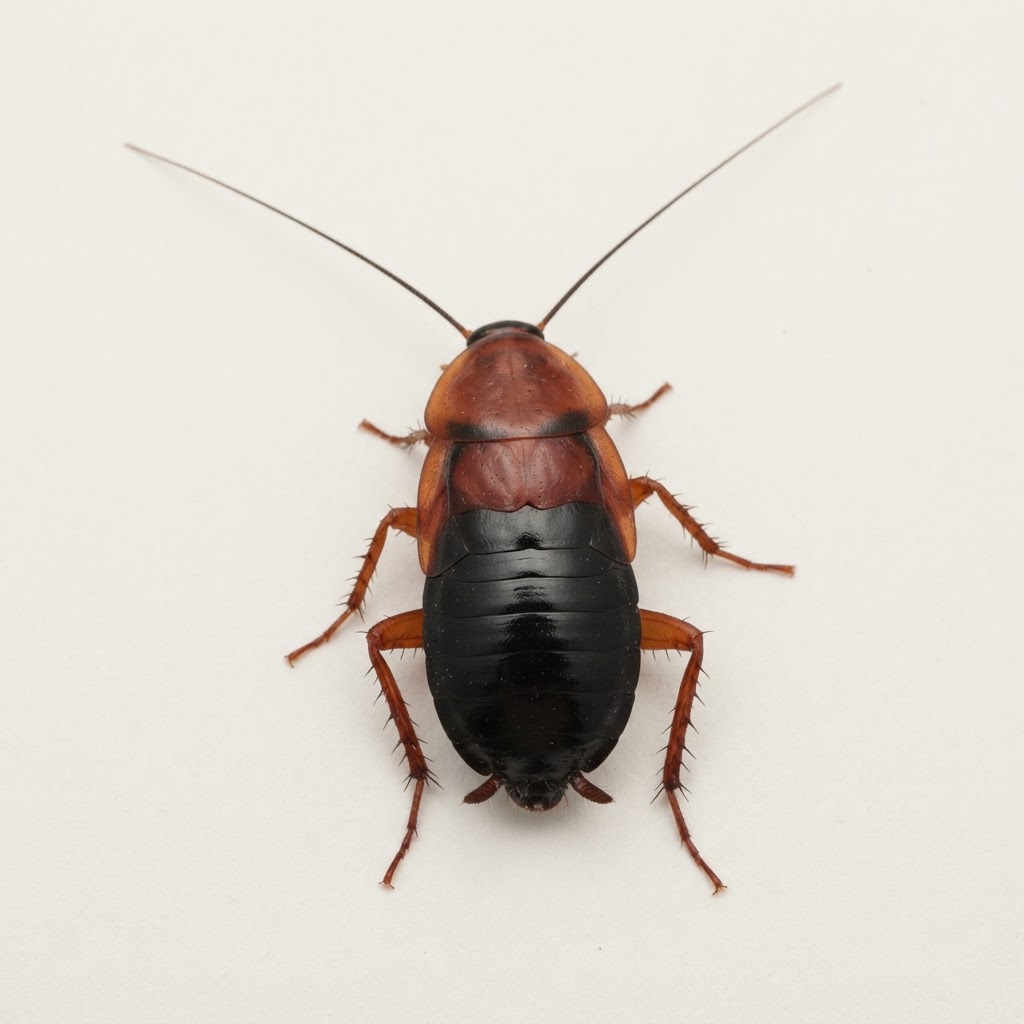 Red-headed Cockroaches
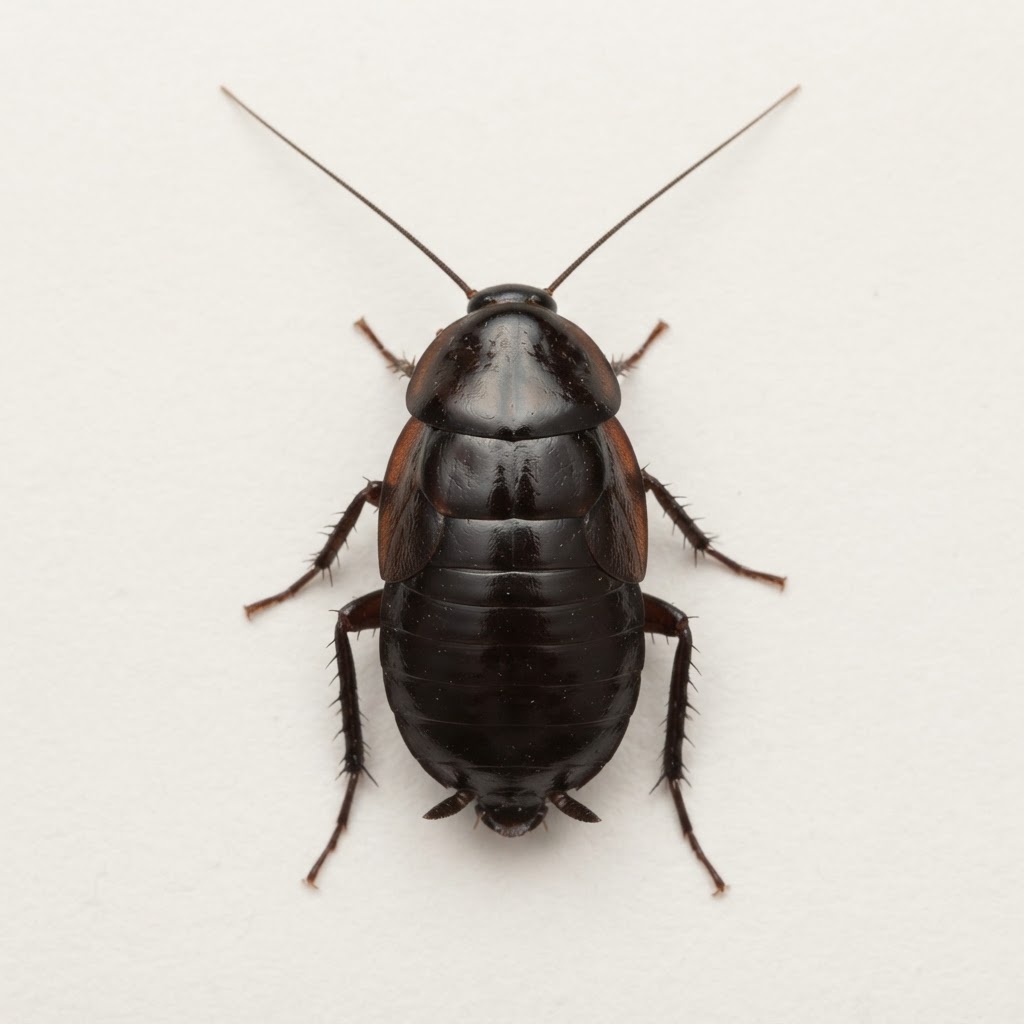 Oriental Cockroaches
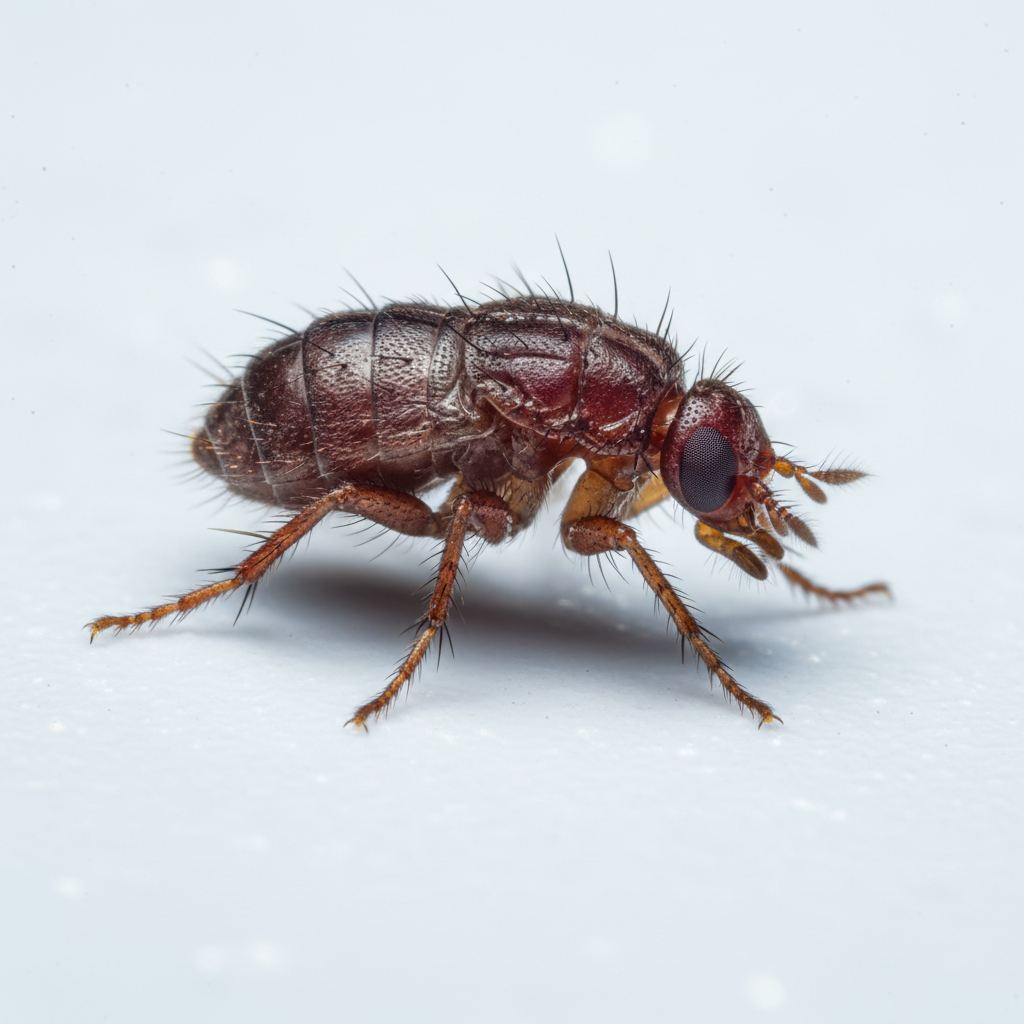 Fleas & Bed Bugs
 All Moths
 Rodents
 Spiders
 Millipedes & Centipedes
 Dune Moles
 Crickets
 Bird Removal
 Snails & Slugs
 Grain & Flour Beetles
 Weevils
 Bat Proofing
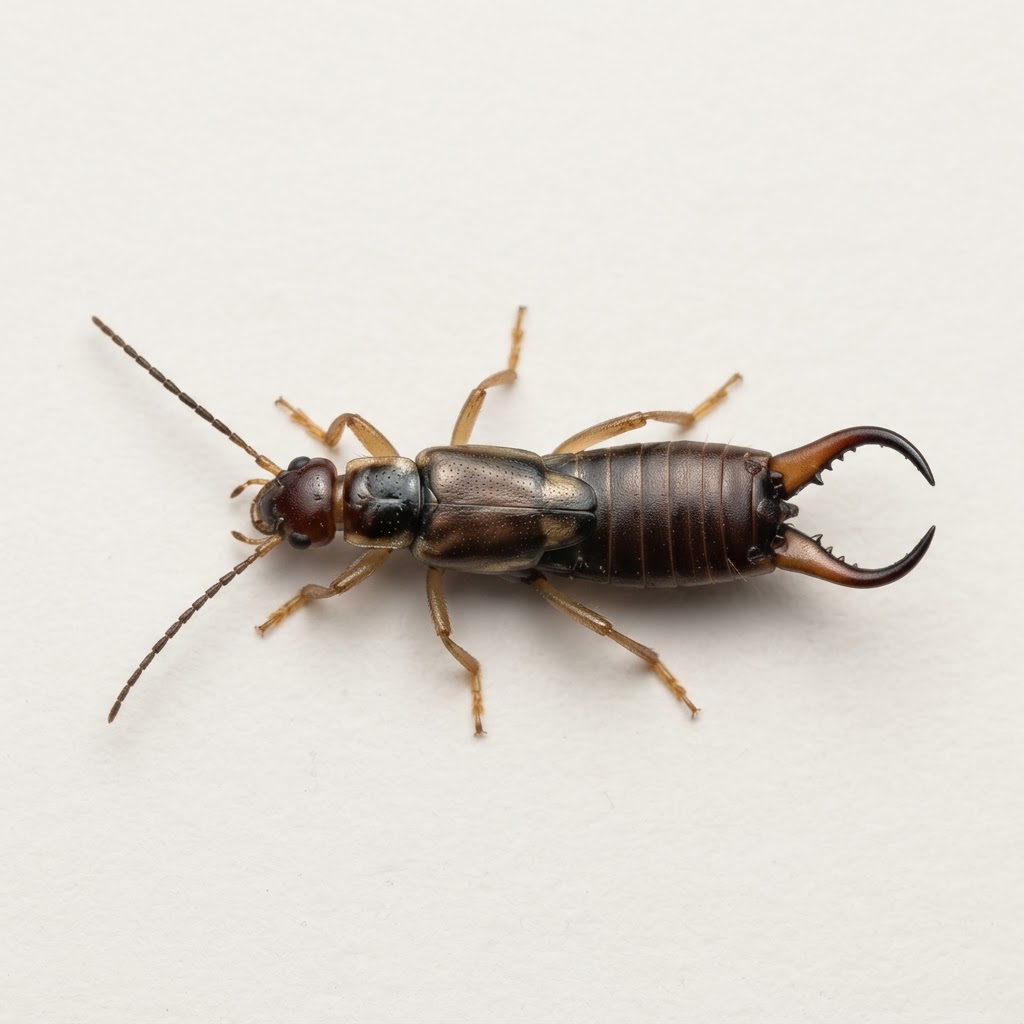 Earwigs
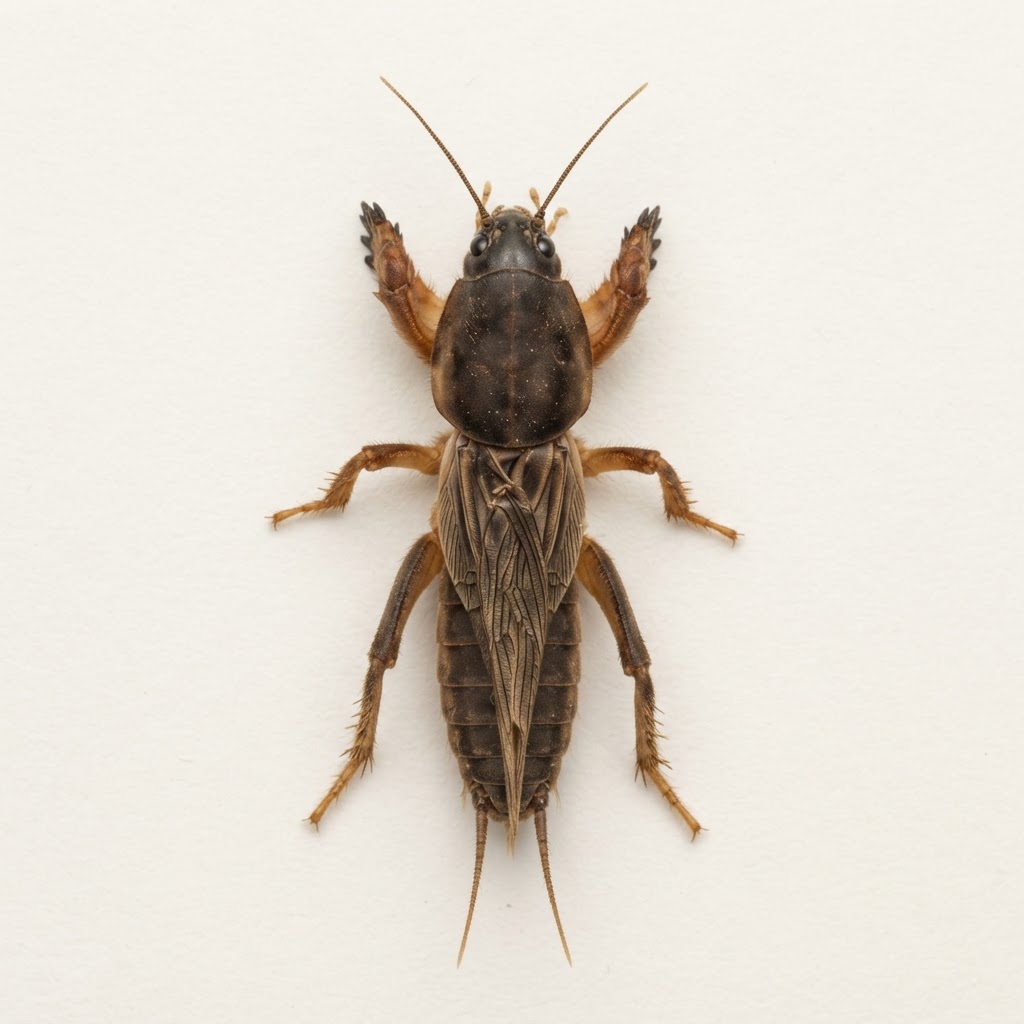 Mole Crickets
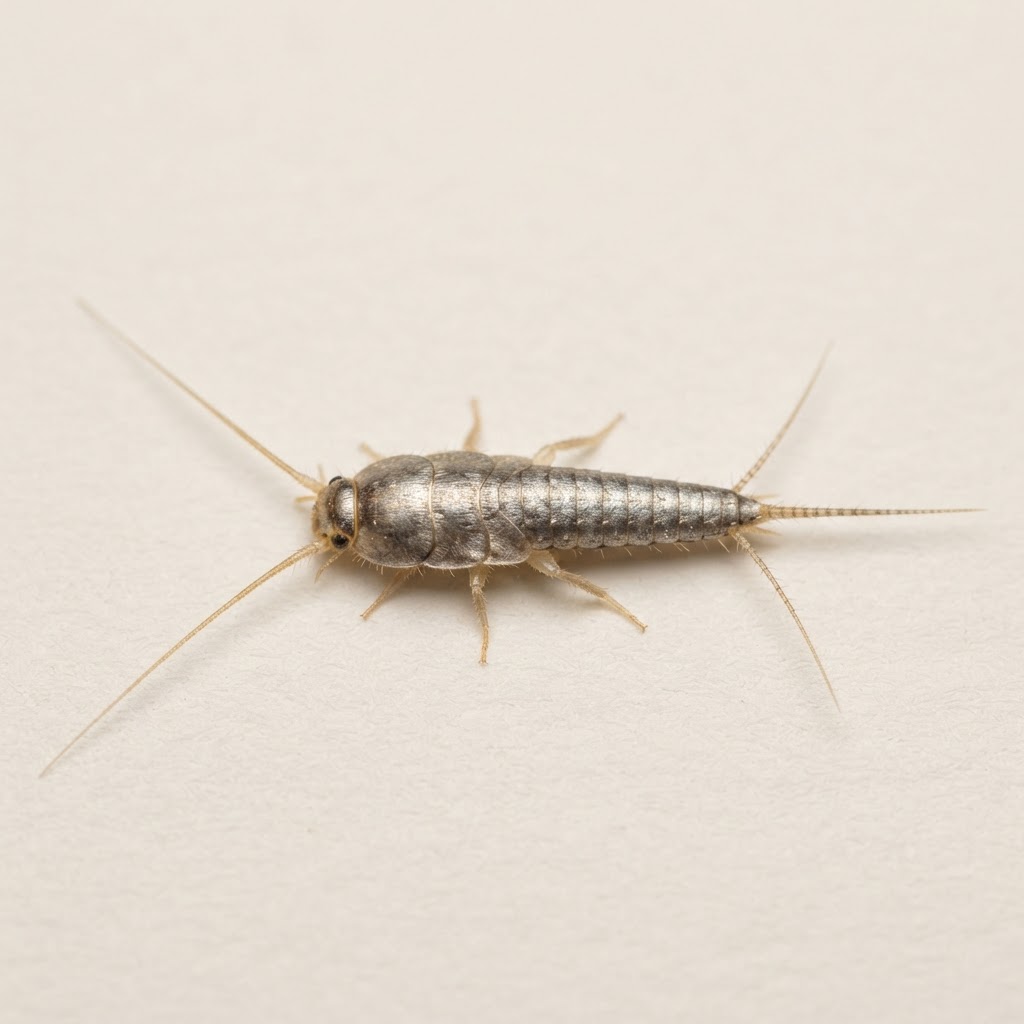 Silverfish
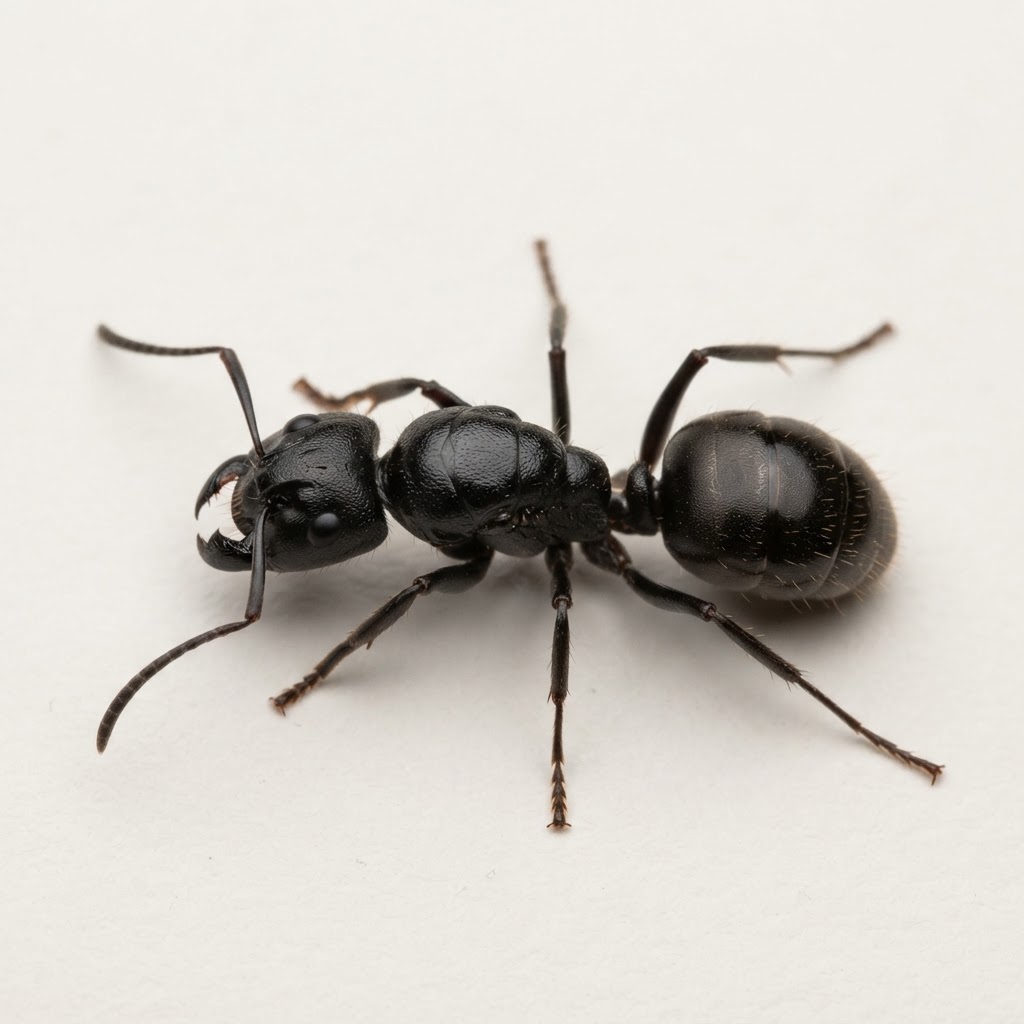 Carpenter Ants
 Mosquitoes
 Harvester Termites
 General Spray