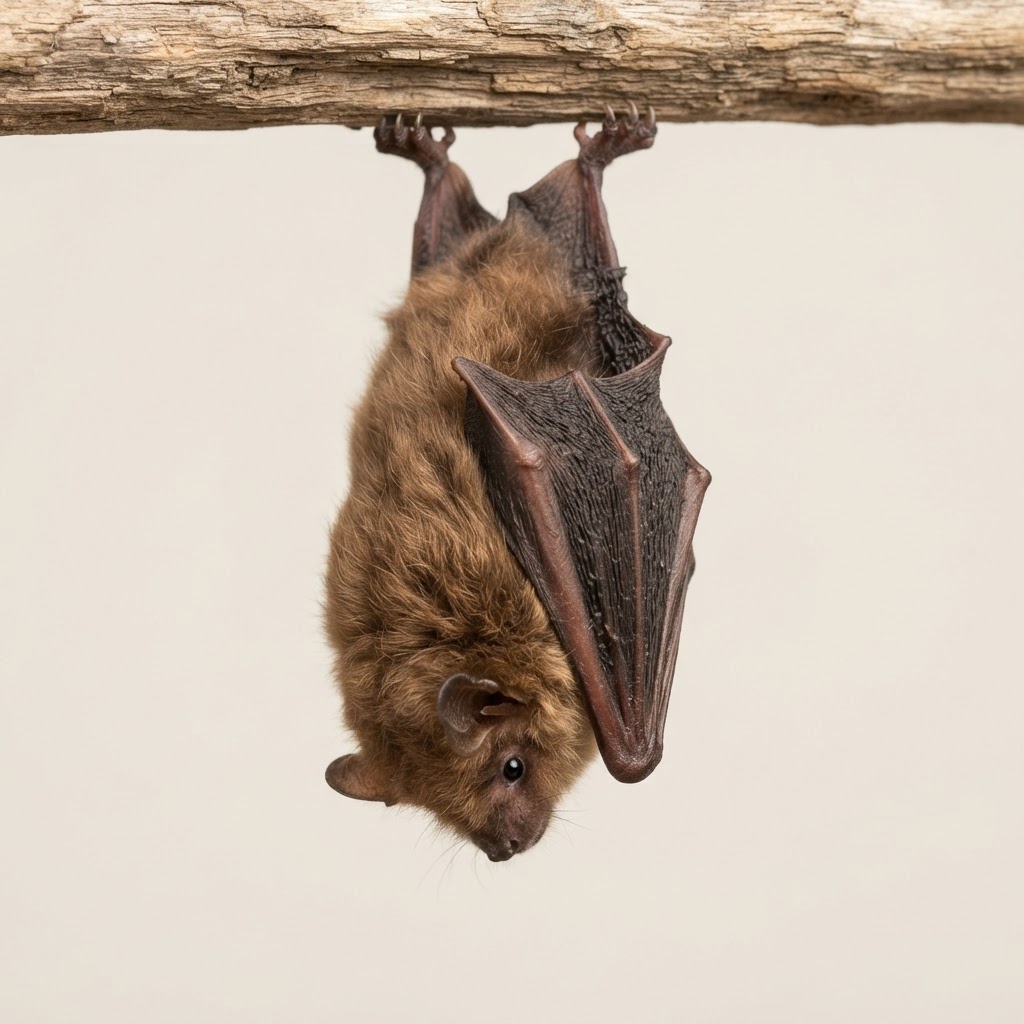
Species Profile
Bat Proofing
Chiroptera (multiple species)
Bats are protected by law in South Africa under the National Environmental Management: Biodiversity Act. Several species roost in roof voids, attics and eaves of homes in the Western Cape, including the Egyptian fruit bat and various insectivorous species. While ecologically vital, bats in roof spaces create significant hygiene issues through accumulations of guano, noise disturbance, and potential disease transmission including histoplasmosis and rabies.
Biology & Behaviour
Bats are nocturnal mammals that exit at dusk to feed and return before dawn. They are highly site-faithful, returning to the same roost year after year. Colonies can range from a few individuals to thousands. Guano accumulates rapidly beneath roost sites, creating strong odour and attracting secondary insect pests. Bats can enter through gaps as small as 10mm. Females give birth to a single pup per year, making colonies slow to recover from disturbance.
Signs of Infestation
Infestation Indicators
Squeaking or scratching sounds in roof voids at dusk and dawn
Guano (dark, mouse-dropping-sized droppings) accumulating below entry points
Ammonia-like odour from accumulated urine and guano
Dark staining marks around roof entry gaps and eaves
Bats seen exiting from roof vents, eaves or under ridge tiles at dusk
Clinical Organicism Protocol
Remediation Protocol
The Eco Pestelence 4-phase intervention methodology, calibrated specifically for bat proofing.
Detection
Full roof void inspection with endoscope camera to identify all roost sites and entry points. Bat species identification and colony size assessment. Timing scheduled to avoid maternity season (November–February in Western Cape) when pups are present.
Isolation
One-way exclusion valves installed at all identified entry points — bats exit but cannot re-enter. All secondary entry points sealed with durable materials (mesh, sealant, flashing). Exclusion timed for when no flightless pups are present.
Neutralization
Guano removal with full biohazard PPE protocol. Roof void decontamination with enzyme-based disinfectant to neutralise histoplasmosis spores. Odour neutralisation treatment applied to affected timber and insulation.
10-Day Elimination Programme
The initial treatment eliminates active pests while eggs continue hatching over the following days — newly hatched pests contact the residual treatment, progressively clearing the infestation within ~10 days.
Shielding
Permanent exclusion barrier installation — all gaps ≥10mm sealed with rodent-proof mesh. Annual roof inspection recommended before breeding season. Alternative roost provision (bat box) advisory to support displaced colony ecologically.
Eco Commitment
Bats are legally protected and ecologically essential — a single bat consumes thousands of insects nightly. We use one-way exclusion valves only, never harm or poison. Displaced colonies are supported with bat box installation recommendations.
Concerned about bat proofing? Request a professional assessment.
Request Bat Proofing AssessmentBack to EncyclopediaOther Species
 Ants
 American Cockroaches
 German Cockroaches
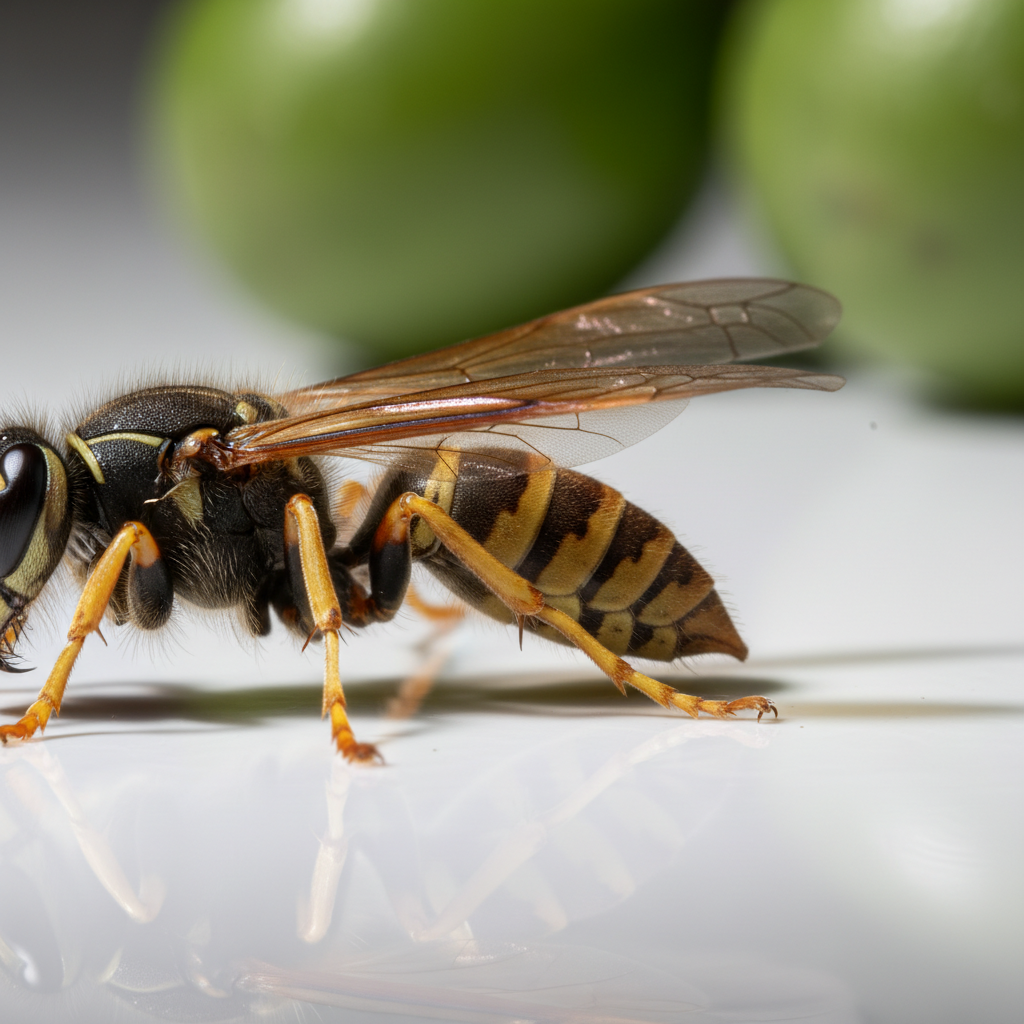 Wasps
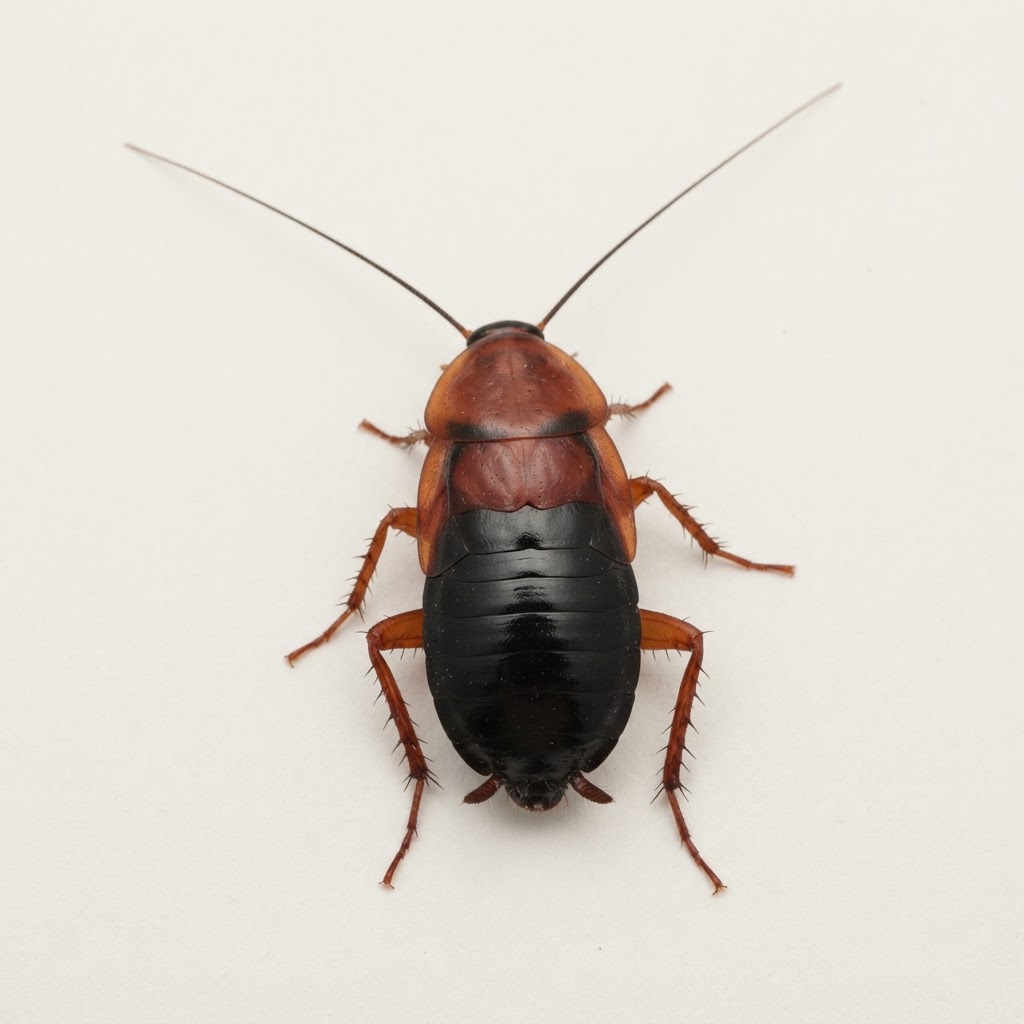 Red-headed Cockroaches
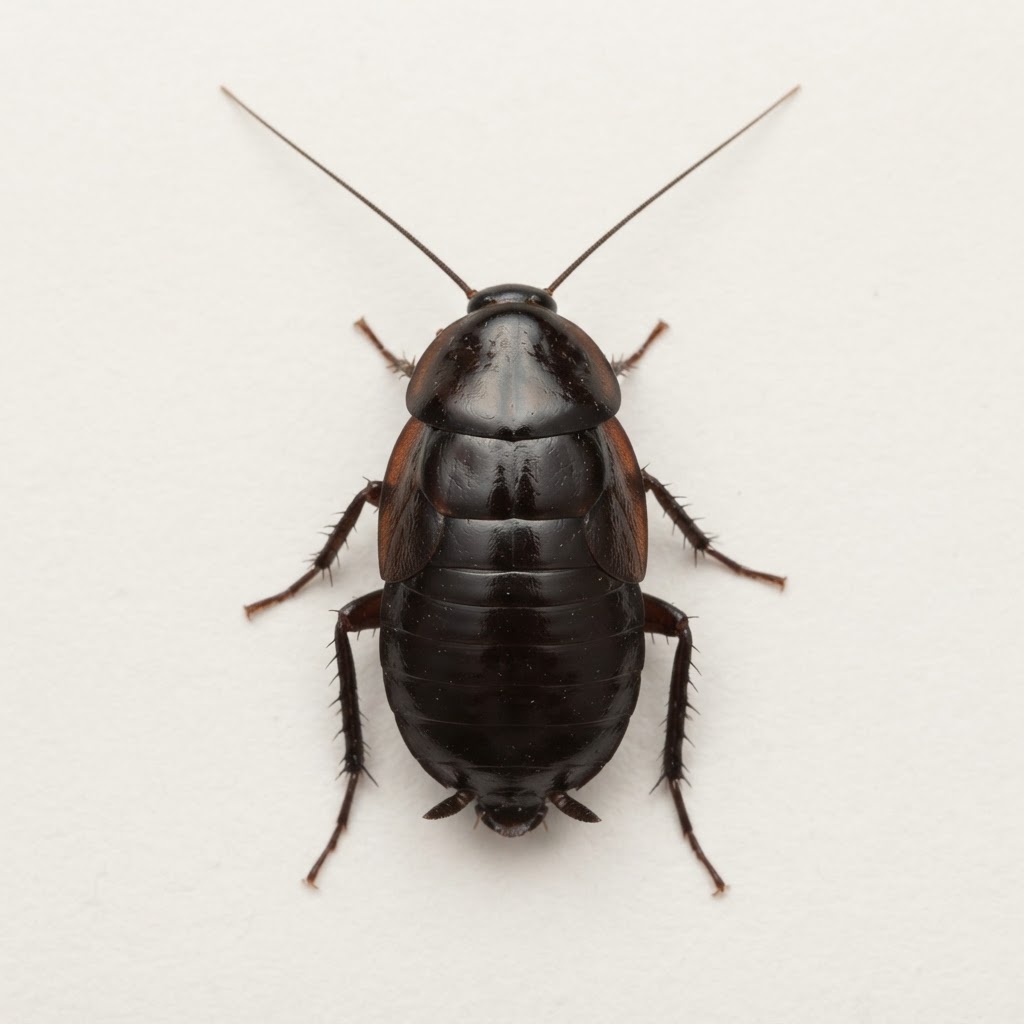 Oriental Cockroaches
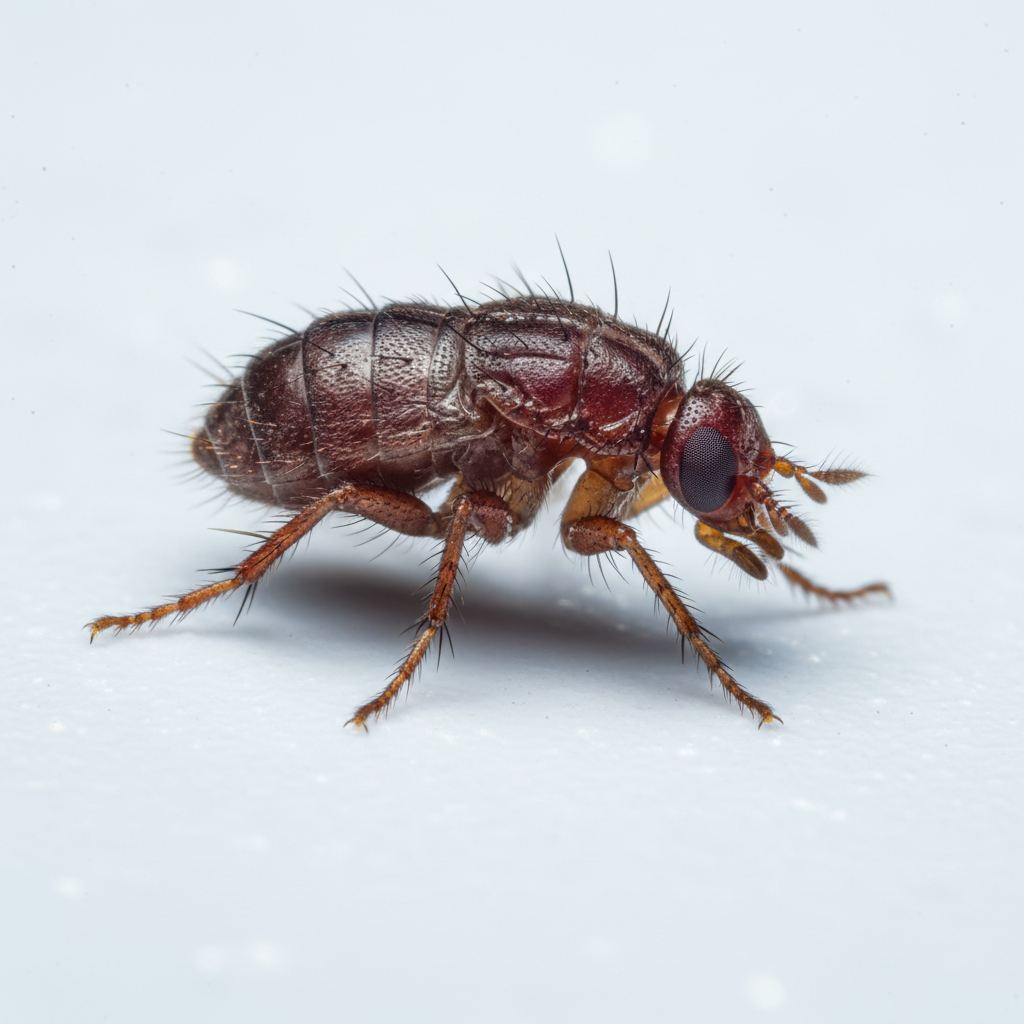 Fleas & Bed Bugs
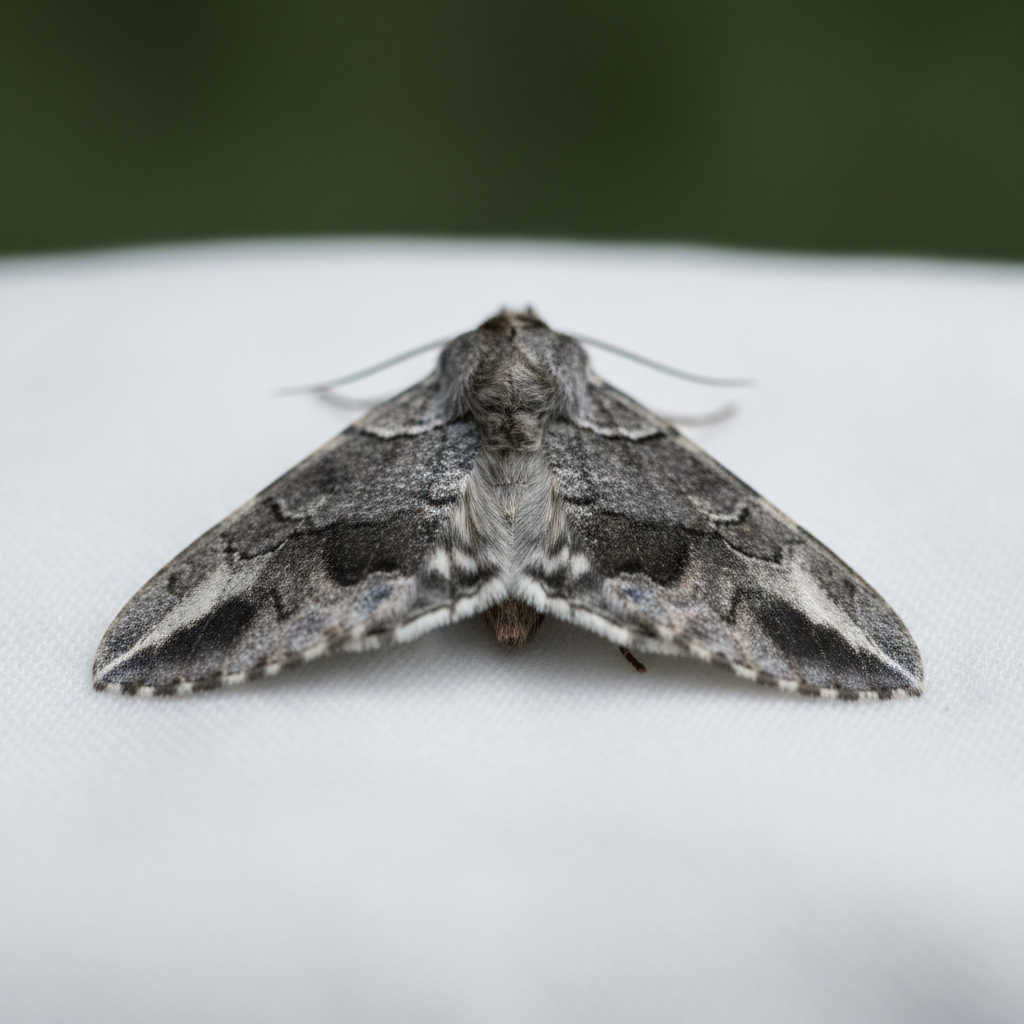 All Moths
 Rodents
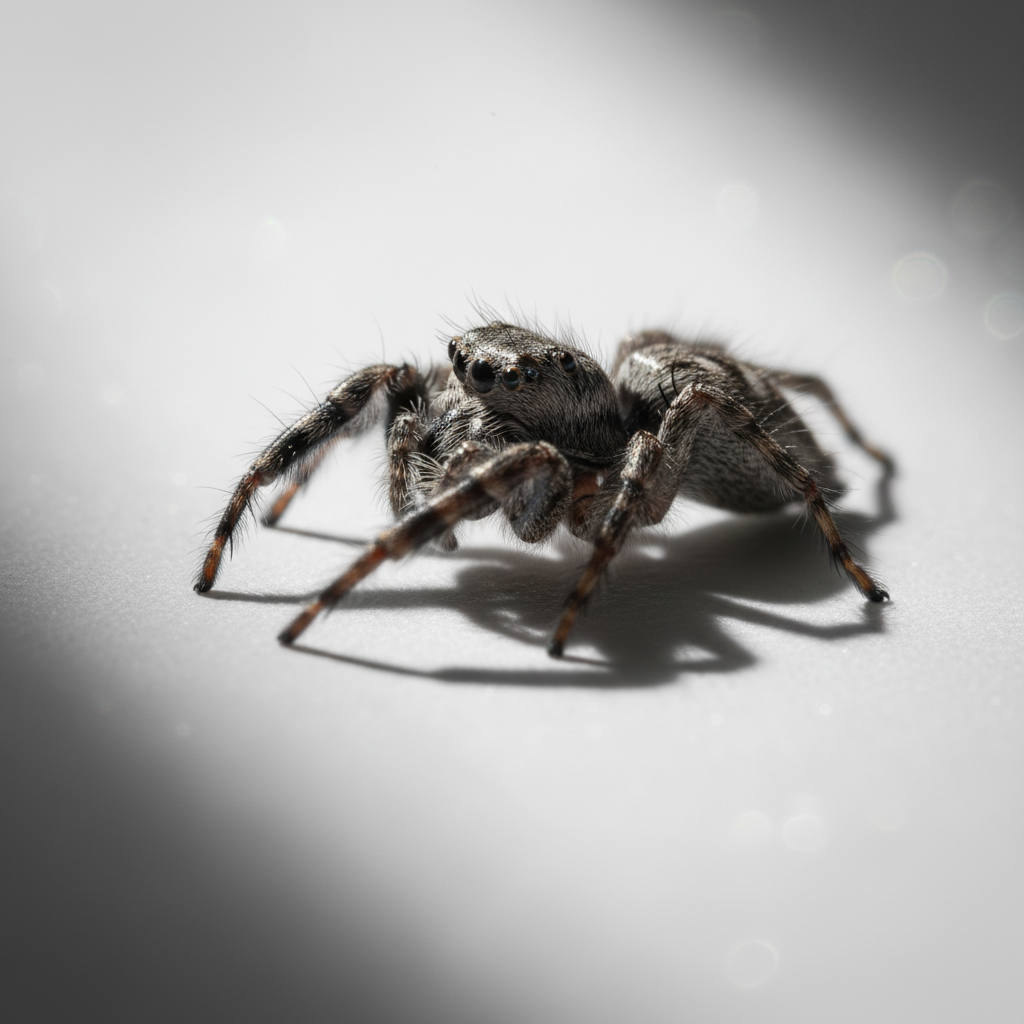 Spiders
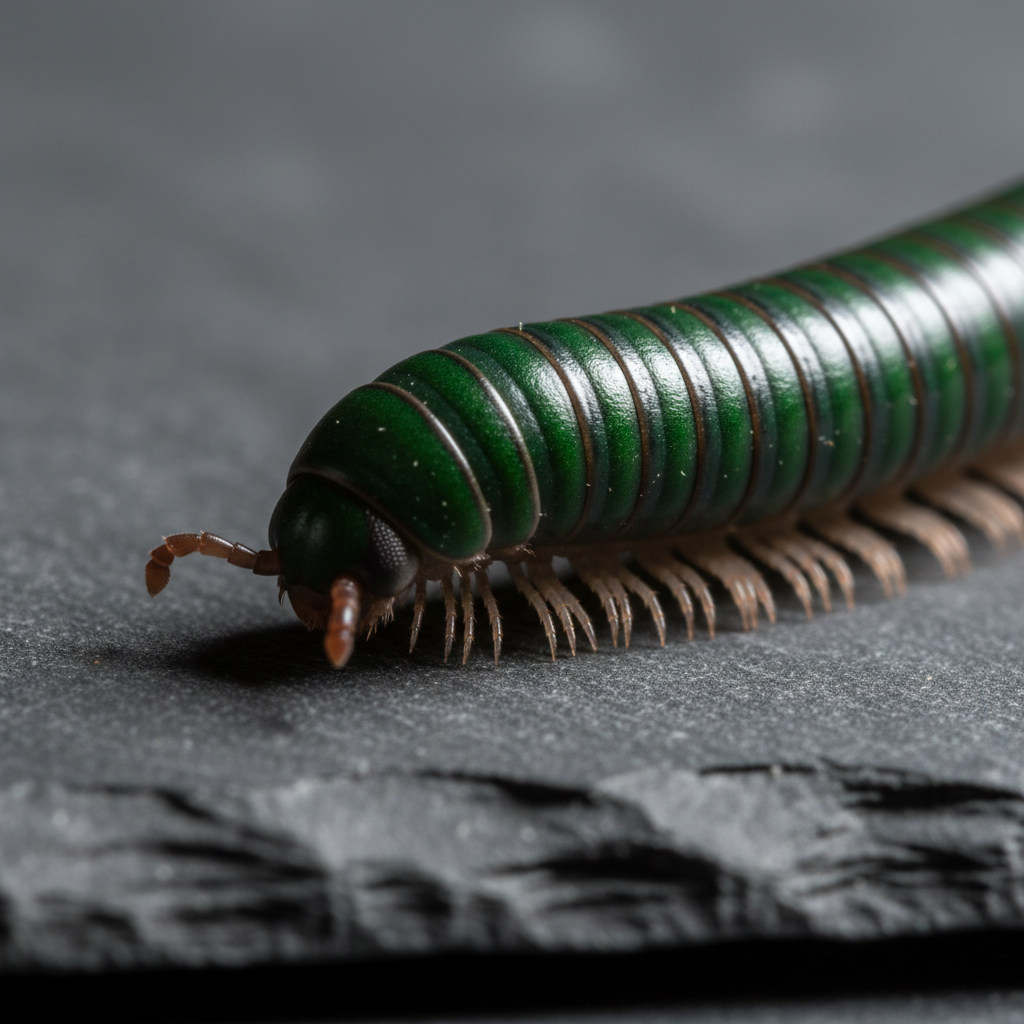 Millipedes & Centipedes
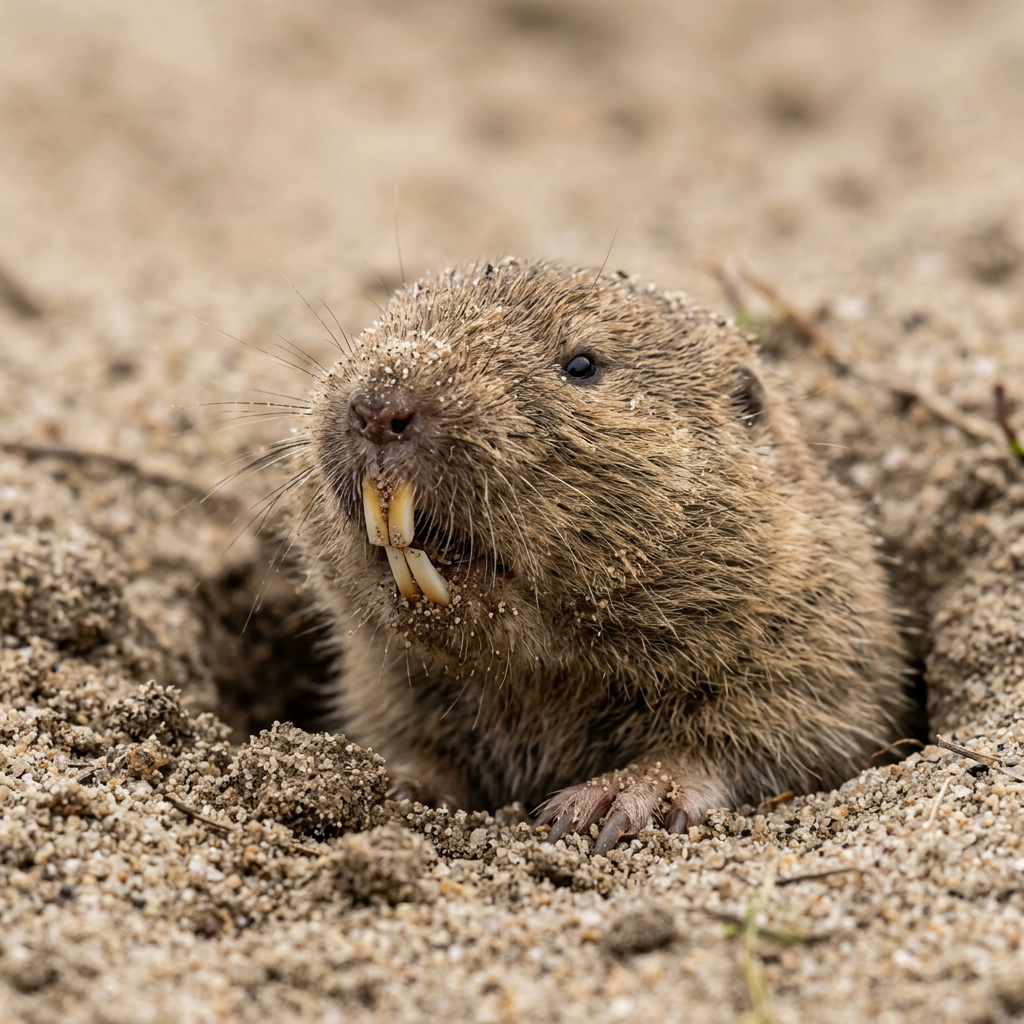 Dune Moles
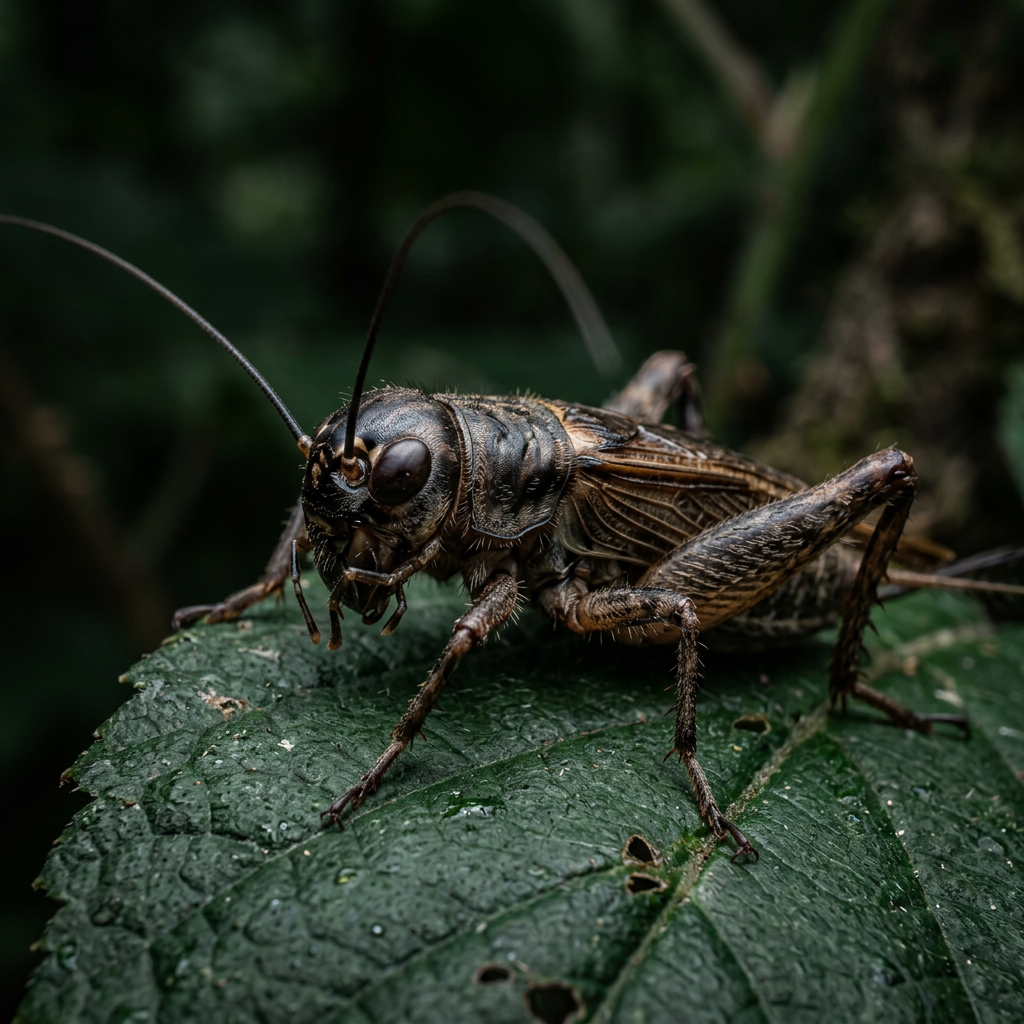 Crickets
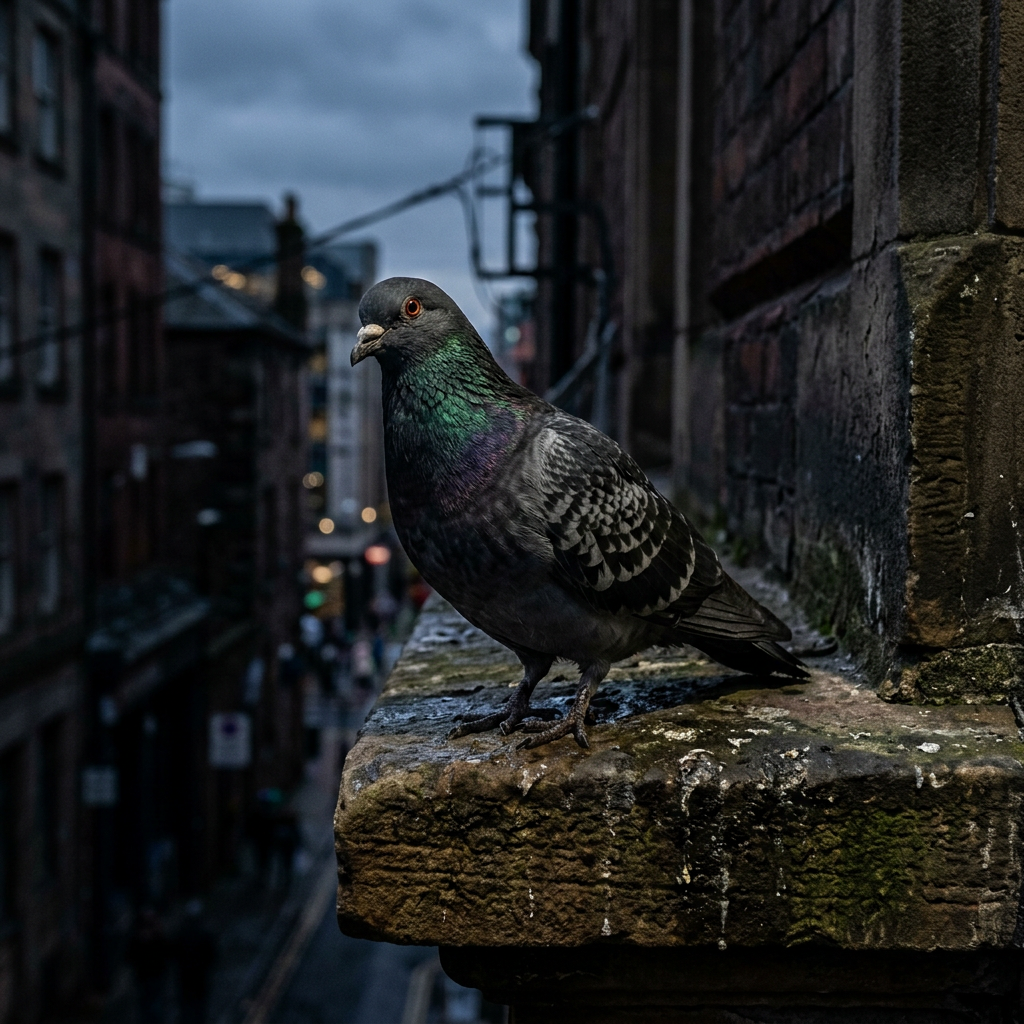 Bird Removal
 Snails & Slugs
 Grain & Flour Beetles
 Weevils
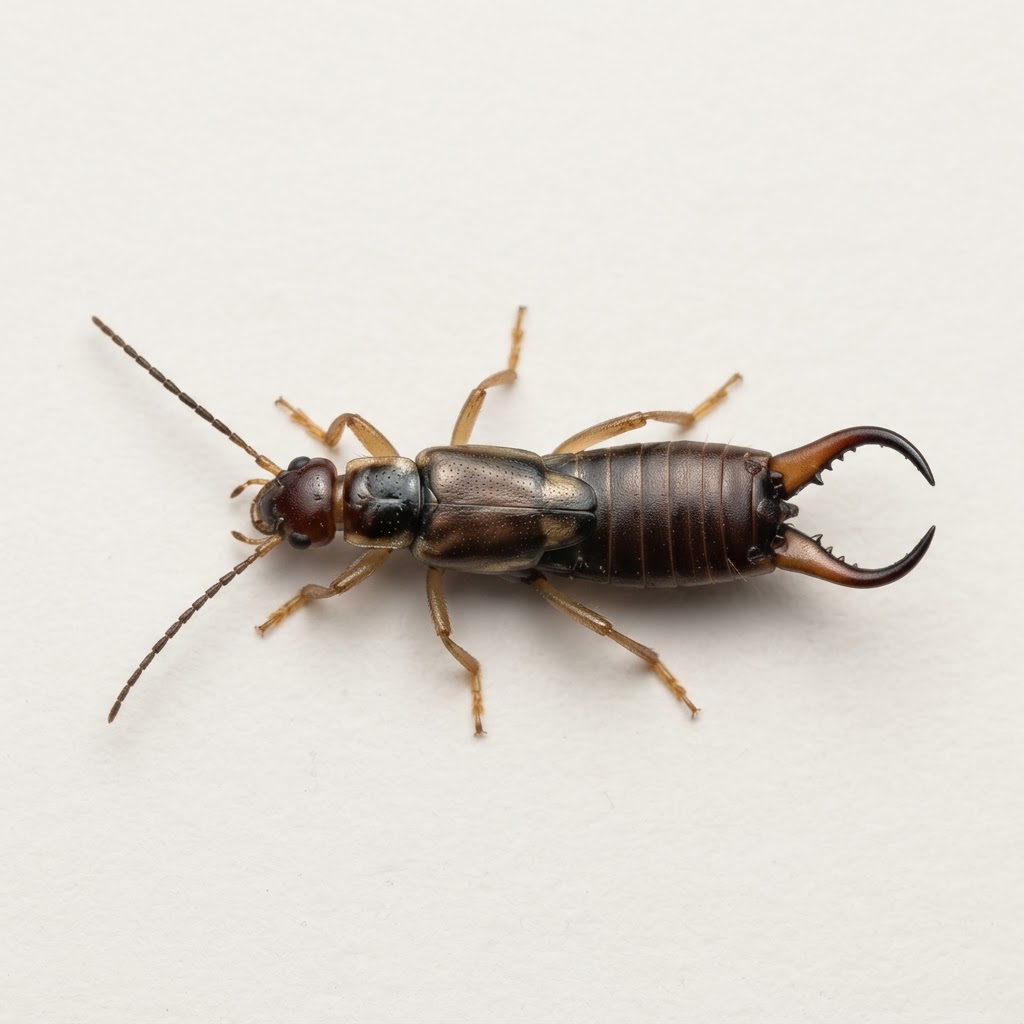 Earwigs
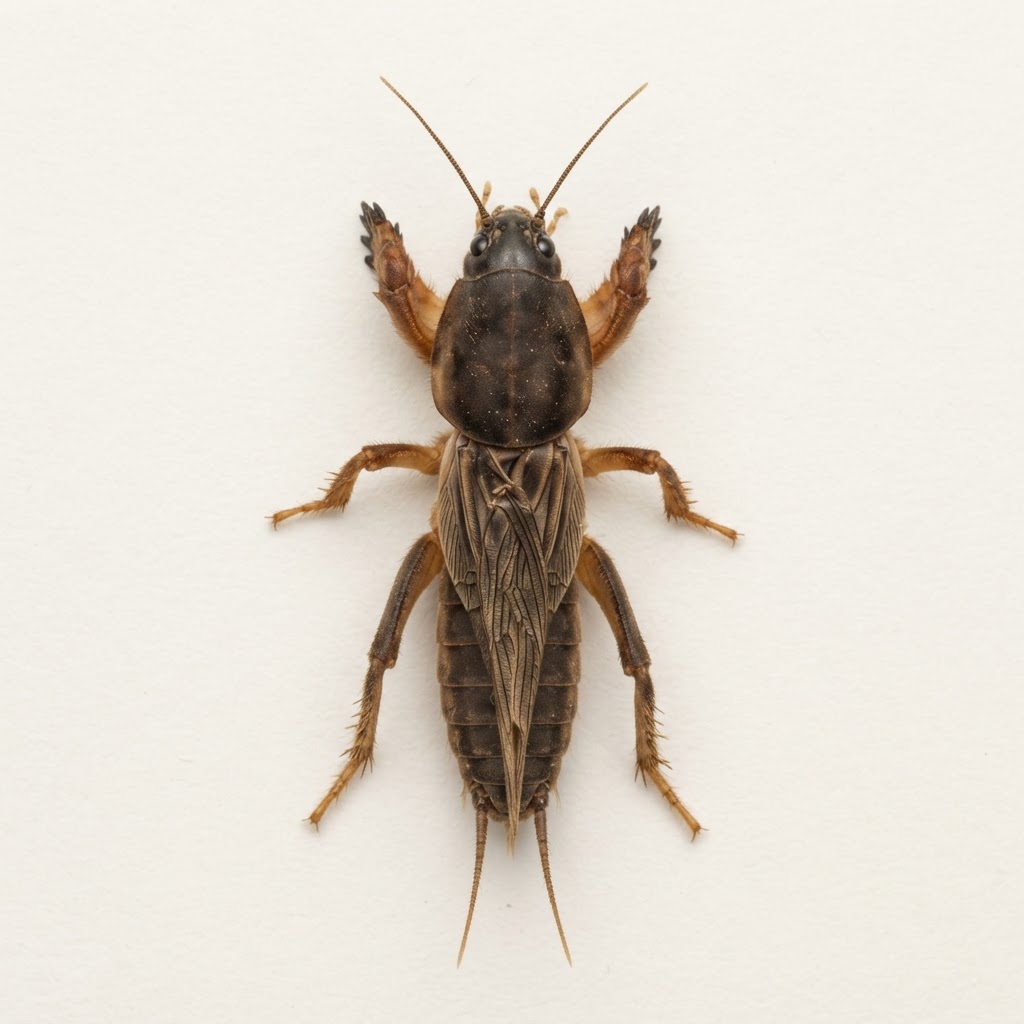 Mole Crickets
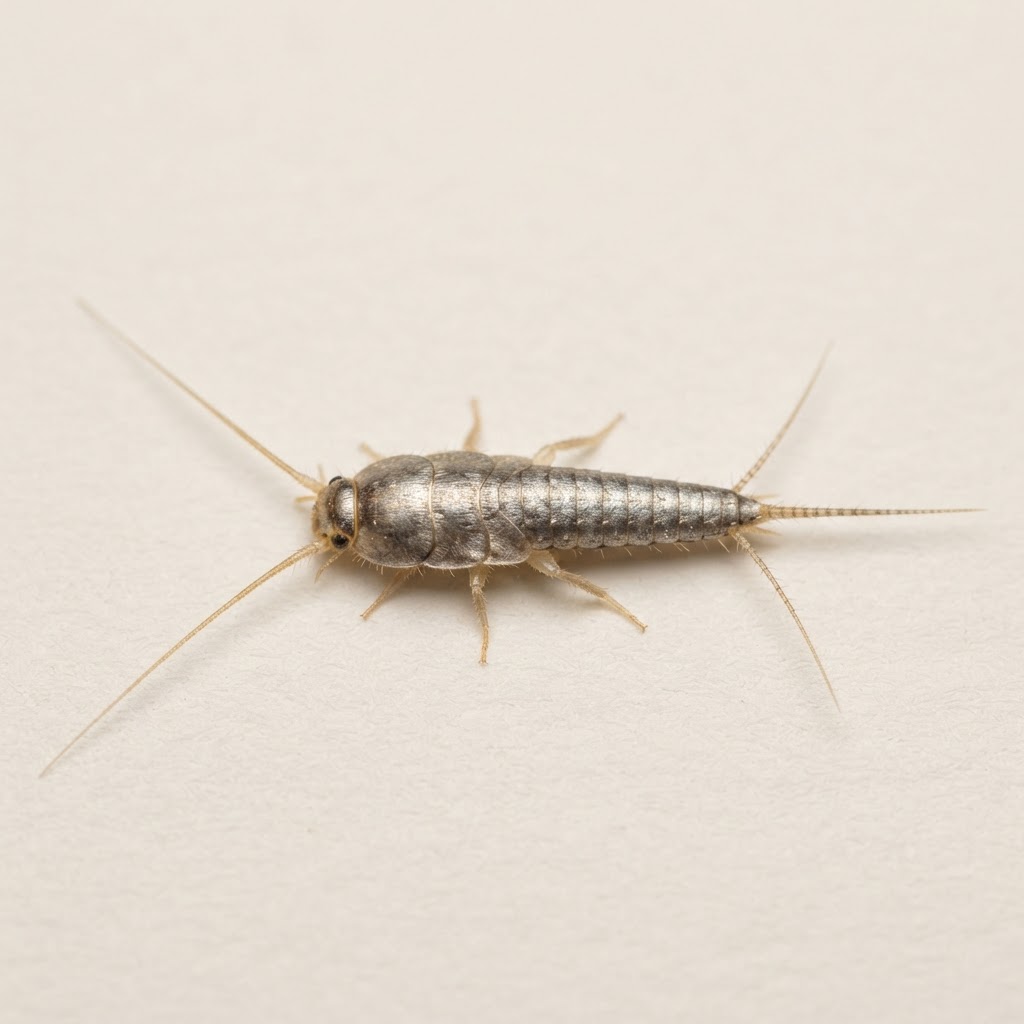 Silverfish
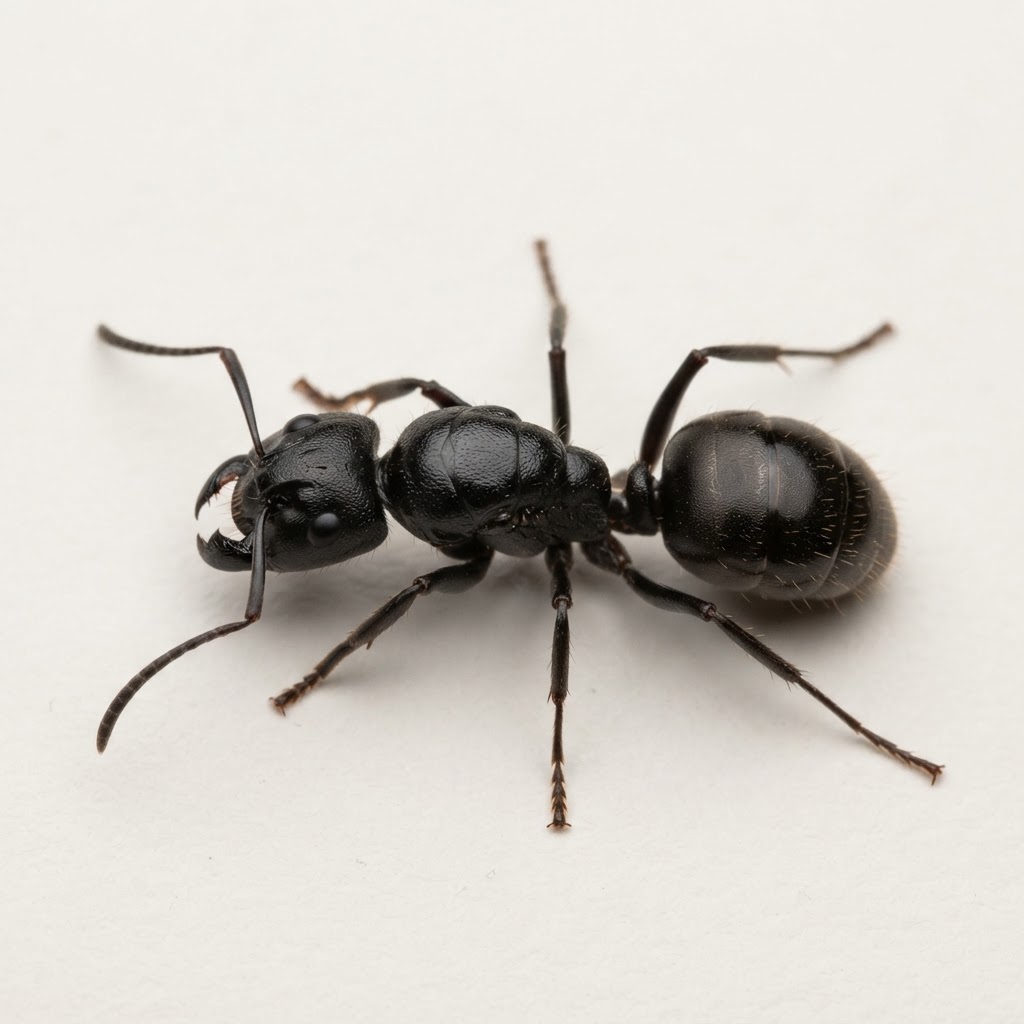 Carpenter Ants
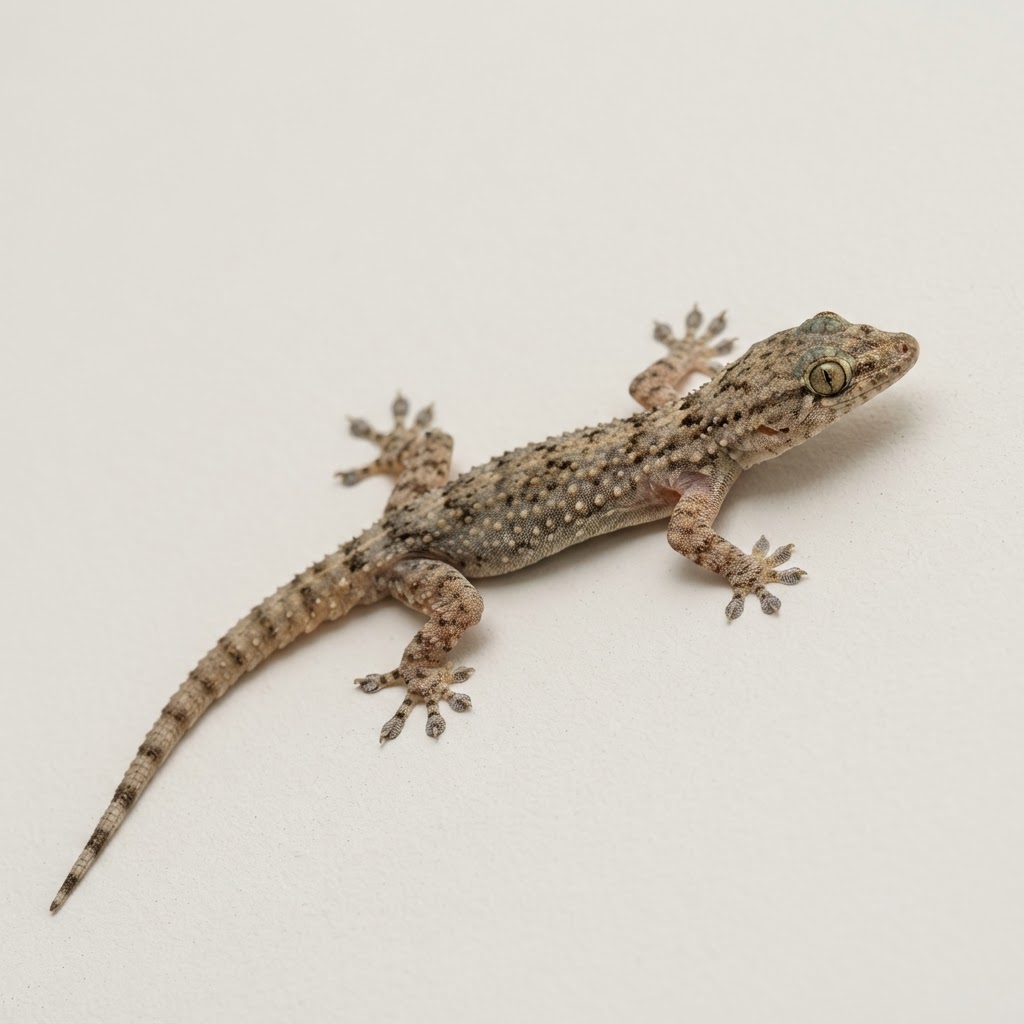 Gecko Control
 Mosquitoes
 Harvester Termites
 General Spray