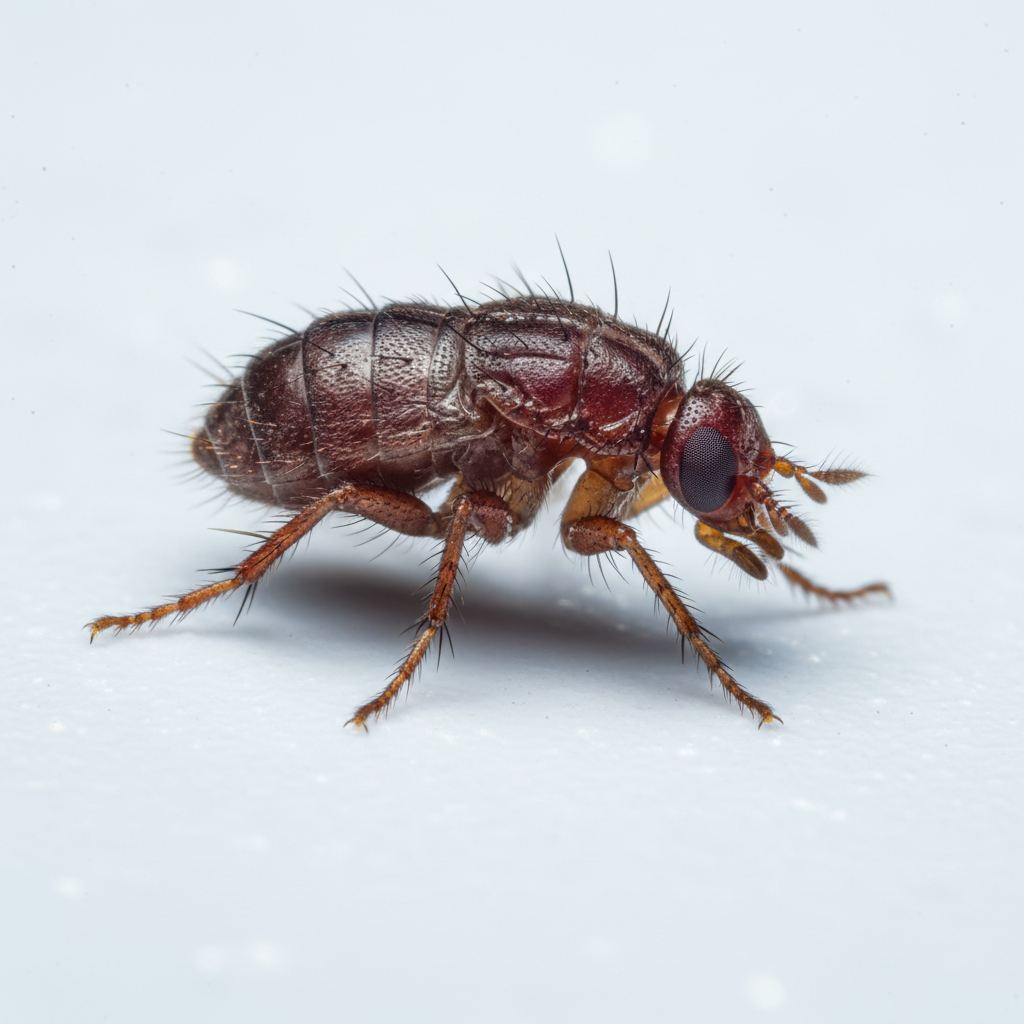
Species Profile
Fleas & Bed Bugs
Ctenocephalides felis / Cimex lectularius
Fleas (Ctenocephalides felis) and bed bugs (Cimex lectularius) are blood-feeding ectoparasites that represent two of the most distressing domestic infestations. Fleas are vectors for tapeworm and historically transmitted plague; a single female lays up to 50 eggs per day and the lifecycle persists in carpets for up to a year. Bed bugs are wingless, nocturnal insects that feed exclusively on human blood, hiding in mattress seams, bed frames and wall voids during daylight hours. Both species require a comprehensive, multi-stage treatment approach for eradication.
Biology & Behaviour
Flea pupae are insecticide-resistant and can remain dormant for months, hatching when vibration or CO2 signals host presence — explaining recurring infestations. Bed bugs are not vectors of disease but cause intense psychological distress. Adults can survive up to 12 months without feeding. They navigate by body heat and CO2 at night, returning to harbourage sites before dawn. Female bed bugs lay 1–5 eggs per day; eggs hatch in 6–10 days.
Signs of Infestation
Infestation Indicators
Pets scratching, biting or over-grooming excessively (fleas)
Small red, itchy bites on humans — flea bites on ankles; bed bug bites in lines on exposed skin
"Flea dirt" (black pepper-like specks) on pet bedding or fur
Rusty brown staining and dark spots on mattress seams or headboards (bed bug excrement)
Shed skins and live insects in mattress folds, box springs and behind headboards
Sweet, musty odour in heavily infested rooms (bed bugs)
Clinical Organicism Protocol
Remediation Protocol
The Eco Pestelence 4-phase intervention methodology, calibrated specifically for fleas & bed bugs.
Detection
White sock test for flea hotspot mapping and pet burden assessment. Thorough bed bug inspection using CO2 lures, UV torches and magnification — checking mattress seams, frames, skirting boards, electrical outlets and furniture joints. Lifecycle stage sampling to inform treatment selection.
Isolation
All pet bedding laundered at 60°C and pet flea treatment coordinated. Infested mattresses encased in bed bug-proof encasements. Clutter reduction to eliminate harbourage sites. Client preparation protocol issued (clearing floor areas, laundering all bedding).
Neutralization
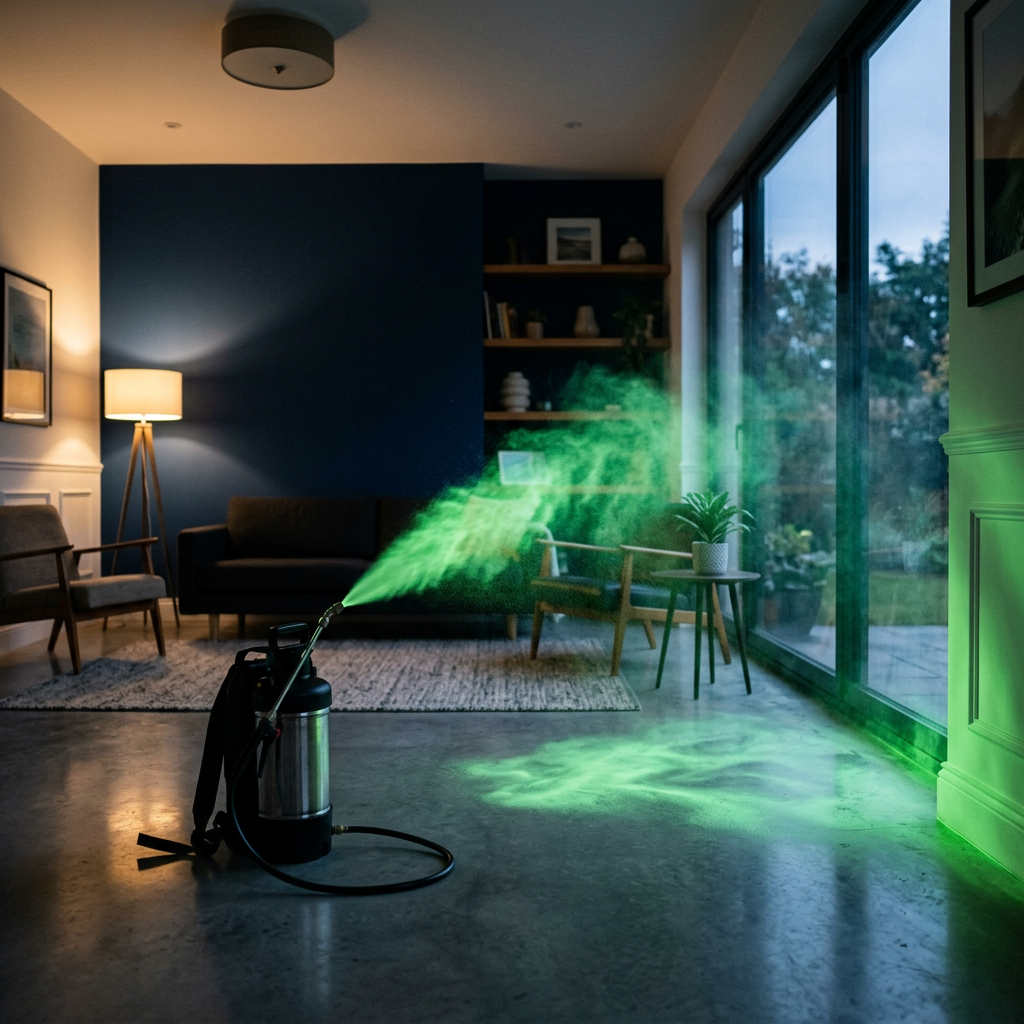
Full-premise spray combining adulticide (Permethrin/Bifenthrin) with IGR (Methoprene) for flea lifecycle disruption. Targeted residual insecticide treatment of all bed bug harbourage zones — mattress seams, frame joints, skirting and furniture. Steam treatment at 55°C+ applied to soft furnishings and mattress surfaces where chemical application is not possible.
10-Day Elimination Programme
The initial treatment eliminates active pests while eggs continue hatching over the following days — newly hatched pests contact the residual treatment, progressively clearing the infestation within ~10 days.
Shielding
Flea follow-up at 14 days to eliminate newly hatched pupae. Bed bug follow-up inspection at 10–14 days. Interceptor cups installed under bed legs to monitor and prevent re-infestation. Ongoing pet prevention protocol and annual mattress inspection recommended.
Eco Commitment
We use low-dose IGR combinations rather than high-volume insecticide blanket sprays — significantly reducing chemical load while disrupting pest lifecycles. Steam treatment on mattresses eliminates the need for chemical contact on sleeping surfaces.
Concerned about fleas & bed bugs? Request a professional assessment.
Request Fleas & Bed Bugs AssessmentBack to EncyclopediaOther Species
 Ants
 American Cockroaches
 German Cockroaches
 Wasps
 Red-headed Cockroaches
 Oriental Cockroaches
 All Moths
 Rodents
 Spiders
 Millipedes & Centipedes
 Dune Moles
 Crickets
 Bird Removal
 Snails & Slugs
 Grain & Flour Beetles
 Weevils
 Bat Proofing
 Earwigs
 Mole Crickets
 Silverfish
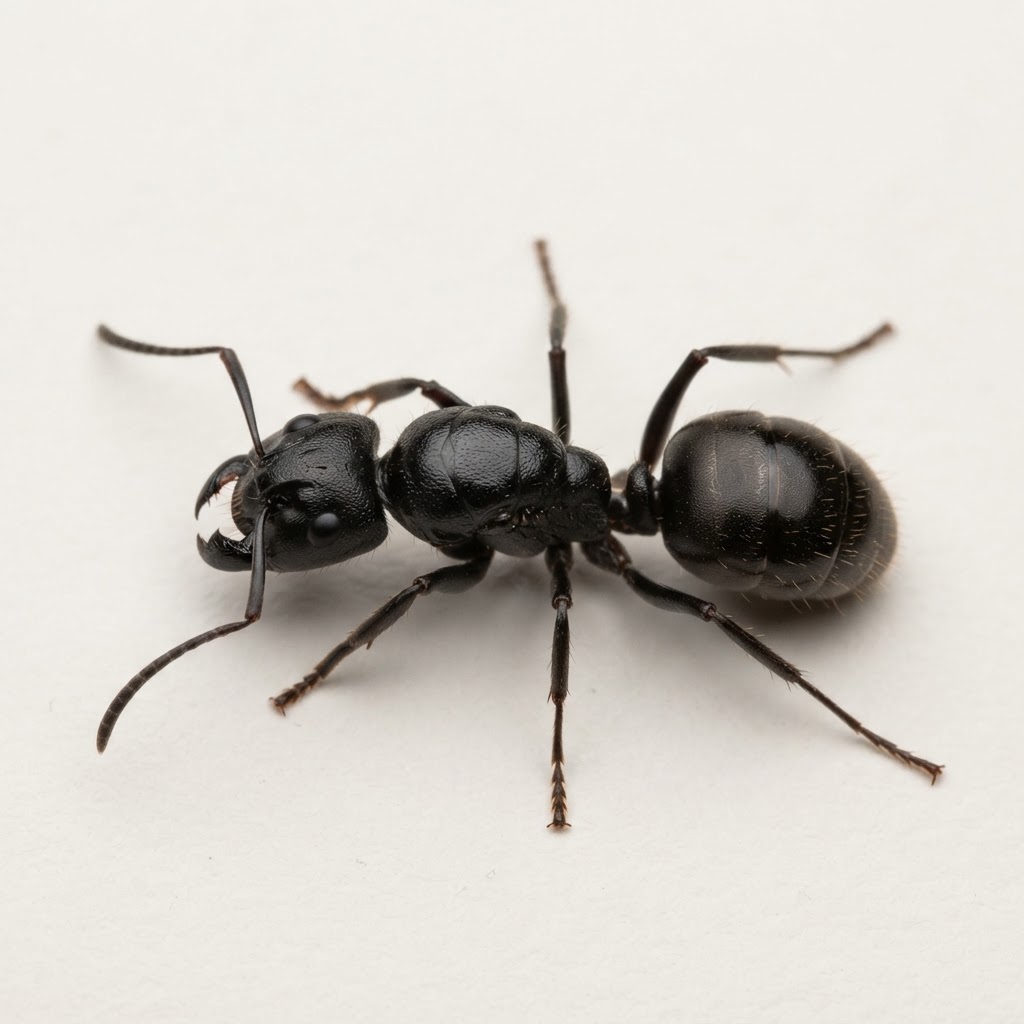 Carpenter Ants
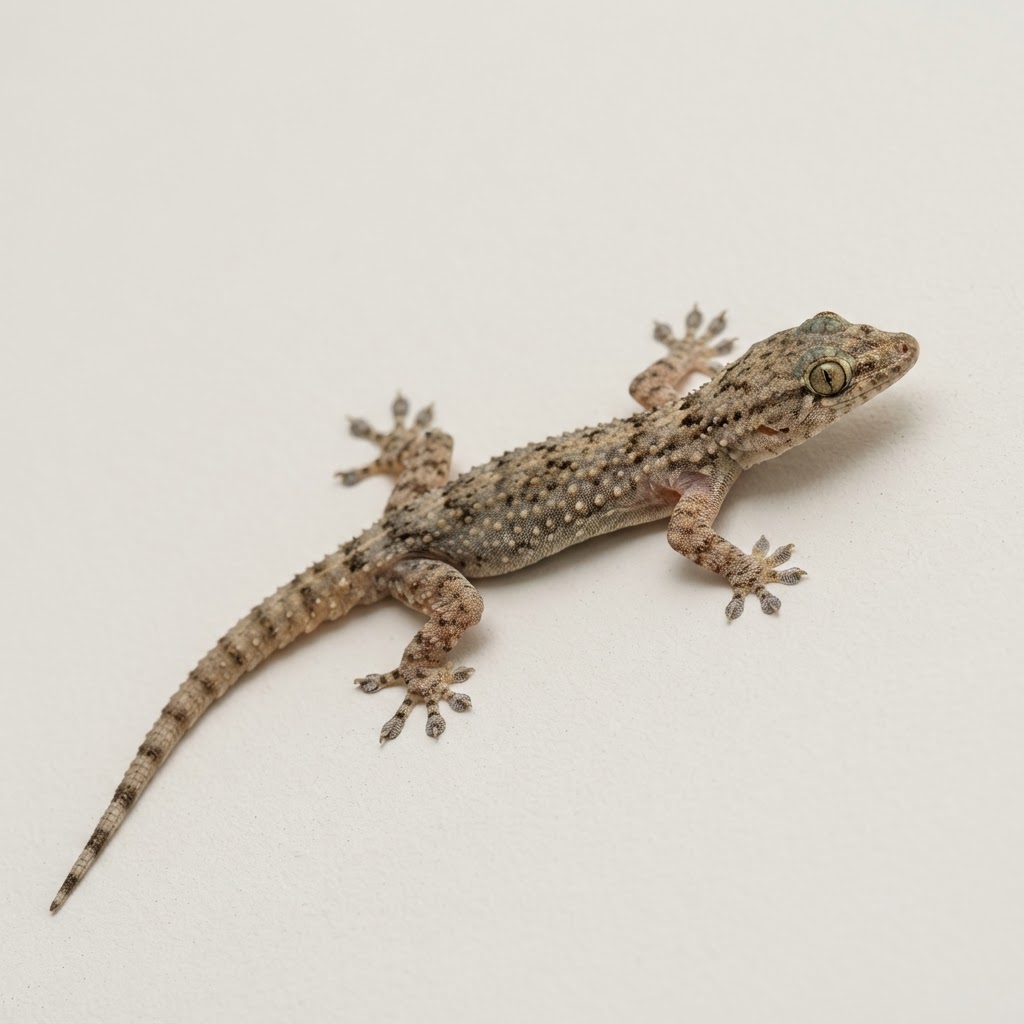 Gecko Control
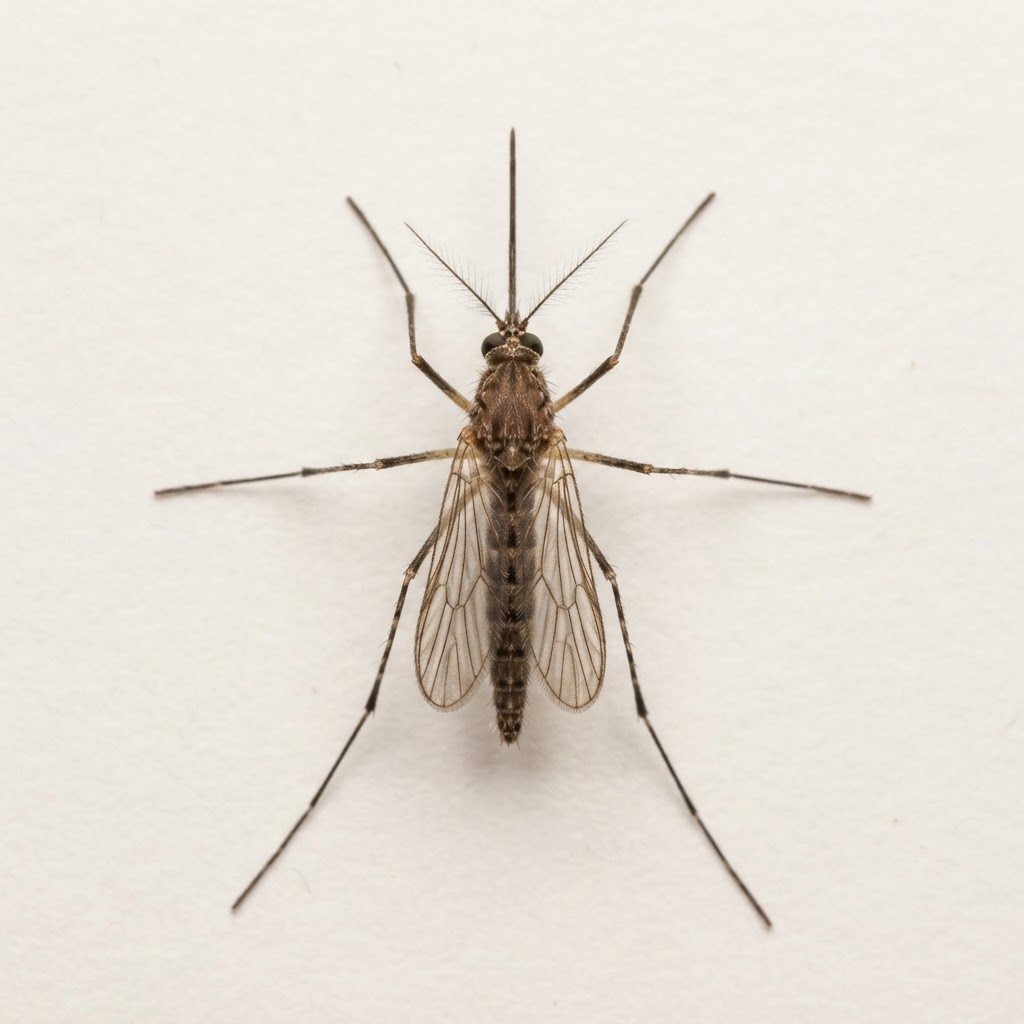 Mosquitoes
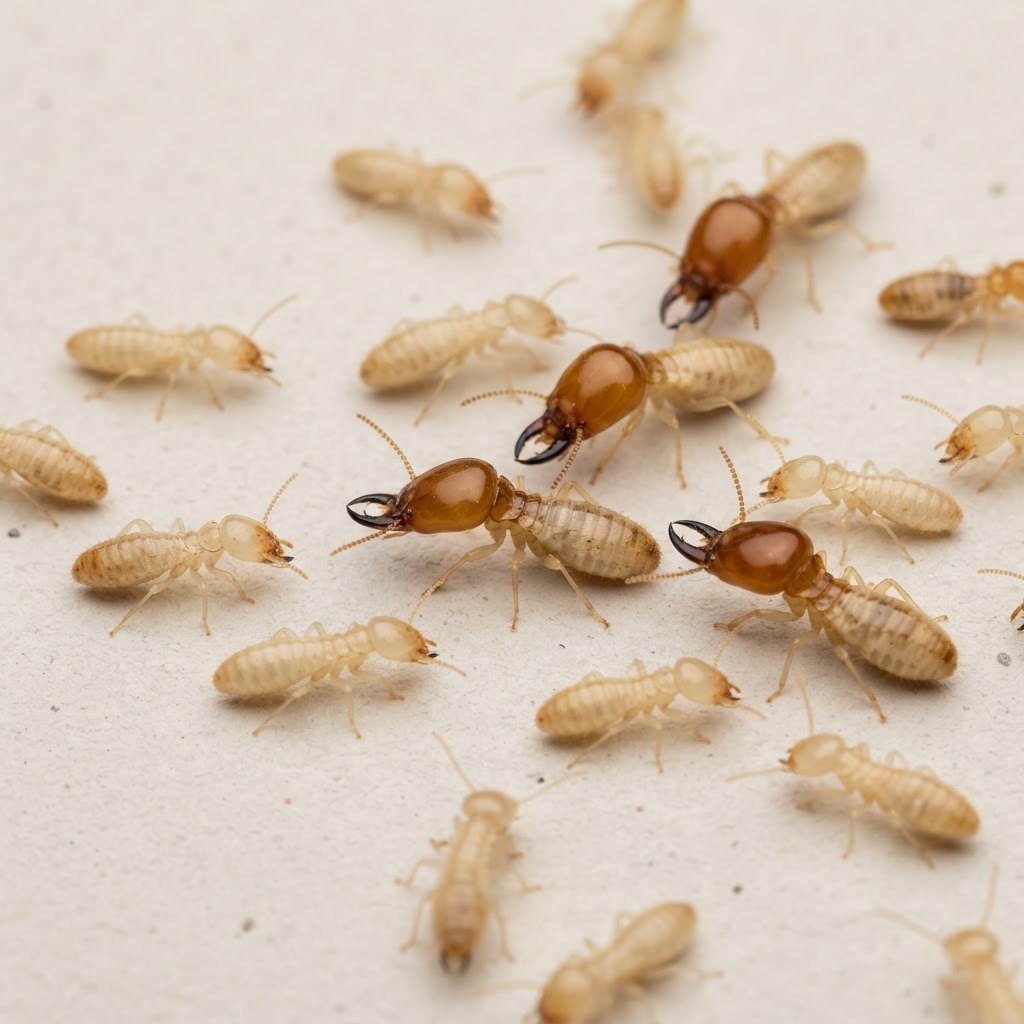 Harvester Termites
 General Spray