Species Profile
Rodents
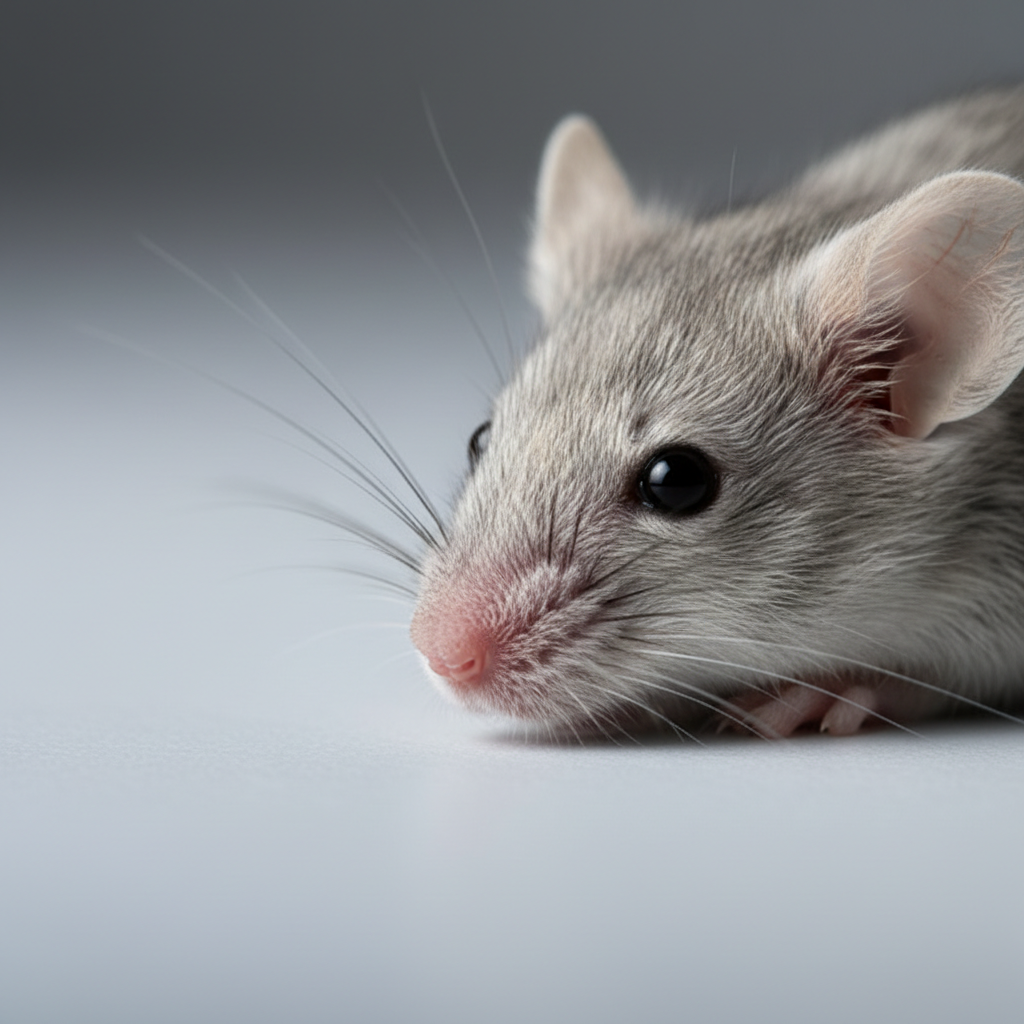
Rattus norvegicus / Mus musculus
The Western Cape hosts three primary pest rodent species: the Norway rat (Rattus norvegicus), the roof rat (Rattus rattus), and the house mouse (Mus musculus). Each species occupies different ecological niches — Norway rats burrow, roof rats colonise elevated spaces, and house mice exploit any available void. All three pose significant health risks, responsible for the transmission of Leptospirosis, Hantavirus, and Salmonella.
Biology & Behaviour
Rodents are neophobic (fear of new objects), making control highly strategic. House mice reproduce at 6 weeks old and can produce 10 litters of 5–8 pups per year. Rats are highly intelligent with exceptional memory of their territories. Rodents gnaw continuously — not from hunger, but to maintain incisor length. A single rat can gnaw through lead pipes, concrete and aluminium sheeting.
Signs of Infestation
Infestation Indicators
Gnaw marks on food packaging, wiring, wood and plastic
Droppings — rat droppings are 15–20mm, mouse droppings 3–6mm, spindle-shaped
Burrows along walls, under slabs or in garden banks
Greasy rub marks along wall-floor junctions (sebum from fur)
Scratching or scurrying sounds in walls, ceilings or subfloor at night
Nesting material (shredded paper, fabric, insulation) in hidden areas
Clinical Organicism Protocol
Remediation Protocol
The Eco Pestelence 4-phase intervention methodology, calibrated specifically for rodents.
Detection
Comprehensive property survey mapping all runways, entry points, burrows and harborage zones. Non-toxic tracking dust application to confirm active runs. Photography and mapping report issued to client.
Isolation
Physical exclusion of all entry points ≥6mm with stainless steel mesh, expanding foam and rodent-proof sealant. Gap survey report with rectification priority list. External harborage reduction advisory.
Neutralization
Tamper-resistant bait stations deployed on confirmed runways — exterior and interior as required. First-generation anticoagulant rodenticide used preferentially to reduce secondary poisoning risk to raptors and predators. Snap trapping in sensitive internal areas (food preparation, children's spaces).
10-Day Elimination Programme
The initial treatment eliminates active pests while eggs continue hatching over the following days — newly hatched pests contact the residual treatment, progressively clearing the infestation within ~10 days.
Shielding
Bait station maintenance and monitoring program (monthly inspections). Consumption records maintained to track population pressure. Exclusion integrity re-inspection at 6-month intervals.
Eco Commitment
We prioritise first-generation anticoagulants and physical trapping to protect the Western Cape's raptor population — including barn owls and caracals — from secondary poisoning. Second-generation rodenticides used only in severe, contained situations.
Concerned about rodents? Request a professional assessment.
Request Rodents AssessmentBack to EncyclopediaOther Species
 Ants
 American Cockroaches
 German Cockroaches
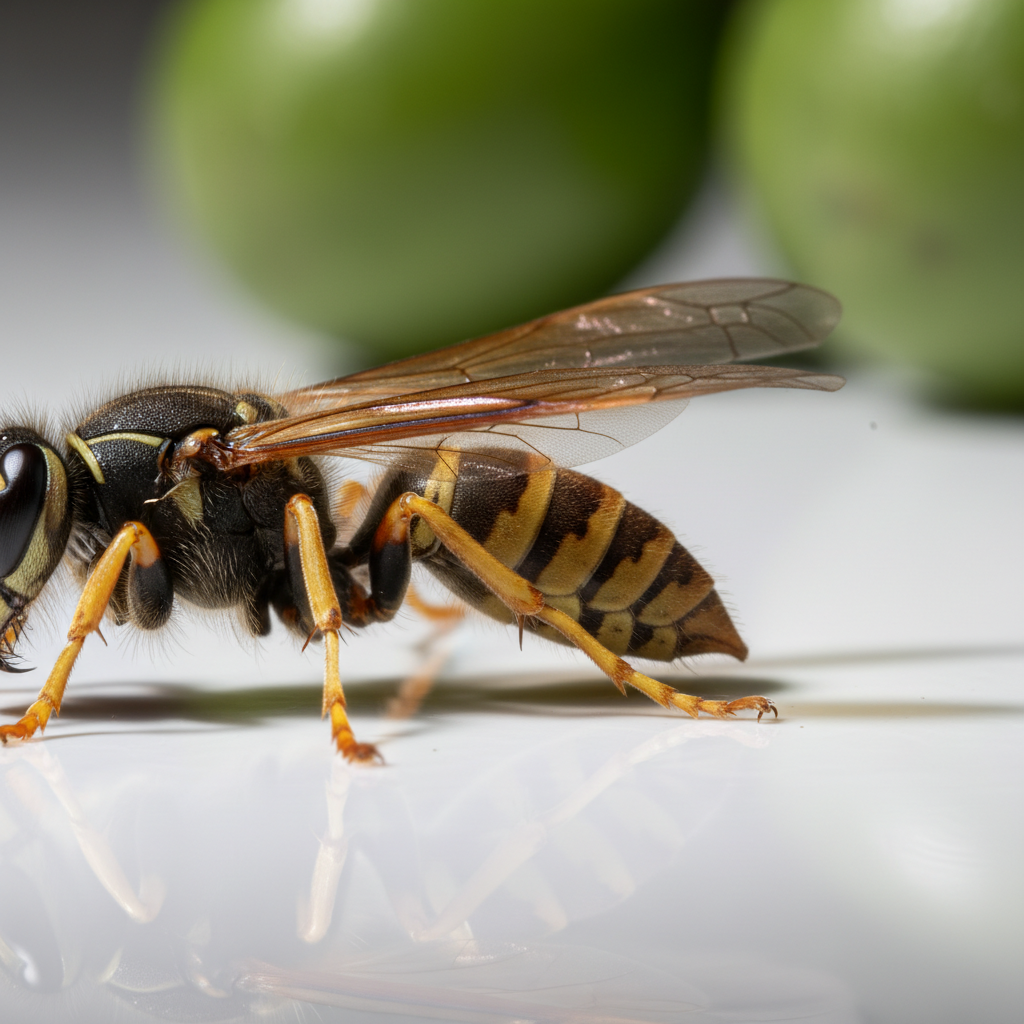 Wasps
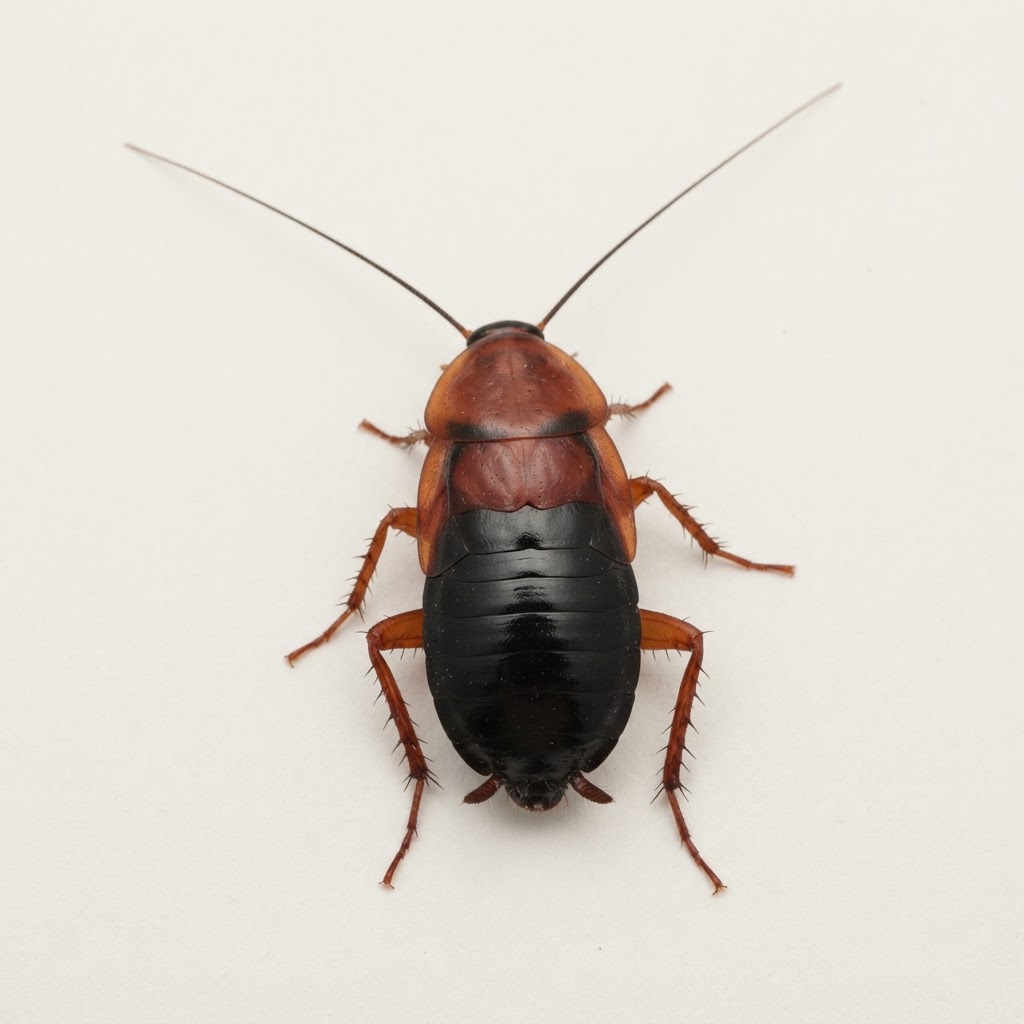 Red-headed Cockroaches
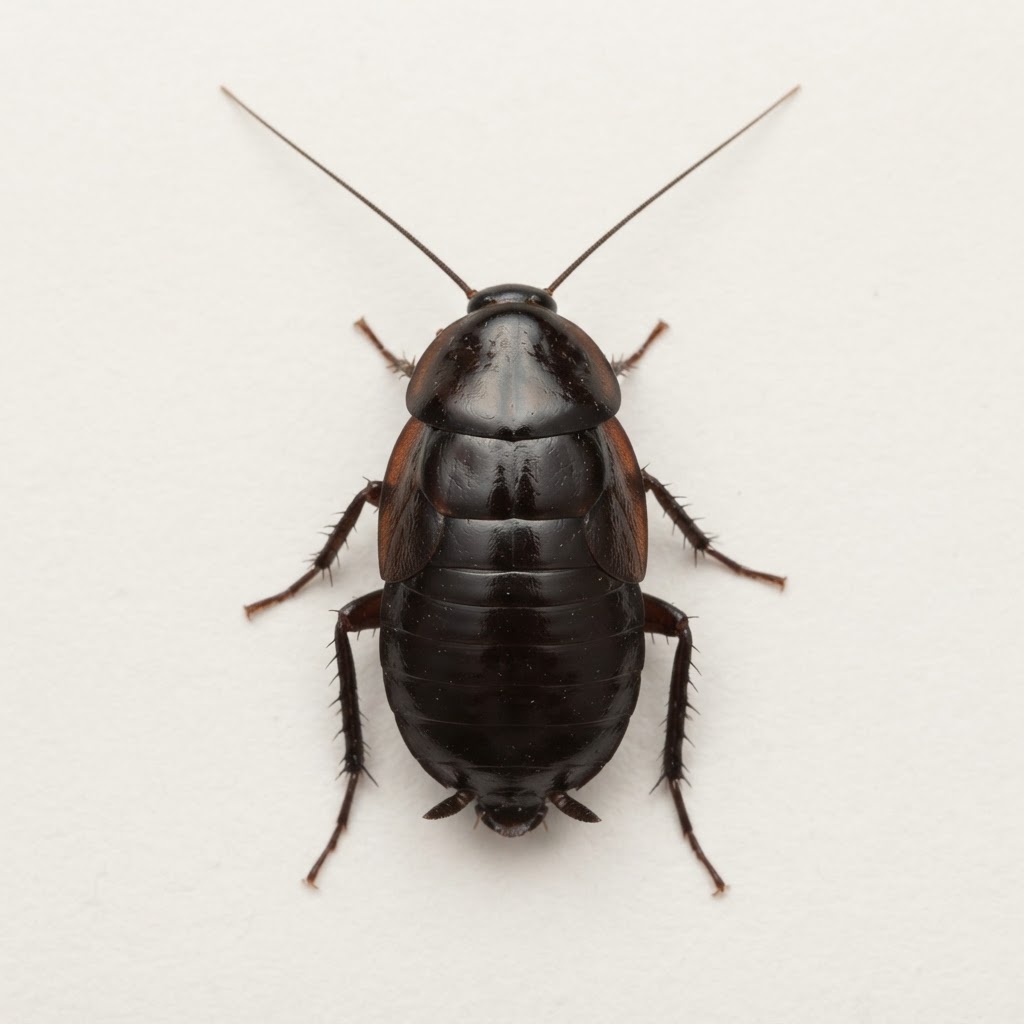 Oriental Cockroaches
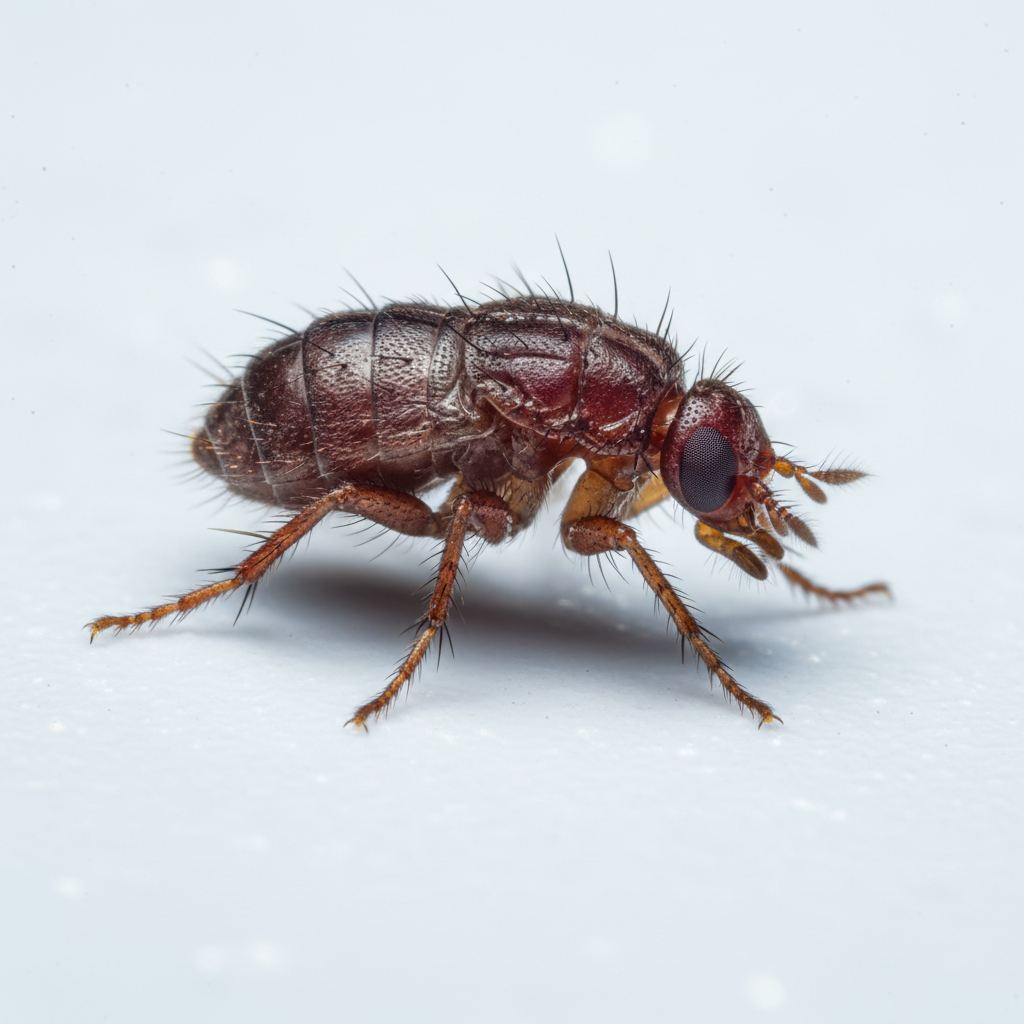 Fleas & Bed Bugs
 All Moths
 Spiders
 Millipedes & Centipedes
 Dune Moles
 Crickets
 Bird Removal
 Snails & Slugs
 Grain & Flour Beetles
 Weevils
 Bat Proofing
 Earwigs
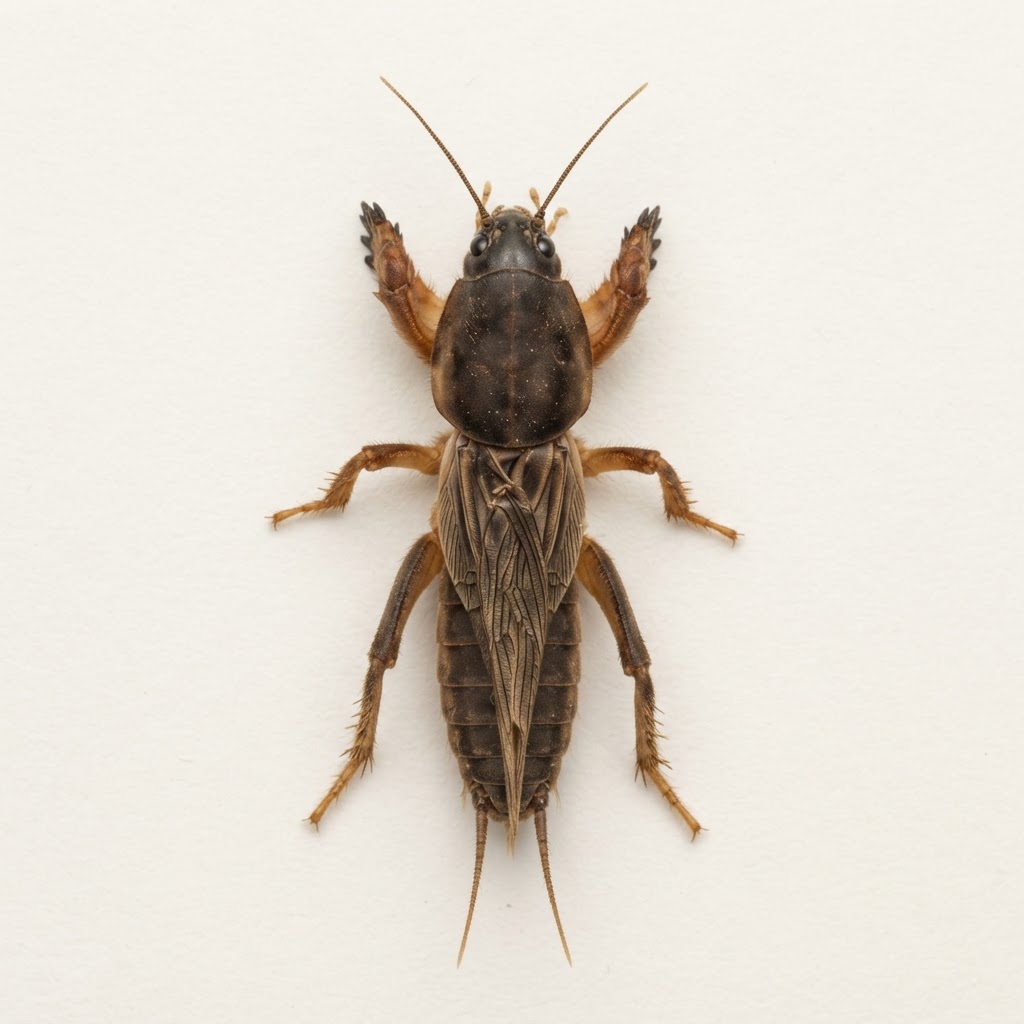 Mole Crickets
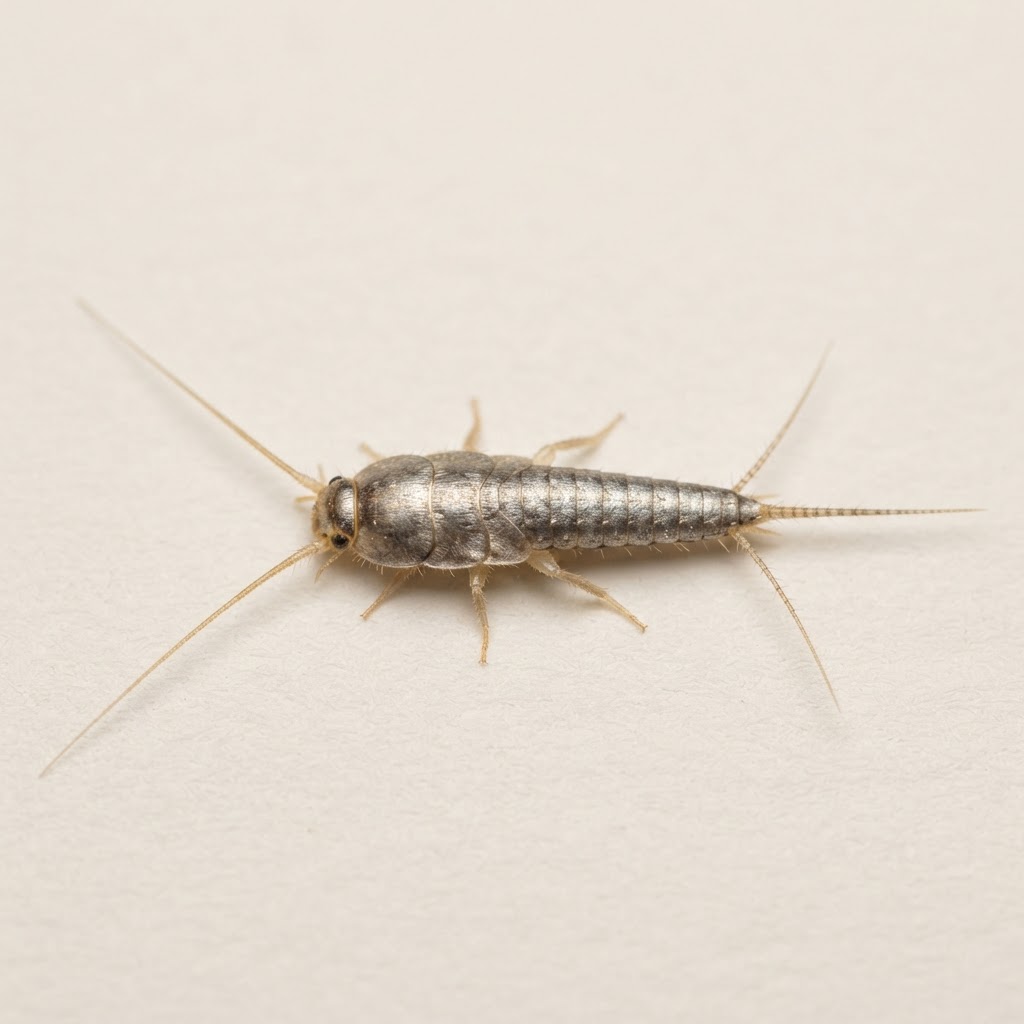 Silverfish
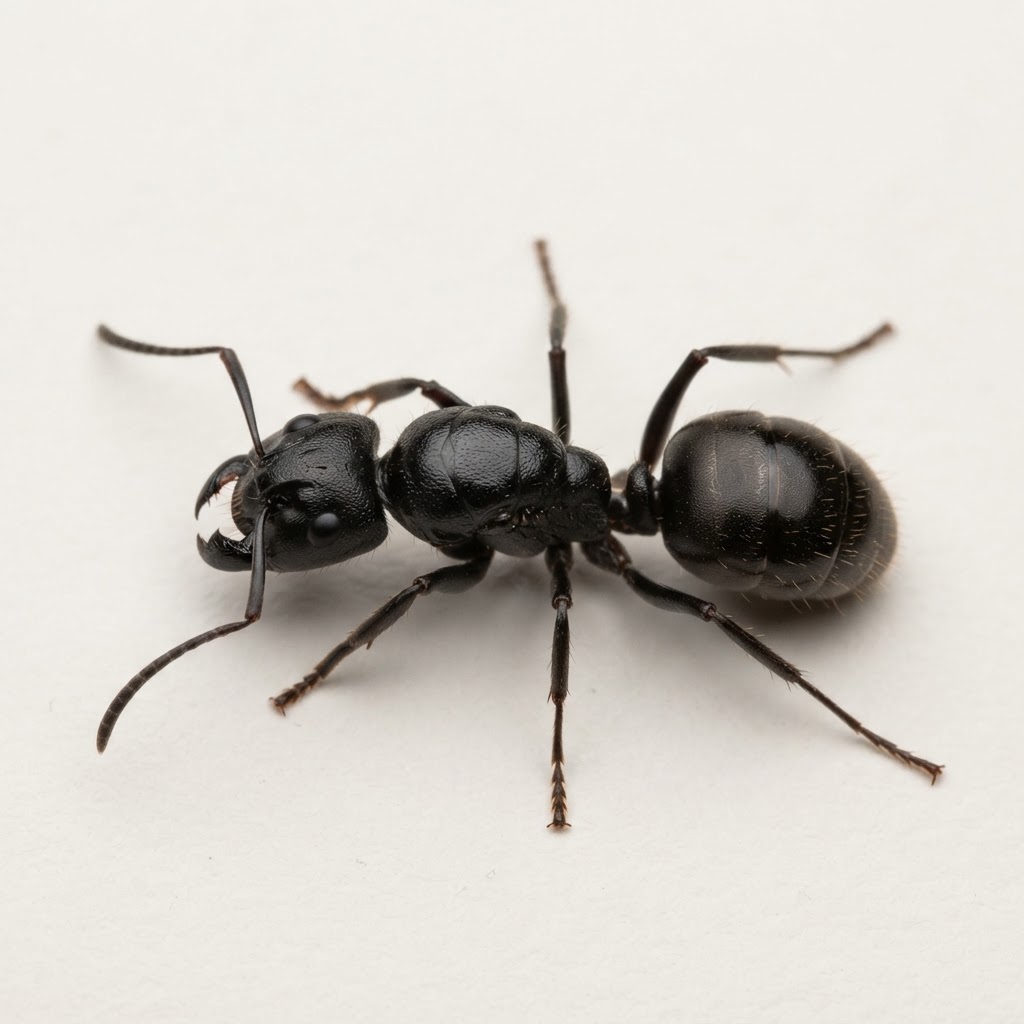 Carpenter Ants
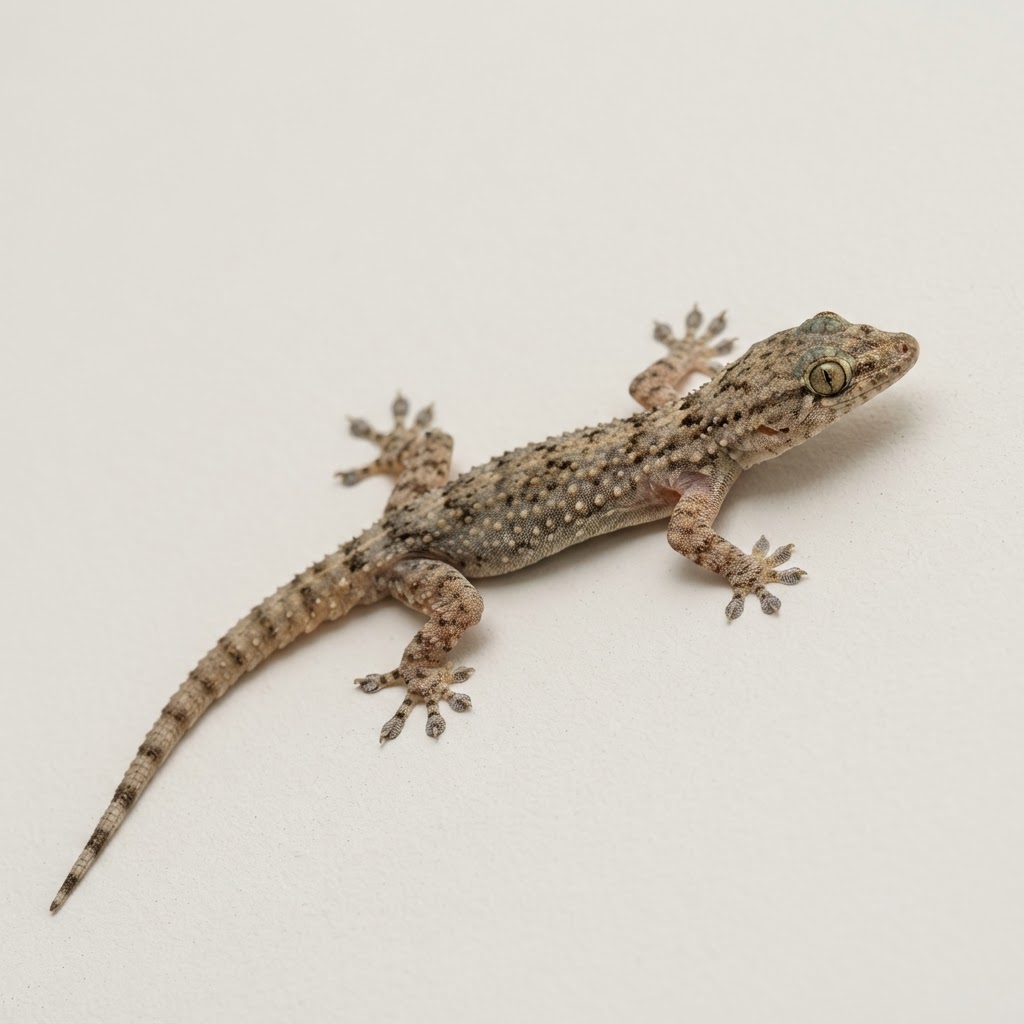 Gecko Control
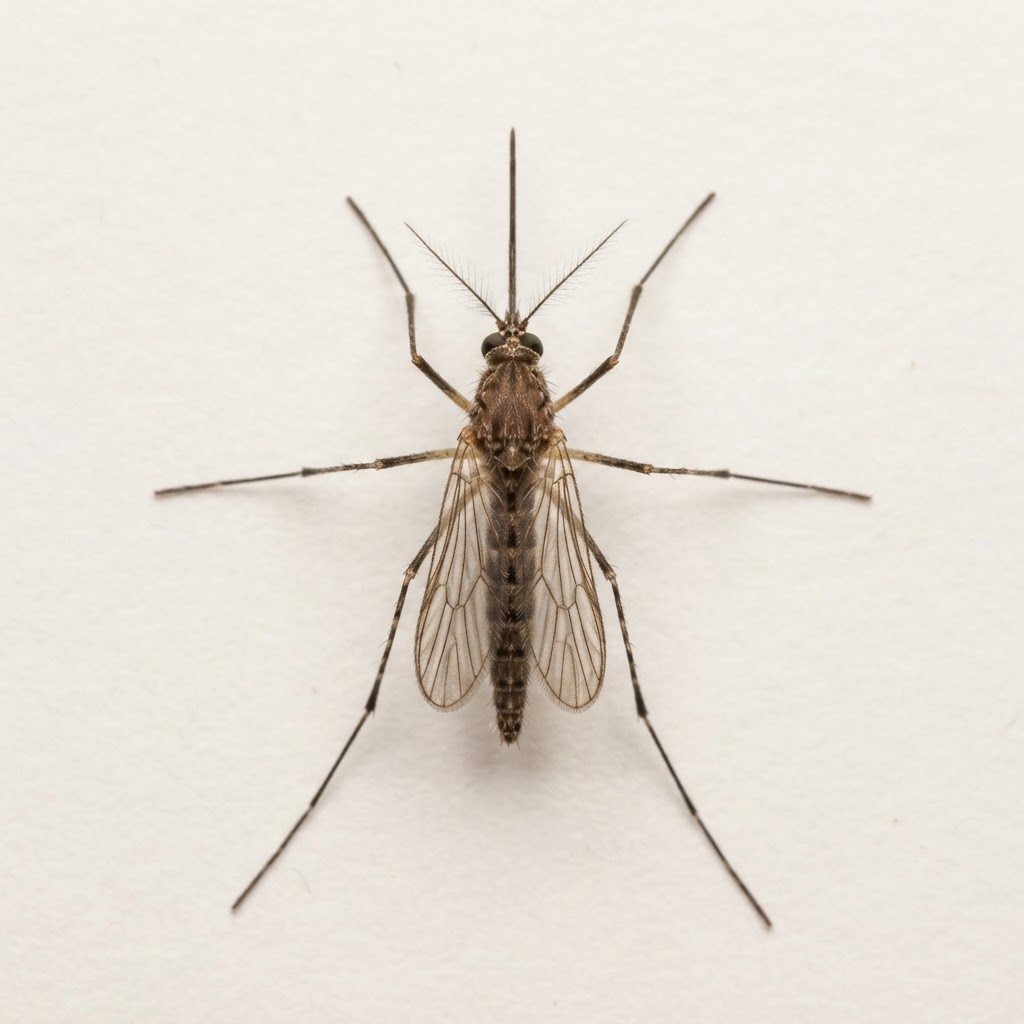 Mosquitoes
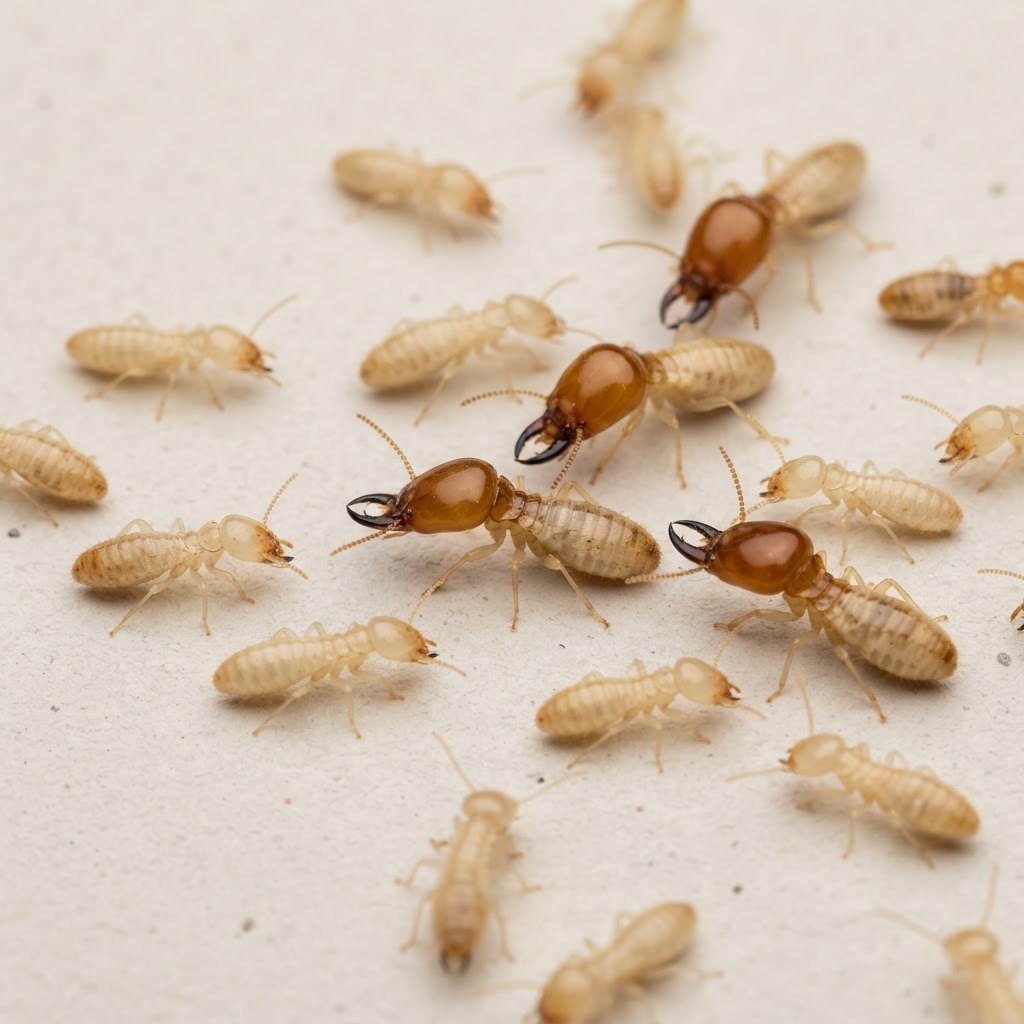 Harvester Termites
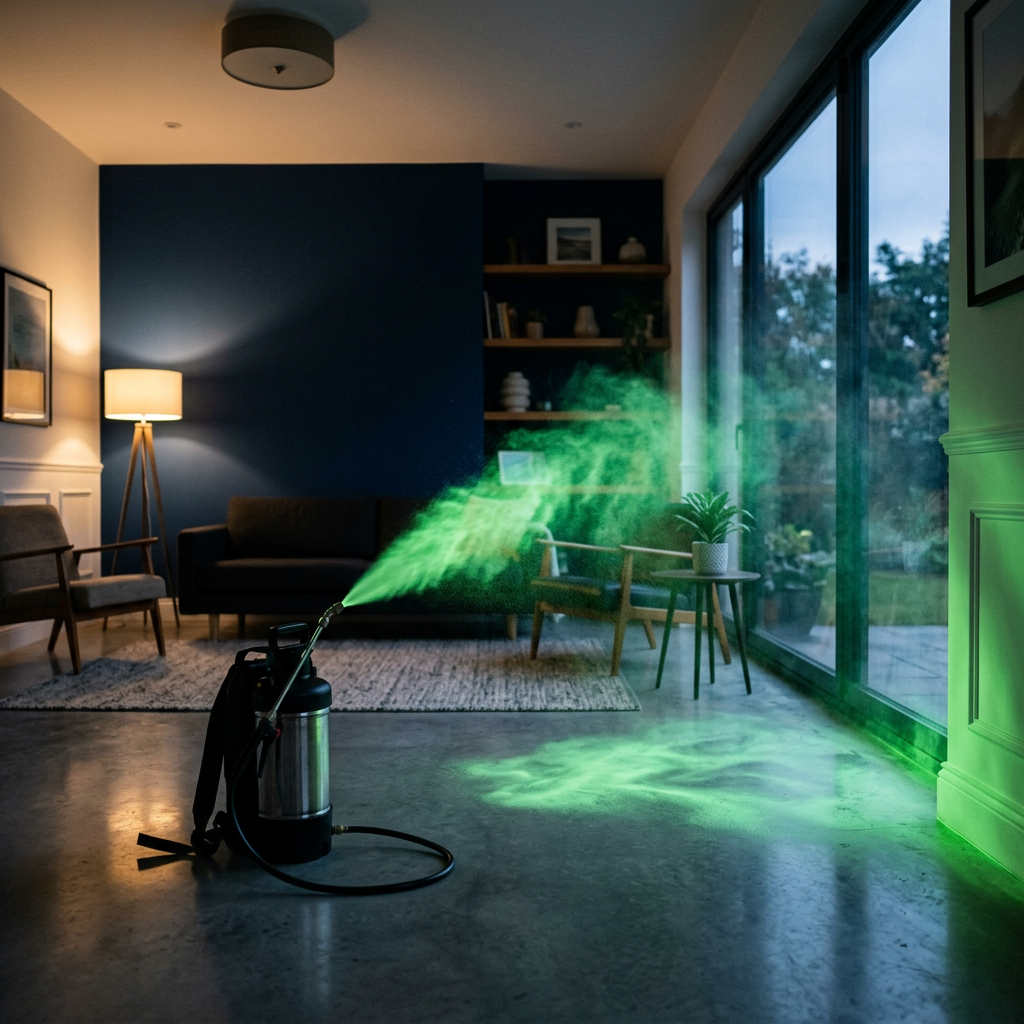 General Spray