
Species Profile
Weevils
Sitophilus granarius / Sitophilus oryzae
Grain weevils (Sitophilus granarius) and rice weevils (Sitophilus oryzae) are among the most destructive stored-product pests worldwide. In the Western Cape, they infest whole grains, rice, maize, pasta and seeds — rendering entire stocks inedible. Their distinctive snout (rostrum) is used to bore into grain kernels where females deposit eggs internally, making early detection extremely difficult.
Biology & Behaviour
Weevil larvae develop entirely inside individual grain kernels, invisible from the outside. By the time adults emerge, the kernel is completely hollowed out. A heavily infested sack of grain may appear normal until the population reaches critical mass. Adults are strong fliers and can move between storage areas rapidly. Development from egg to adult takes 4–6 weeks, enabling rapid population growth in warm conditions.
Signs of Infestation
Infestation Indicators
Small (3–4mm) dark brown beetles with a distinctive elongated snout in grain products
Hollowed-out, dusty grain kernels that crumble when pressed
Heating or clumping of stored grain — indicates larval activity generating metabolic heat
Fine grain dust and frass accumulating at the bottom of containers
Adult weevils crawling on pantry shelves near grain and pasta storage
Clinical Organicism Protocol
Remediation Protocol
The Eco Pestelence 4-phase intervention methodology, calibrated specifically for weevils.
Detection
Systematic inspection of all grain, rice, pasta and seed storage. Sieve-testing of bulk products to reveal larvae in kernels. Pheromone traps deployed to assess adult population density.
Isolation
Immediate quarantine and disposal of all infested products. Thorough cleaning of storage containers, shelves and floor cracks where grain dust accumulates.
Neutralization
Food-safe diatomaceous earth applied to empty storage shelves as a residual physical barrier. Targeted insecticide dust in structural cracks adjacent to storage areas. Pheromone mass-trapping for adult population reduction.
10-Day Elimination Programme
The initial treatment eliminates active pests while eggs continue hatching over the following days — newly hatched pests contact the residual treatment, progressively clearing the infestation within ~10 days.
Shielding
All replacement stocks stored in rigid, airtight containers. Temperature management advisory — cool storage below 18°C significantly inhibits weevil development. Ongoing pheromone monitoring for 3 months post-treatment.
Eco Commitment
Diatomaceous earth is our primary weapon against weevils in food storage areas — a food-safe, purely physical mode of action with no chemical residue. This protects food safety while eliminating the infestation.
Concerned about weevils? Request a professional assessment.
Request Weevils AssessmentBack to EncyclopediaOther Species
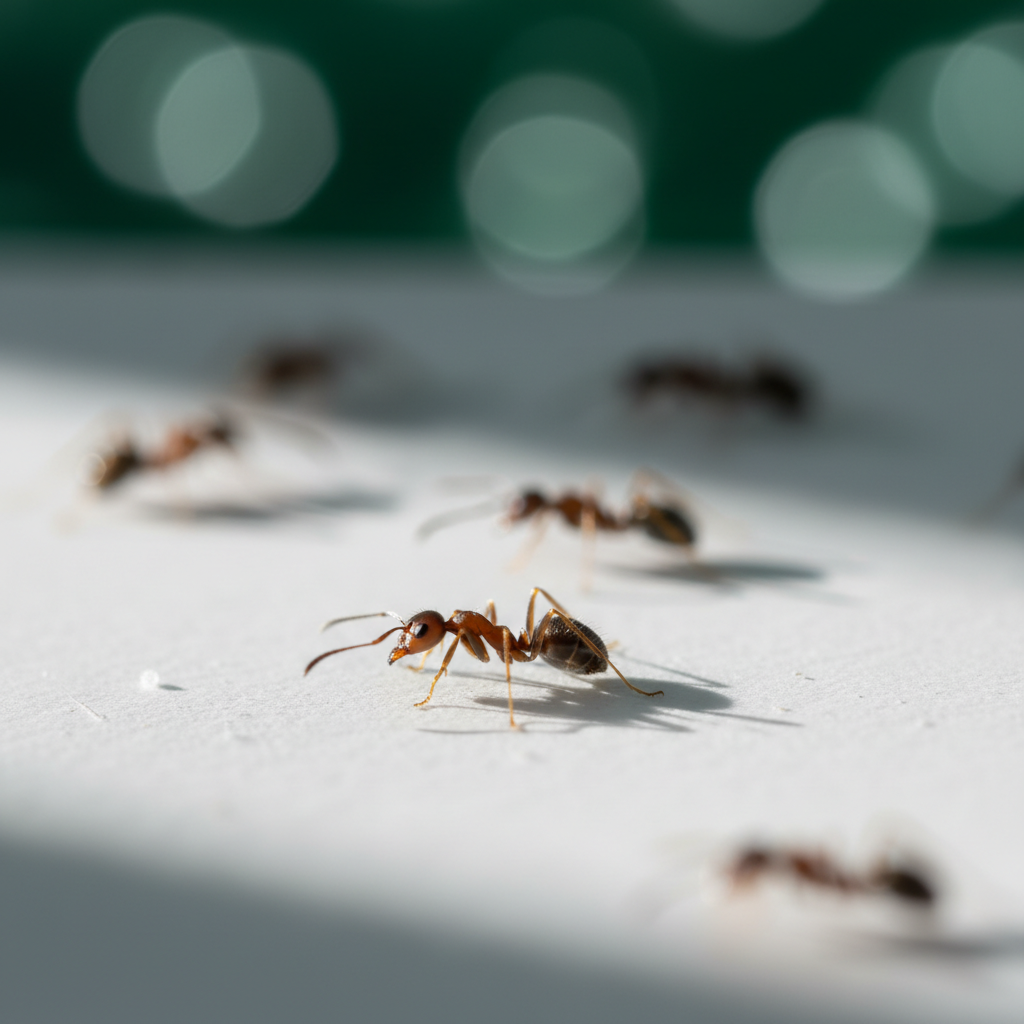 Ants
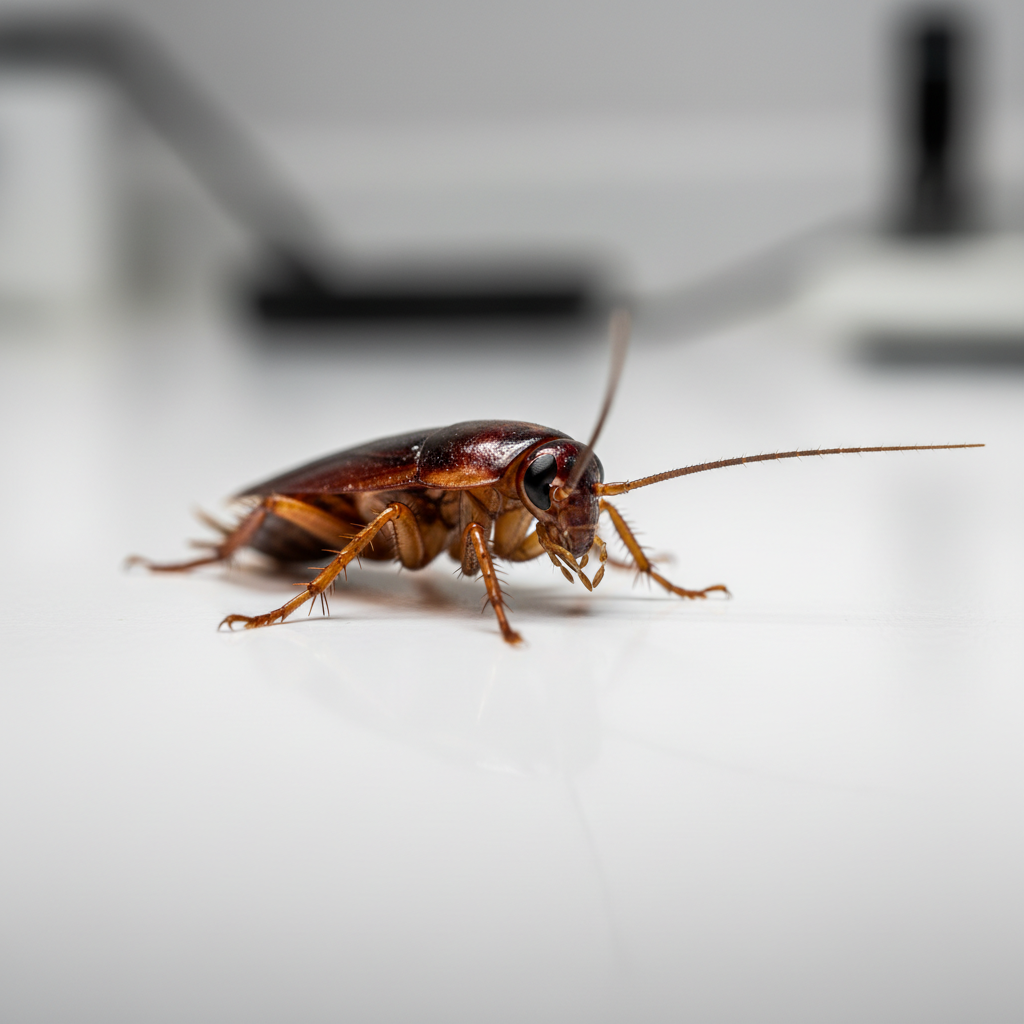 American Cockroaches
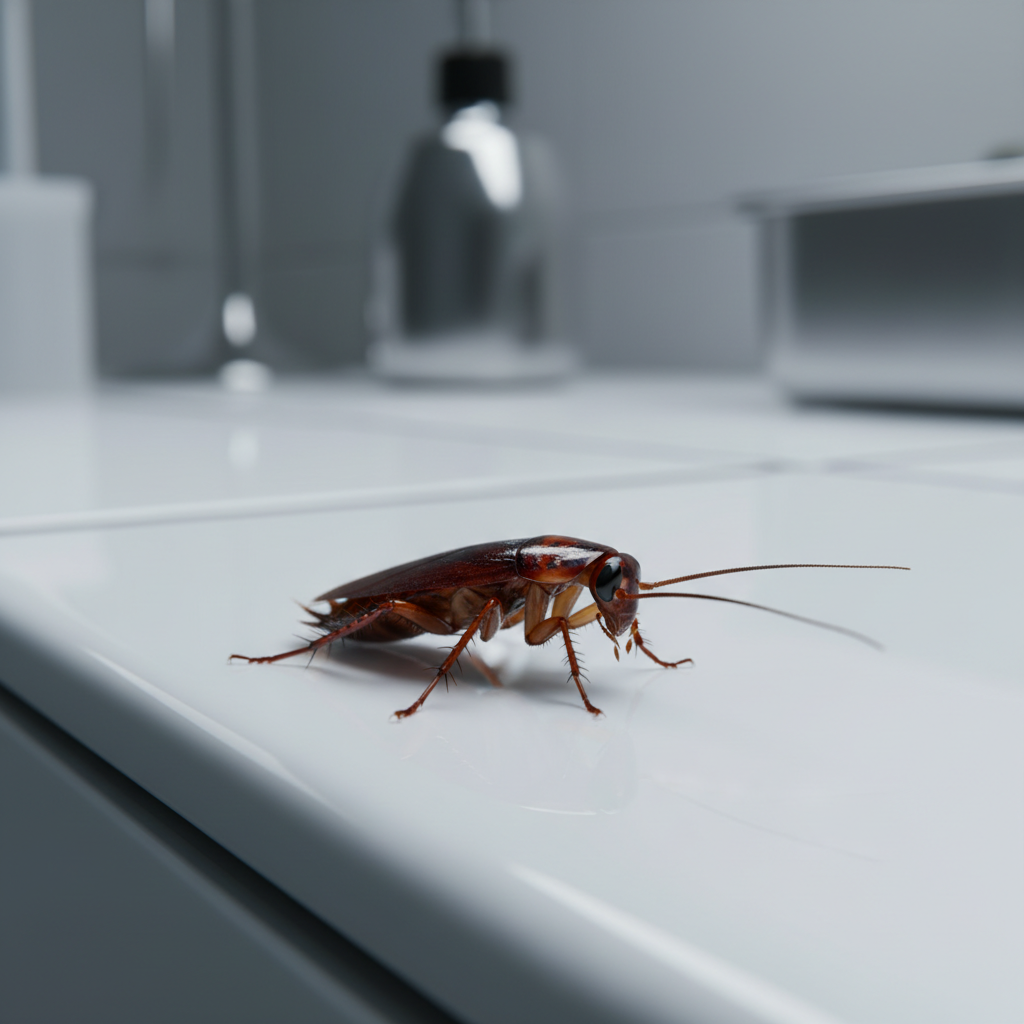 German Cockroaches
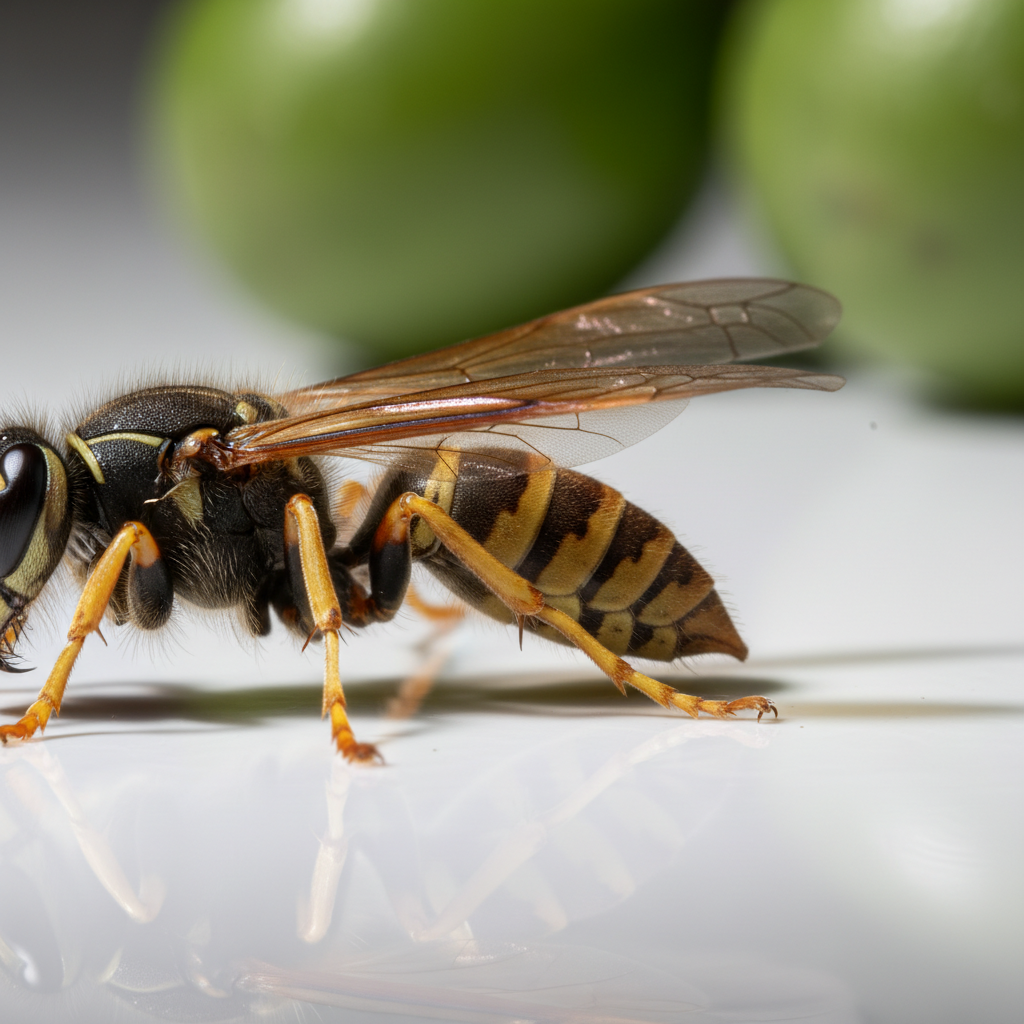 Wasps
 Red-headed Cockroaches
 Oriental Cockroaches
 Fleas & Bed Bugs
 All Moths
 Rodents
 Spiders
 Millipedes & Centipedes
 Dune Moles
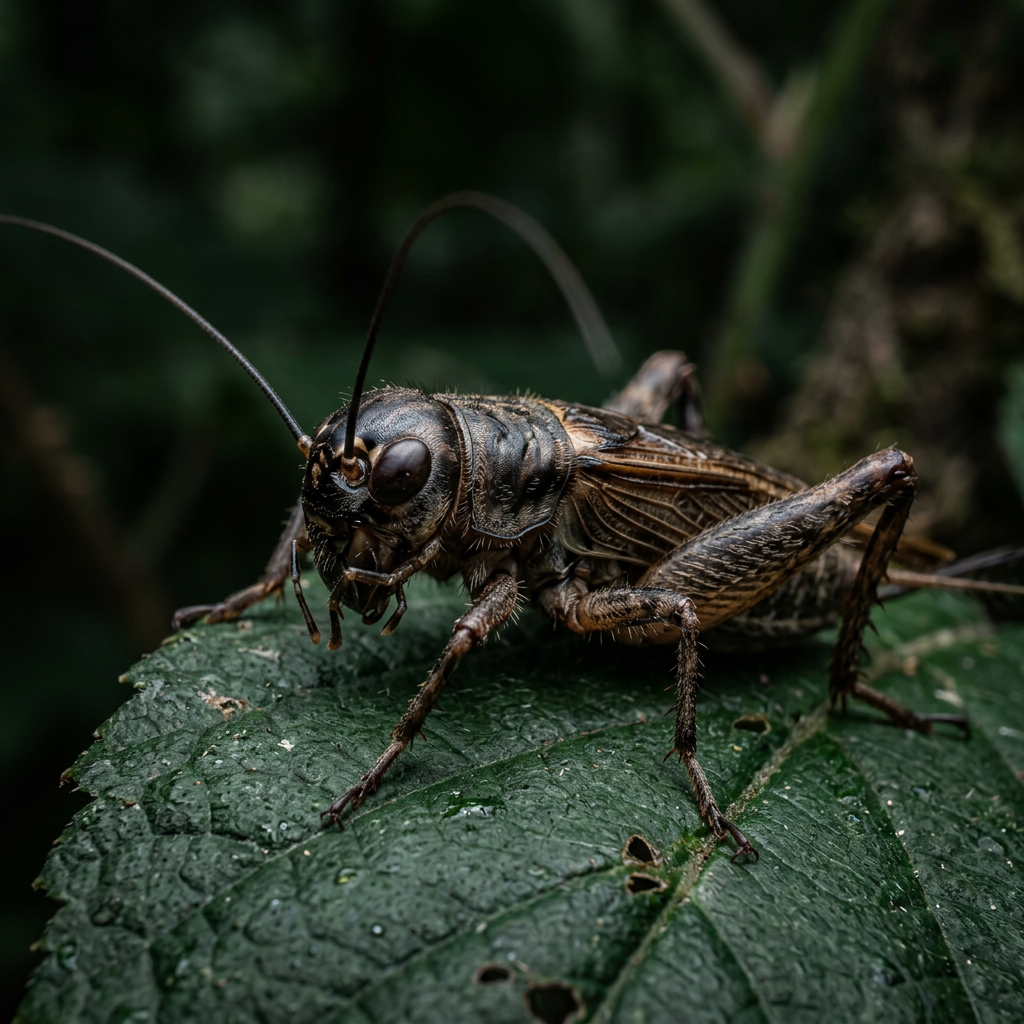 Crickets
 Bird Removal
 Snails & Slugs
 Grain & Flour Beetles
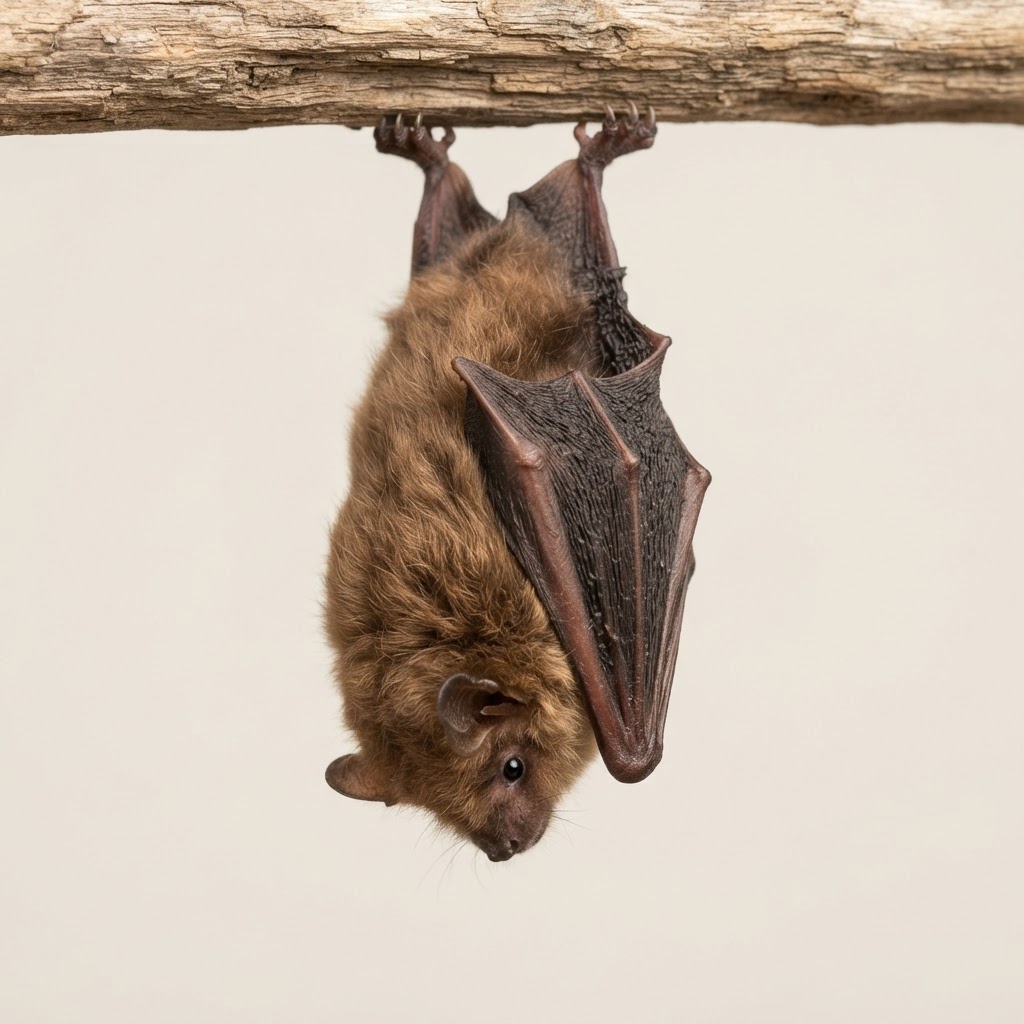 Bat Proofing
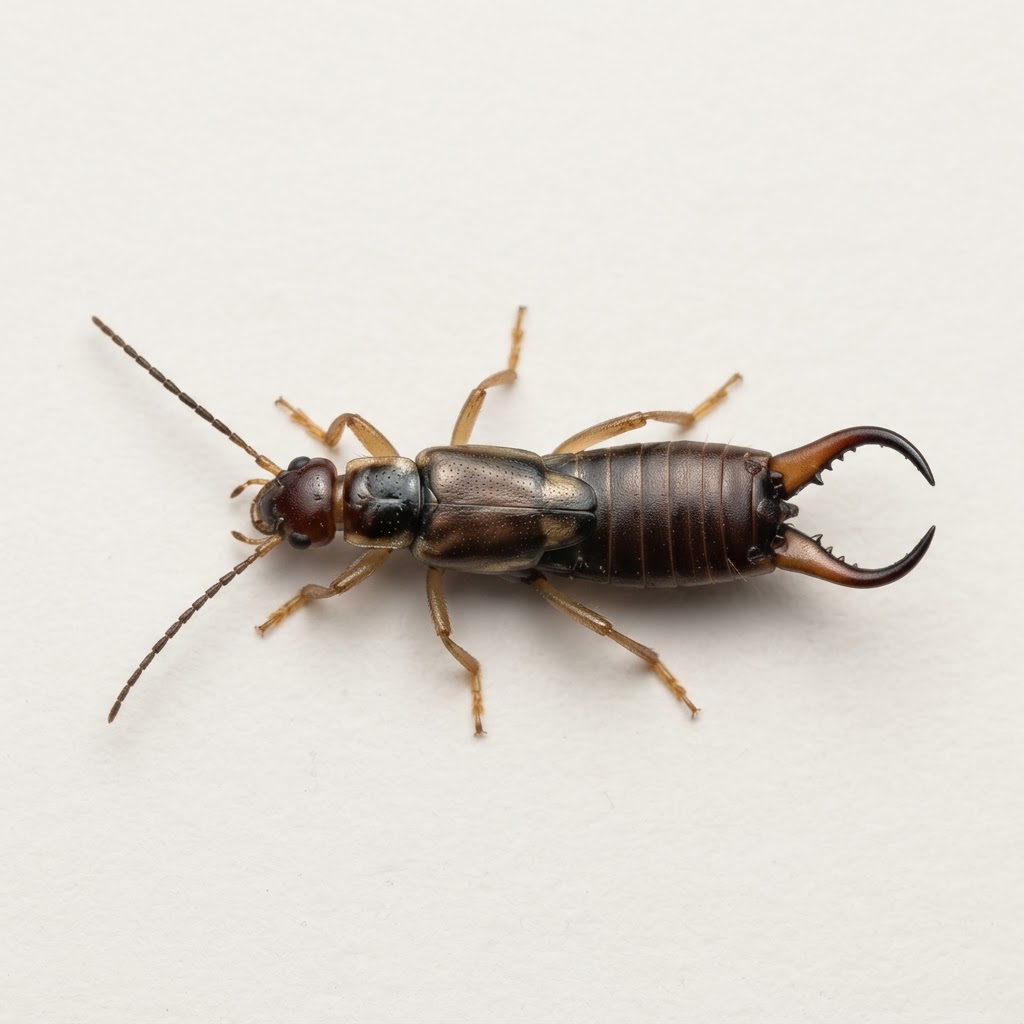 Earwigs
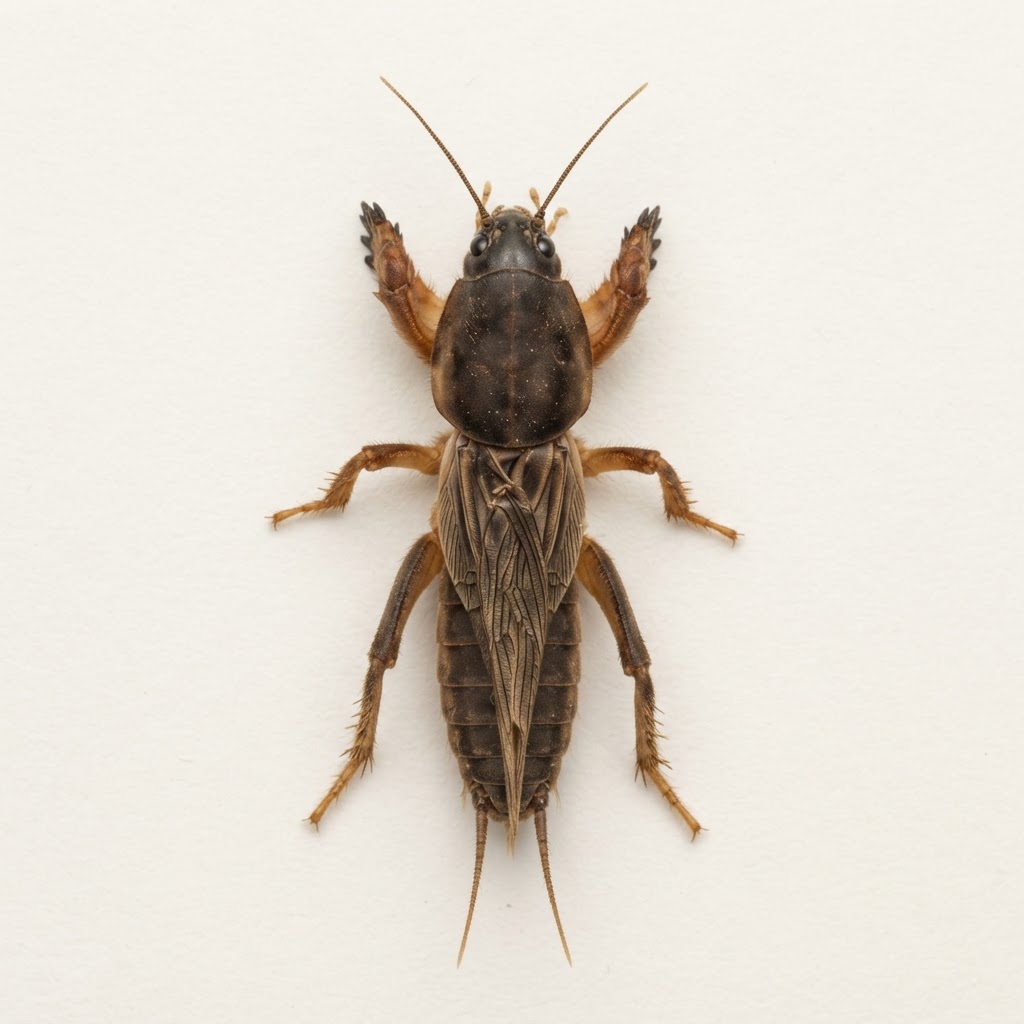 Mole Crickets
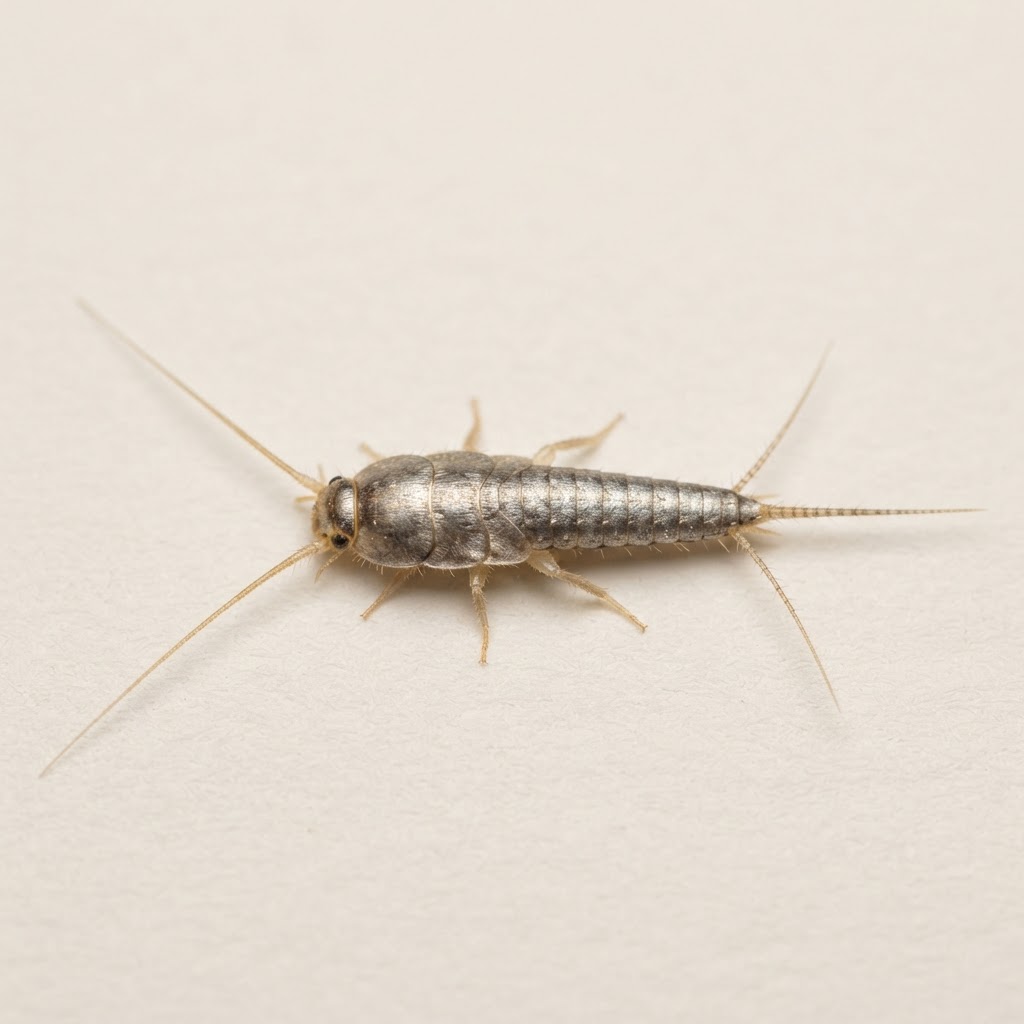 Silverfish
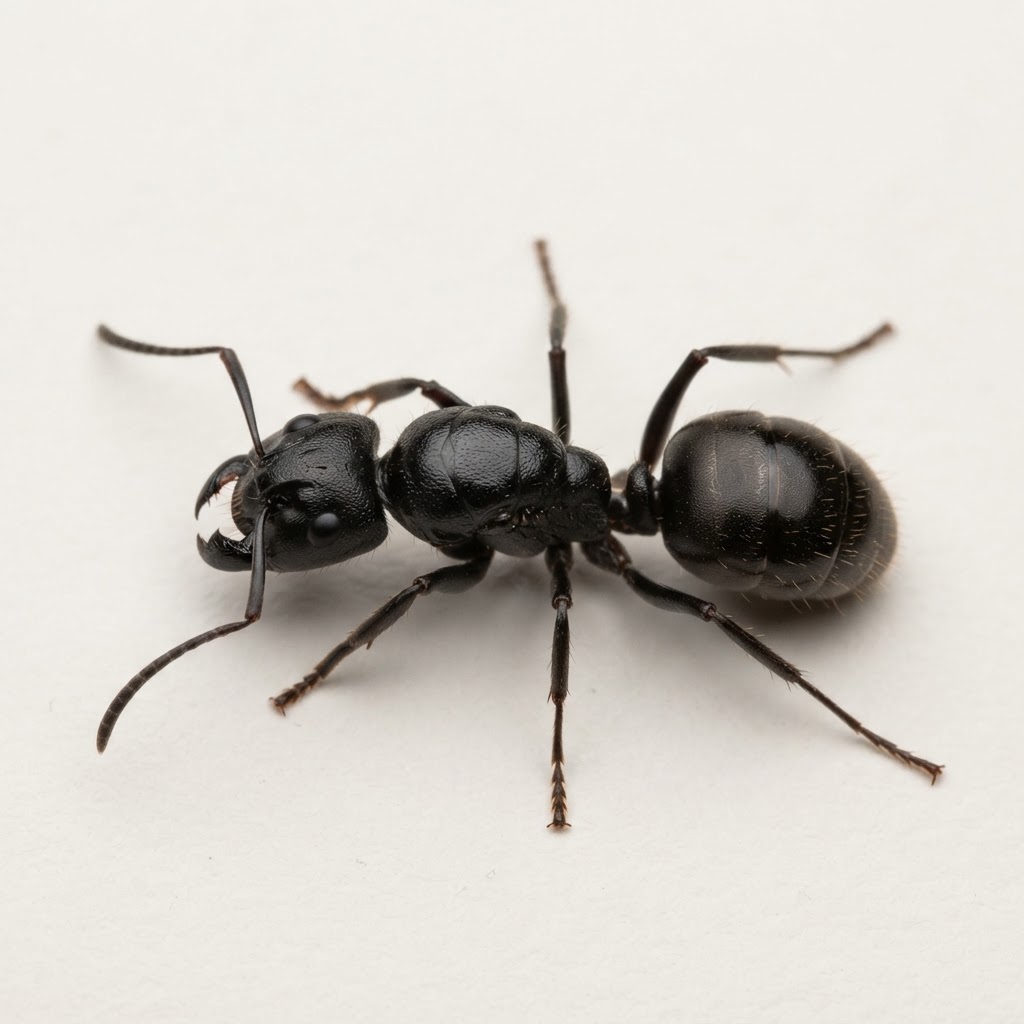 Carpenter Ants
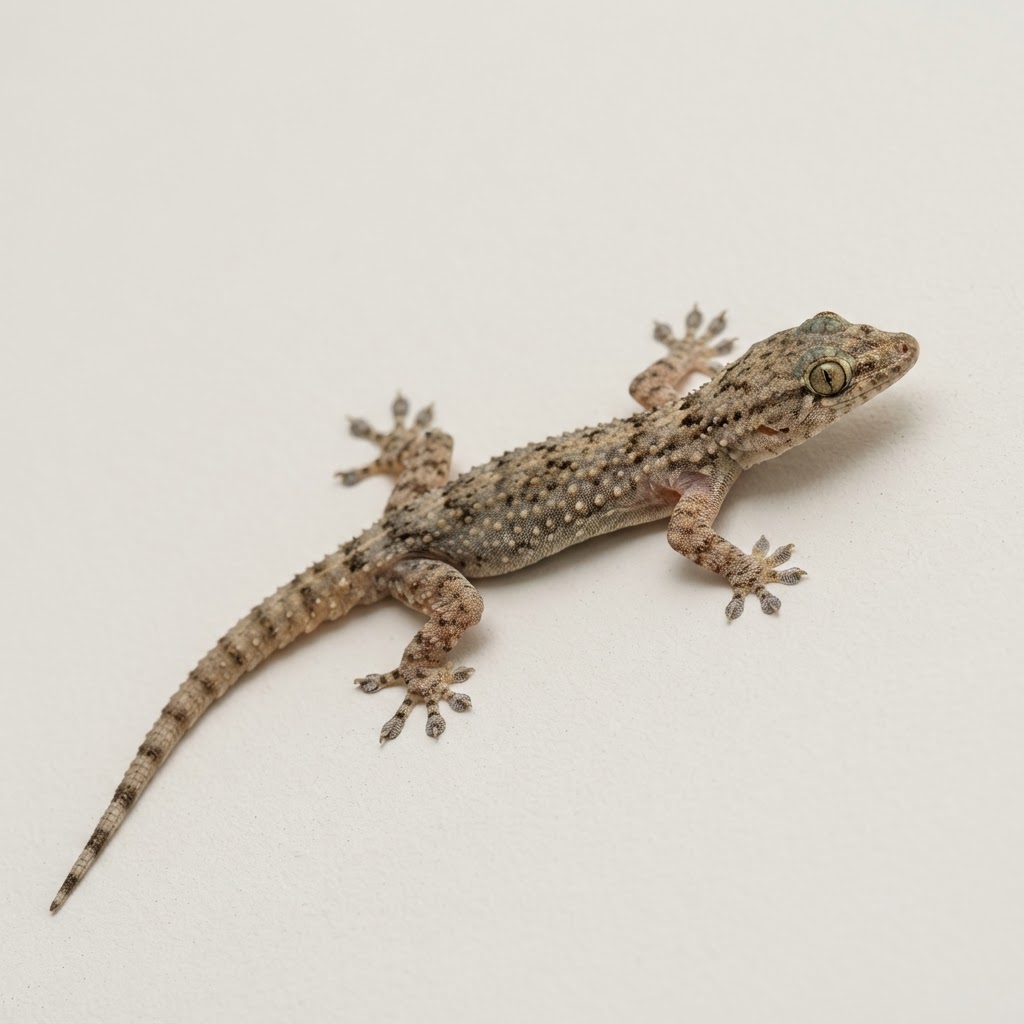 Gecko Control
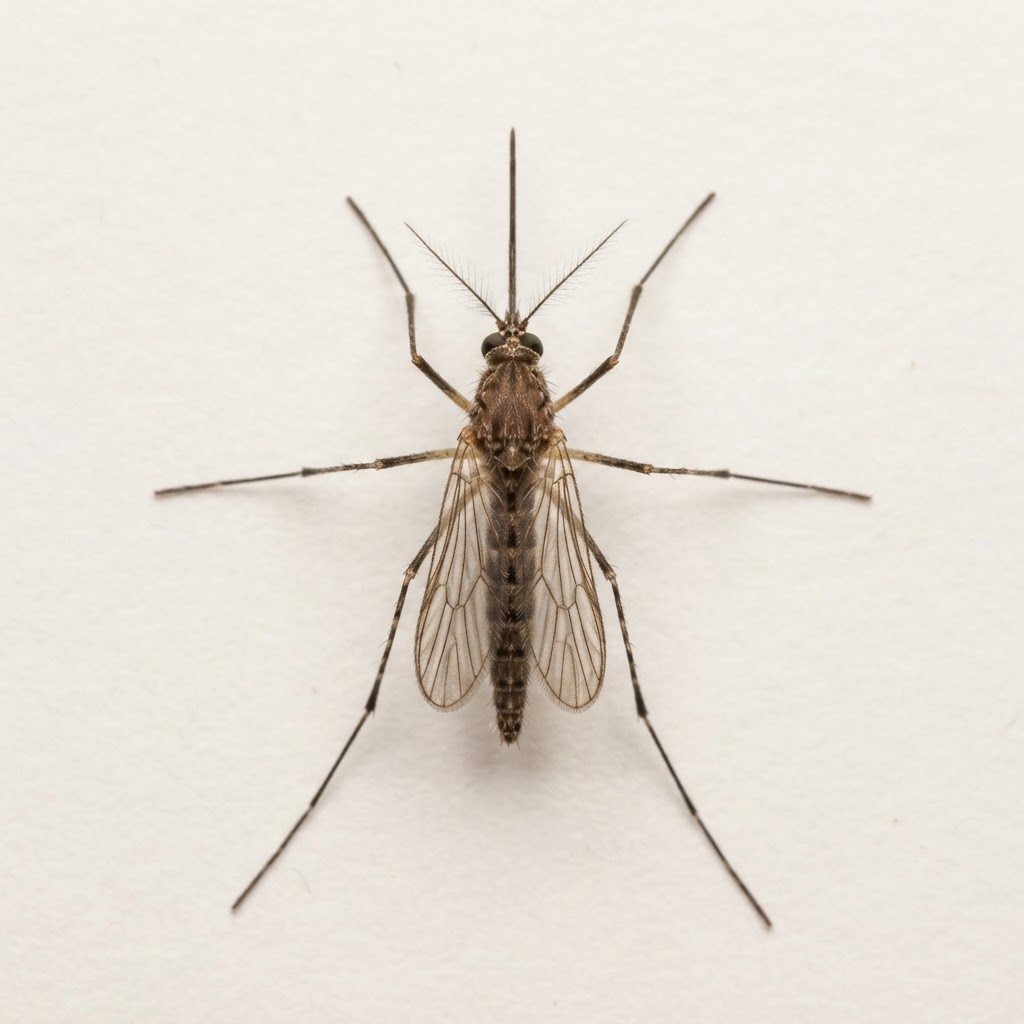 Mosquitoes
 Harvester Termites
 General Spray